







The report sets out a comprehensive overview of the district’s natural environment, highlighting the progress being made in supporting wildlife and nature recovery.
It outlines how the council is actively prioritising biodiversity through its policies, partnerships, and land management.
Councillor Mike Giles, cabinet member for climate action and nature recovery, said: “The council included nature recovery as one of its key priorities in its council plan and achieves much through partnership work with lots of wonderful local organisations and communities who share this goal.
“And to that end we are delighted to announce that we are launching our new Climate Action Fund later this year for projects which support climate action and nature recovery.
“This will add to our existing funding to help biodiversity in the district.”
The report identifies sites of ecological importance across the district.
These include four special areas of conservation – Aston Rowant, Chilterns Beechwoods, Hartslock Wood, and Little Wittenham – along with 38 sites of special scientific interest (SSSIs) covering 1,550 hectares, a national nature reserve at Aston Rowant, and four local nature reserves.
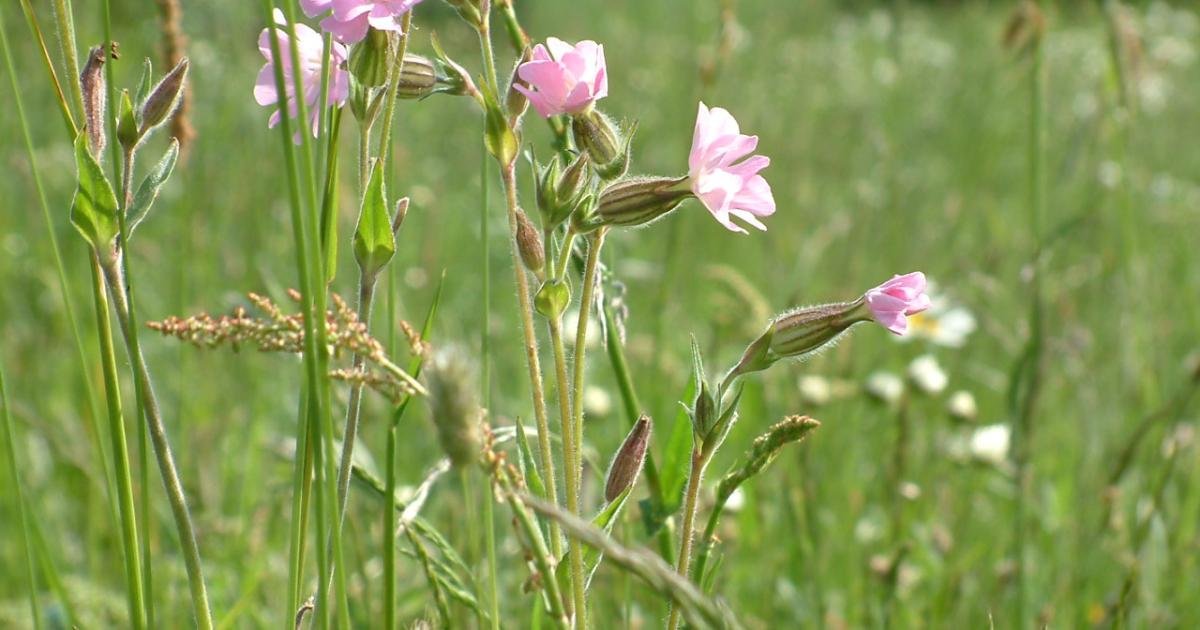
The reserve at Aston Rowant is known for its ‘flower-rich chalk grassland, beech woodland and juniper scrub.’ The local nature reserves are at Cuttle Brook, Ewelme Watercress Beds, Mowbray Fields, and Watlington Chalk Pits.
More than 40 per cent of the council’s land is now managed specifically for nature.
A total of £85,624 has been awarded to 13 projects so far through the council’s biodiversity grant scheme, which is funded by developer contributions through the Community Infrastructure Levy and overseen by the Trust for Oxfordshire’s Environment.
Councillor Giles said: “I am delighted to endorse this new report on the district’s nature and what the council is doing to help restore it.
“South Oxfordshire is favoured with a rich variety of wildlife but that means that those of us living here have a responsibility to ensure the best outcome for all this natural wealth.”
The council also collaborates with several partners to support its biodiversity objectives, including the Local Nature Partnership, National Landscapes, Thames Valley Environmental Records Centre (TVERC), and the Local Wildlife Sites Project.
The biodiversity report is a statutory requirement under the Environment Act 2021, which obliges all authorities to demonstrate how they are meeting their biodiversity duty over a five-year period.
This includes action taken and future plans to conserve and enhance the natural environment.
South Oxfordshire District Council’s full report, which provides further details on current and planned actions to support nature, is now available to the public.