







The escalating legal conflict within the upper echelons of Tata Sons, India’s most influential conglomerate, represents a defining moment for corporate governance in the nation. The Sir Dorabji Tata Trust (SDTT) and the R D Tata Trust (RDTT) have approached the Bombay High Court to challenge the validity of board resolutions and, crucially, the use of a casting vote by the chairman. This dispute is not merely a procedural disagreement; it touches upon the foundational interpretation of Articles of Association that govern how control is exercised within the Tata Group’s holding company.
Governance Mechanisms and the Casting Vote Controversy
At the core of the judicial struggle is the interpretation of Tata Sons’ Articles of Association, specifically Articles 118 and 121. The Trusts, which collectively hold significant equity, maintain that Article 121 grants them a specific form of affirmative voting power. Their legal position is that when the Trust-nominated directors are divided on critical resolutions—effectively a 1-1 split—a casting vote by the chairperson cannot be used to bypass the necessity for consensus among the Trusts’ nominees.
The Trusts argue that the chairman’s casting vote is an emergency mechanism intended for broader board deadlocks, not a tool to nullify the specific affirmative rights granted to the Trusts. If the court rules in favor of the Trusts, it could fundamentally shift the balance of power back toward the charitable entities that hold the majority stake in the conglomerate. Conversely, if the court upholds the current interpretation used by the board, it reinforces the authority of the executive leadership to drive decisions forward even when internal factions are at odds.
The Procedural Challenge to Chairmanship
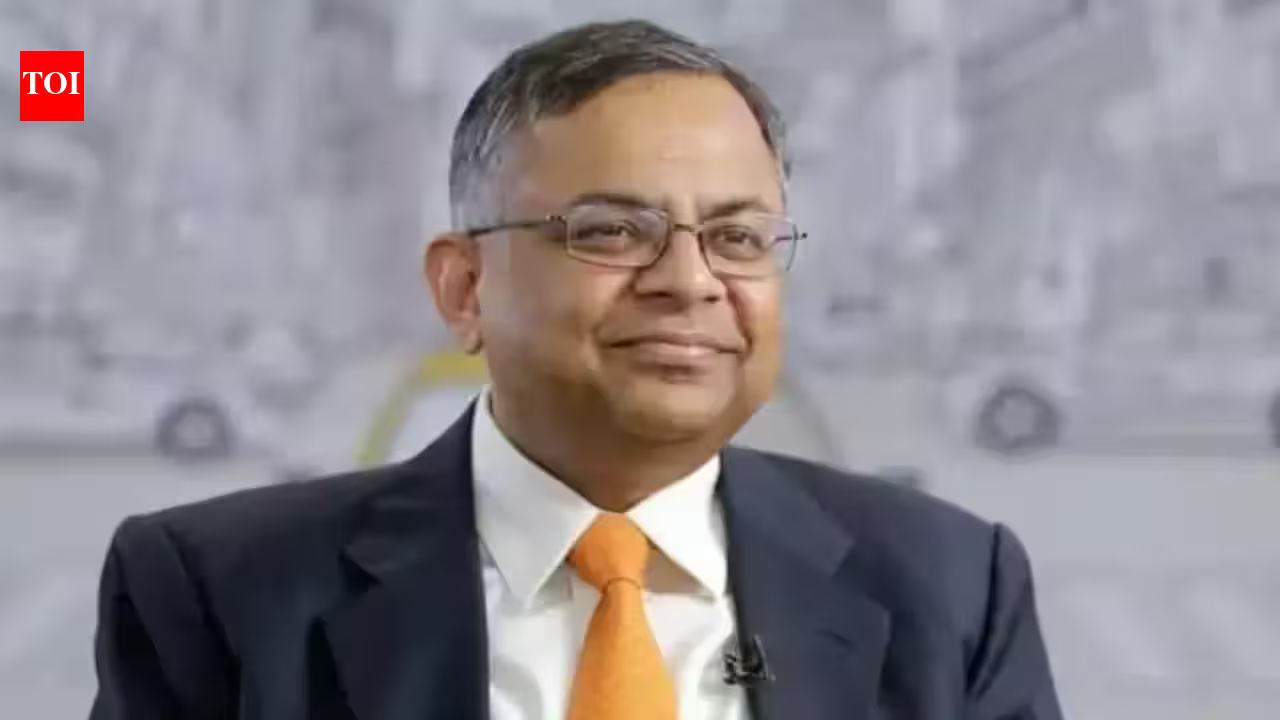
The legal petition filed by the Trusts explicitly challenges the reappointment of N. Chandrasekaran as chairman. The plaintiffs argue that the selection process bypassed the mandates set out in Article 118, which prescribes specific protocols for appointing the head of the organization. By seeking a declaration that the September 17 board resolution concerning his reappointment is invalid, the Trusts are essentially questioning the legitimacy of the current executive trajectory.
This contention brings into focus the tension between professional management and legacy oversight. In many Indian conglomerates, the line between board-led strategic direction and promoter-trust oversight is often blurred. When this tension reaches a legal tipping point, it creates a period of uncertainty that can affect market sentiment and investor confidence in the group’s listed entities. The request for Rs 65 crore in damages further signals the gravity with which the Trusts view these perceived procedural deviations, suggesting that they are prepared to treat the board’s actions not just as internal policy errors, but as actionable corporate misconduct.
Impact on Strategic Initiatives
The timing of this litigation is particularly significant, as Tata Sons faces several major strategic decisions, including the potential conversion into a public company and a long-anticipated IPO. The Trusts fear that the casting vote, if left unchallenged, will be used to expedite these structural changes despite internal opposition. Specifically, there is a clear divide regarding the future capital structure of the firm, with some stakeholders favoring a public listing and others advocating for alternative mergers or consolidation strategies to maintain the current ownership dynamics.
Should the Bombay High Court issue a restrictive order, the management’s ability to pivot toward these capital market strategies could be severely curtailed. For the broader Indian market, this case serves as a high-profile case study in the necessity of clear, unambiguous governance frameworks. It highlights the vulnerability of large, complex organizations when Articles of Association become subject to divergent legal interpretations.
Market Insights and Corporate Governance in India
The Tata Sons governance battle reflects broader themes within Indian corporate law, where the Companies Act, 2013, has increasingly emphasized the independence of boards and the transparency of decision-making. However, the unique structure of many Indian conglomerates—where trusts, families, and professional managers co-exist—often leads to complex litigation when the interests of these groups diverge.
Investors in the Tata ecosystem typically prize the stability and ethical standards associated with the brand. A protracted courtroom battle, involving accusations of invalid board resolutions and claims for damages against directors, introduces a variable of instability. Analysts will be monitoring whether this discord remains contained within the boardroom or whether it begins to impact the operational cohesion of the underlying subsidiary companies. The court’s eventual verdict will likely set a significant precedent for how affirmative voting rights and the role of casting votes are interpreted in companies where trust-based shareholding models are prevalent.
Future Outlook for the Conglomerate
As the litigation proceeds, the Tata Sons board faces a difficult path toward reconciling its strategic vision with the interests of its major shareholders. The inclusion of Noel Tata and other key family members in these deliberations adds a layer of complexity to the internal dynamics. The outcome of the scheduled board meetings and the subsequent high court hearings will determine whether the conglomerate continues its current path of professionalized, growth-oriented governance or reverts to a model characterized by stricter, trust-imposed constraints.
For the Indian business landscape, this is more than a dispute between specific individuals or entities. It is a fundamental stress test for how India’s largest conglomerates balance the rights of institutional promoters with the authority of the executive board. Regardless of the legal outcome, the situation underscores a shift in corporate India, where governance processes are increasingly subject to rigorous, public, and legal scrutiny. Companies that maintain vague or conflicting internal bylaws are likely to face similar challenges in an era where shareholders are increasingly assertive in protecting their oversight rights. Stakeholders should anticipate heightened volatility and a prolonged period of governance-focused maneuvering as the parties attempt to resolve these fundamental disagreements regarding the future of the organization.
Disclaimer: This content is auto-generated for informational purposes only.
Source: Read Original News