








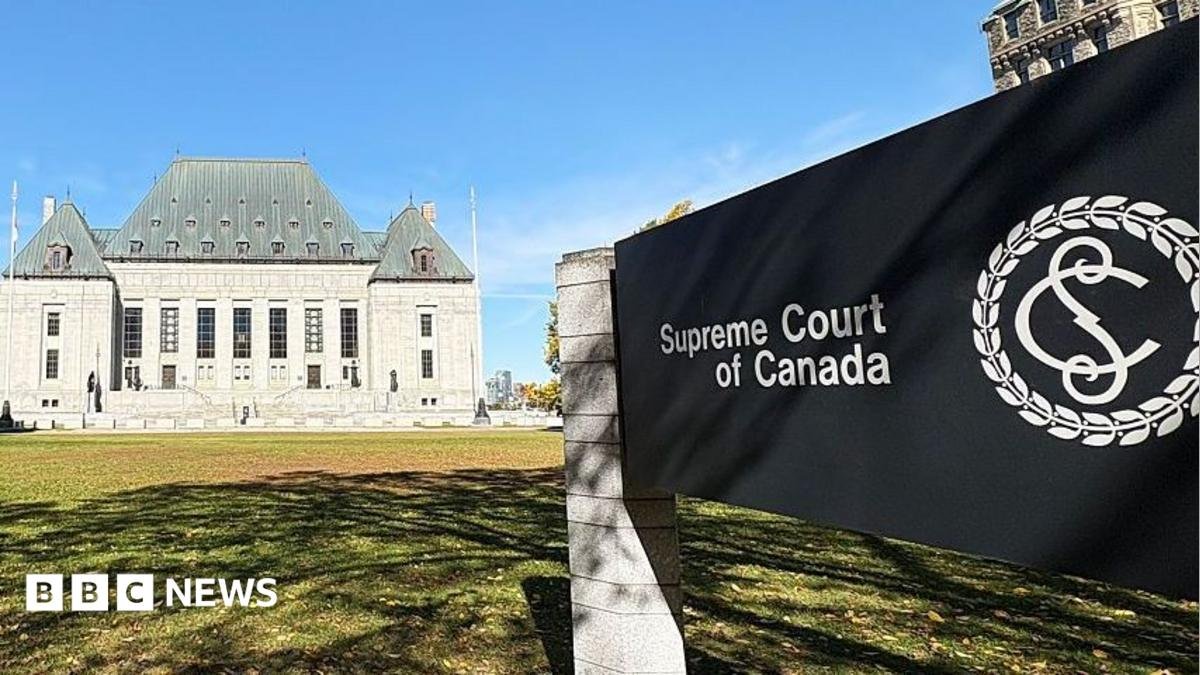
OTTAWA — In a landmark ruling that has sent shockwaves across the Canadian political and legal landscape, the Supreme Court of Canada has largely upheld Quebec’s controversial Bill 21, a law that prohibits public sector workers from wearing religious symbols such as hijabs, turbans, and crucifixes while on duty.
The decision brings a decisive, if deeply divisive, end to years of intense litigation. Enacted by the Quebec legislature in 2019, Bill 21 faced fierce opposition from a coalition of civil rights groups and affected individuals, including Muslim, Sikh, and Catholic teachers who argued the mandate fundamentally infringed upon their Charter-protected rights to freedom of religion and expression.
The Court’s validation of the law hinges on the “notwithstanding clause,” a constitutional provision that permits provincial governments to temporarily bypass certain sections of the Canadian Charter of Rights and Freedoms. By invoking this clause, the Quebec government shielded the legislation from judicial review regarding religious freedoms.
While the Supreme Court confirmed the validity of the bill in its broadest application, it did carve out a significant exception. The justices ruled that the law unfairly infringes on democratic rights by prohibiting elected officials from wearing religious face coverings. Furthermore, the Court established a critical legal precedent, affirming that Canadian courts possess the inherent authority to assess whether any law is consistent with the Charter, even when the notwithstanding clause is invoked—though they stopped short of exercising that power to strike down Bill 21.
The ruling has sparked immediate national debate. Prime Minister Mark Carney told the CBC that his government would carefully study the complex implications of the judgment. “It is important for all legislatures to respect the rights and liberties of all Canadians, including those in the minority,” Carney remarked, signaling a cautious approach as the federal government navigates the fallout.
The decision was not unanimous, revealing a deepening fracture within the judiciary itself. Three dissenting justices—Andromache Karakatsanis, Michelle O’Bonsawin, and Nicholas Kasirer—offered a blistering critique of the majority’s restraint. In their written dissent, they argued that the notwithstanding clause “cannot be used to authorize laws that are incompatible with the fundamental character of Canada as a free and democratic country.” They maintained that the law violates the core guarantees of equality and freedom of expression, warning that the unchecked use of the clause threatens the very framework of Canadian democracy.
For proponents of the law, the ruling is a victory for secularism and provincial sovereignty. For its detractors, the decision represents a painful erosion of minority rights. As the dust settles, the ruling is expected to trigger a broader national conversation about the scope of the notwithstanding clause and whether Canada’s constitutional balance between provincial autonomy and individual rights remains sustainable in a diverse society.
Disclaimer: This content is auto-generated for informational purposes only.
Source: Read Original News