









Pakistan-Linked Network Behind Massive Misinformation Campaign Targeting India
A sophisticated digital influence operation, reportedly orchestrated by entities linked to Pakistan, has been identified as the source of a widespread misinformation campaign targeting India. Analysis of activity between September and November revealed that a network of coordinated social media accounts disseminated 28 distinct pieces of false content, successfully reaching an audience of over 2.8 million people. The campaign utilized a volatile mix of deepfake technology, doctored footage, and fabricated reports to stir civil unrest and undermine faith in India’s security apparatus.
Weaponizing Deepfakes Against Security Leadership
The operation specifically focused on discrediting India’s top military and national security leadership. High-profile officials, including former Chief of Defence Staff General Anil Chauhan, National Security Advisor Ajit Doval, and Army Chief General Dhiraj Seth, were primary targets.
In one instance, a deepfake video depicted General Chauhan purportedly admitting that Pakistan had surpassed India in various military domains. Similarly, altered footage of a 2019 speech by Ajit Doval was circulated to make it appear as though he was disparaging foreign political figures. The Indian Army’s official ‘MythBusters’ account and the Press Information Bureau (PIB) had to intervene repeatedly to debunk these claims, confirming that the digital alterations were part of a systematic attempt to sow doubt regarding the capability and integrity of the Indian Armed Forces.
Inflammatory Narratives and Fabricated Communal Tensions
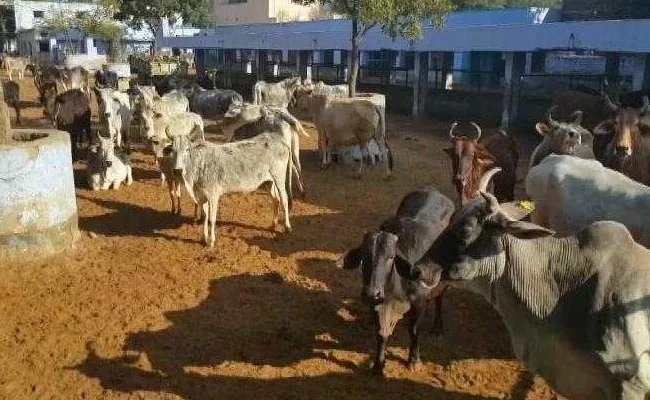
Beyond the security sector, the campaign aggressively targeted India’s internal social fabric. By manufacturing fictitious news regarding inter-community relations—such as false claims of mosque destructions in Ghaziabad or violent incidents involving places of worship in West Bengal—the network sought to trigger emotional and potentially violent reactions.
These fabrications often included detailed, fake statistics to lend an air of legitimacy to the claims. The network operated under the guise of local Indian accounts, frequently adopting Hindu names and regional branding to disguise their origins. Experts noted that these accounts would pivot rapidly between sensitive topics—shifting from regional disputes in Jammu and Kashmir to religious issues in the heartland—a pattern that signaled a centralized, rather than organic, effort to fragment Indian society.
Exploiting the Kashmir Conflict
The state of Jammu and Kashmir remained a core focus of the disinformation efforts. Following the November 11 attack on CRPF personnel in Kulgam, the network launched a “false flag” narrative, using doctored news reports and manipulated videos of retired military personnel to falsely claim that the attack was staged by Indian authorities. By framing legitimate terrorist strikes as internal operations, the perpetrators aimed to deflect accountability from extremist groups and erode public trust in the Indian state.
Defensive Countermeasures
The campaign highlights the evolving threat of cross-border information warfare, where historical footage is repurposed with modern timestamps to create an illusion of current instability. In response, Indian authorities have intensified their monitoring and fact-checking operations.
Security agencies have emphasized that the public must exercise extreme caution. They recommend rigorous verification processes, such as performing reverse image searches and analyzing the historical consistency of social media accounts before accepting viral content as truth. As the digital landscape becomes increasingly susceptible to AI-generated manipulation, the swift, coordinated refutation of such material remains the primary defense in protecting national harmony and security.
Disclaimer: This content is auto-generated for informational purposes only.
Source: Read Original News