








The Evolution of Player Agency through Cinematic Autonomy
Grand Theft Auto 6 represents a significant shift in how open-world titles balance high-octane action with moments of quiet reflection. While the core gameplay loop remains anchored in the intense, often stressful reality of two outlaws on the run, Rockstar Games has introduced a refined integration of the Cinematic Camera and automated navigation systems. These technical features allow players to surrender manual control during traversal, transforming the act of traveling across the sprawling state of Leonida from a chore into a curated narrative experience.
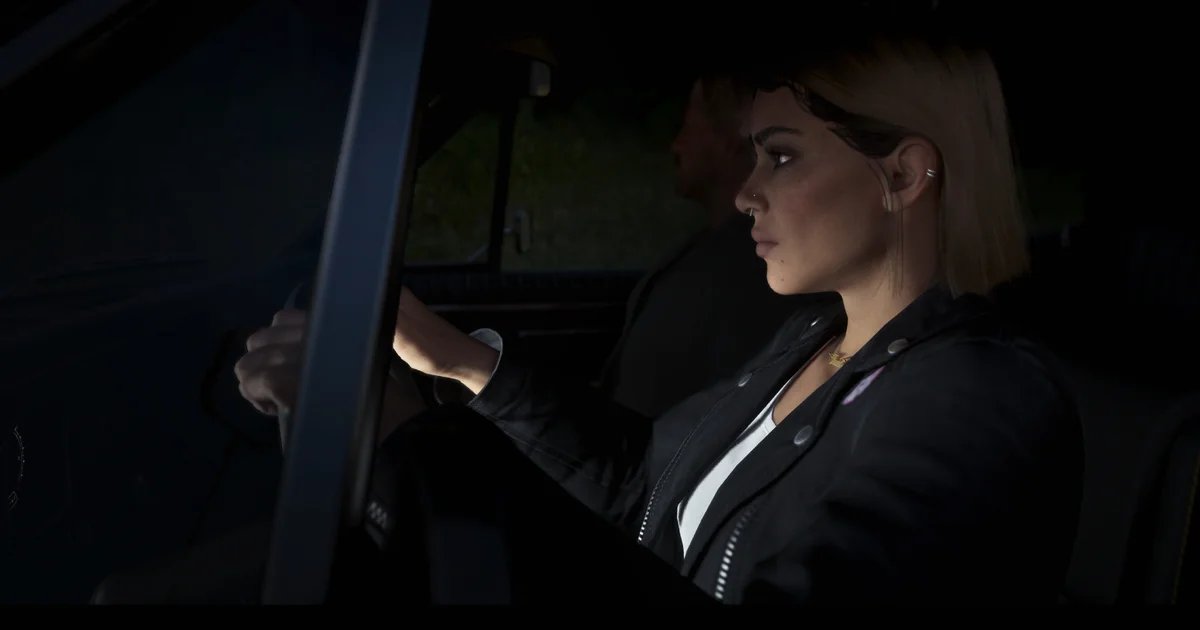
By utilizing the quick navigation menu—accessed by holding the ‘down’ button on the D-Pad—players can set specific destinations. Once the Cinematic Camera is toggled, the artificial intelligence takes over the steering of the protagonist’s vehicle. This design choice is not merely a quality-of-life improvement for reducing travel time; it is a fundamental shift in how the game delivers its story. By removing the pressure of navigating dense traffic and avoiding chaotic pedestrian behavior, the game enables a deeper focus on the dialogue and interactions between Jason and Lucia.
Technical Integration and User Accessibility
The implementation of the auto-drive feature is designed to be seamless, ensuring that players remain tethered to the world even when they are not actively inputting commands. The system is accessed through an intuitive interface that allows players to prioritize destinations without navigating complex, multi-layered menus. This accessibility ensures that players who might otherwise be focused on the mechanical demands of driving—such as cornering, avoiding collisions, or maintaining speed—can instead observe the environmental storytelling Rockstar has meticulously crafted.
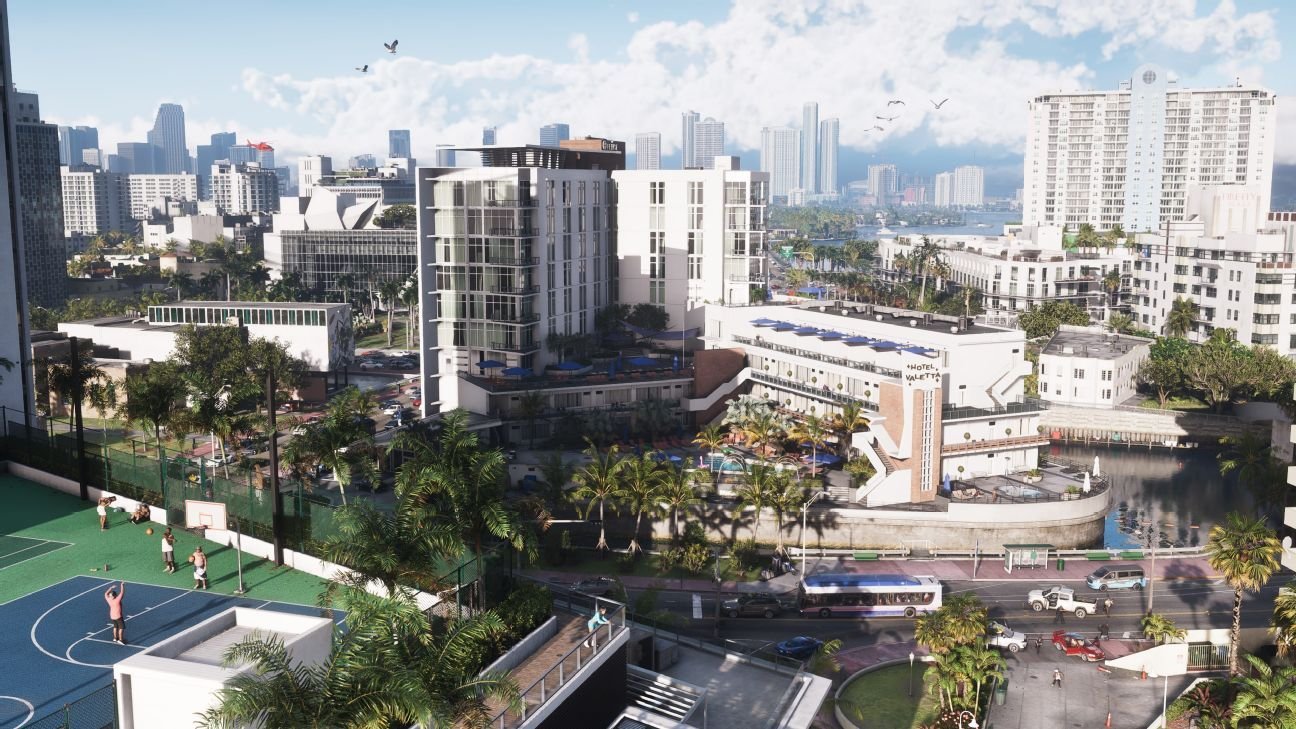
Furthermore, the game’s internal logic manages these transitions effectively. If a player is mid-mission or navigating through hostile territory, the system recognizes the situational requirements of the state of Leonida. When the environment is safe enough for transit, the Cinematic Camera provides wide, dynamic shots that emphasize the scale of the world, from the sunset-drenched highways of Vice City to the humid, atmospheric landscapes of the surrounding bayous. This transition between manual participation and passive observation mirrors the “ebb and flow” rhythm that defines the overall progression of the game.
Environmental Simulation and Narrative Depth
The success of these cinematic moments relies heavily on the technical fidelity of Leonida. The engine processes high-density environments where light, sound, and animation are synchronized to create a sense of presence. When the player chooses to let the characters drive themselves, the game engine prioritizes character-driven dialogue. These conversations, which often detail the history, fears, and internal dynamics of Jason and Lucia, would be easily lost if the player were required to focus entirely on the navigation of a busy intersection.
The audio experience, particularly through the varied radio stations like The Chamber 106.6, further cements this immersion. The synchronization of music with specific, character-defining moments—such as a quiet, reflective car ride at dusk—creates a personalized experience. Because the game allows for high levels of customization regarding the appearance of the protagonists and the performance tuning of vehicles, these automated segments feel proprietary to the individual player’s progress. The result is a simulation that feels less like a series of cutscenes and more like an organic extension of the gameplay itself.
The Balance of High-Stress Activity and Leisure
GTA 6 maintains a clear distinction between its high-stakes missions—such as pawn store robberies, street racing, and dirt-track events—and the necessary downtime required for character development. This contrast is essential to the game’s structure. Without the ability to “dial it up” during a heist and “cool it off” during a fifteen-minute drive across the map, the weight of the narrative would likely result in player fatigue.
The auto-drive system functions as a pressure valve, allowing the player to disengage from the mechanical complexity of the game to engage with the thematic depth of the story. By facilitating this transition, the developers have acknowledged that in a world as dense as Leonida, the act of “doing nothing” is just as significant as the act of “doing everything.” It allows the player to appreciate the lighting effects on a leather jacket, the ambient noise of a passing food truck, or the nuanced delivery of a character’s monologue, all while knowing that the game continues to run in the background, fully simulated and alive.
Impact on Modern Open-World Design
The move toward more player-managed agency in GTA 6 sets a precedent for how future open-world titles might handle traversal. Rather than relying solely on fast-travel systems, which can often break the immersion by teleporting the player away from the world, Rockstar has doubled down on the idea that the journey itself is the primary vessel for storytelling. By allowing the player to initiate and exit these automated sequences at will, the game respects the user’s desire for both control and cinematic immersion.
This approach demonstrates that complex, systemic games can provide moments of stillness without sacrificing the intensity of their core action. By granting the player the ability to choose when to be a driver and when to be a passenger in the lives of Jason and Lucia, the game creates a unique bond between the player and their chosen protagonists. This level of technical sophistication ensures that, even in a world defined by crime and high-speed chaos, the most memorable moments are often those found while simply watching the world pass by through a windshield.
Disclaimer: This content is auto-generated for informational purposes only.
Source: Read Original News