






Global Apparel Giants Shift Production to India Amid Bangladesh Manufacturing Crisis
New Delhi: The global textile landscape is witnessing a significant transformation as major international fashion brands, including H&M, Primark, and Uniqlo, turn their attention toward India. This strategic pivot comes as Bangladesh—the world’s second-largest garment exporter—struggles with persistent labor unrest and widespread manufacturing shutdowns that have disrupted global supply chains.
A Sector in Turmoil
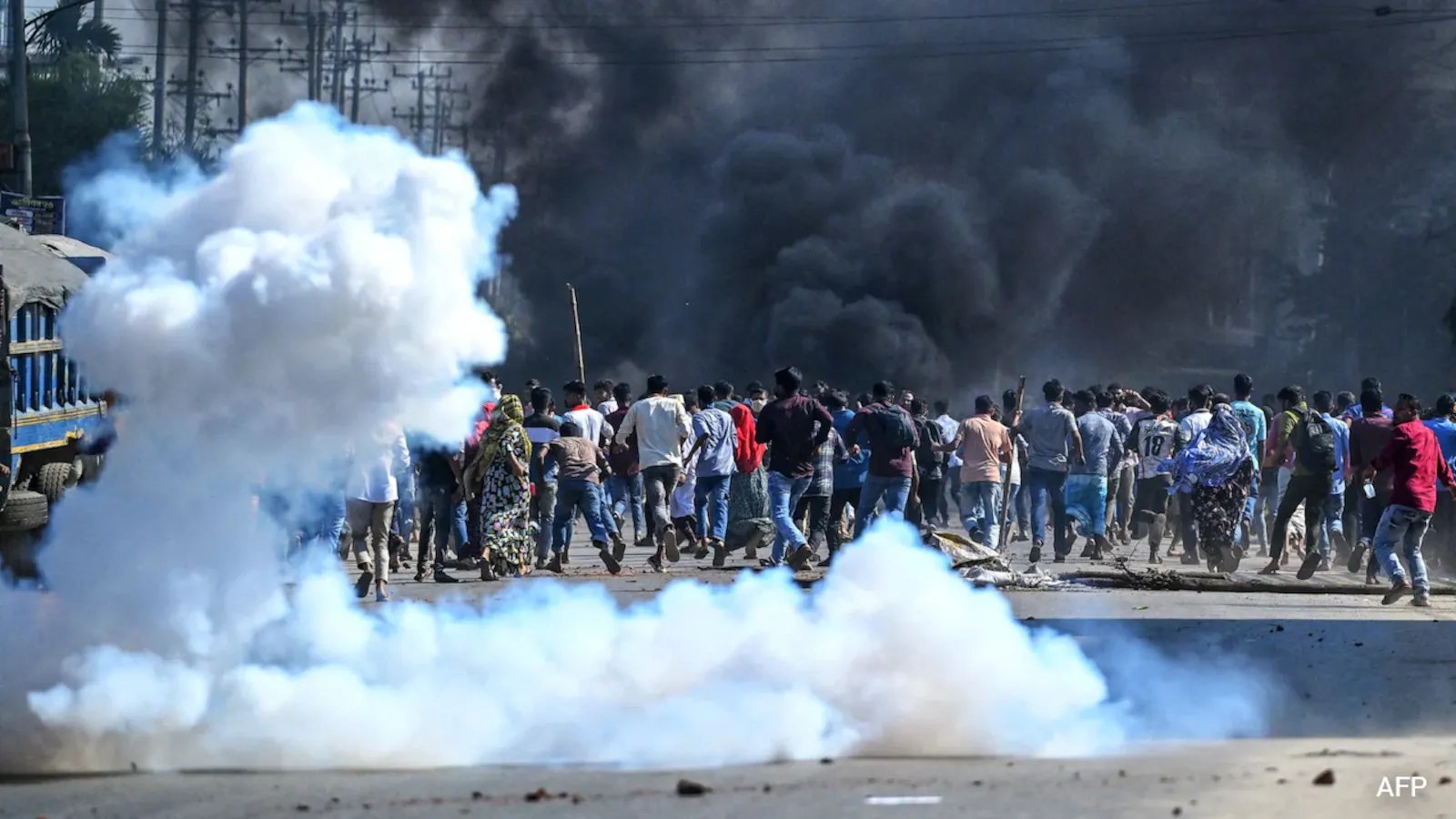
For weeks, Bangladesh’s Ready-Made Garment (RMG) sector, a cornerstone of the country’s economy accounting for nearly 10% of its GDP, has been plagued by protests. Workers are vehemently demanding higher wages to combat the rising cost of living. Despite the government’s recent move to increase the monthly minimum wage by 36%—raising it from TK 12,500 to TK 17,000—the unrest has not subsided. Many workers remain dissatisfied, citing that the hike falls far short of their demand for TK 30,000.
The result has been a logistical nightmare for global retailers. With numerous factories remaining shuttered, the delivery of seasonal clothing collections has faced significant delays, forcing brands to scramble for alternative manufacturing hubs to keep their shelves stocked.
The Shift Toward India
According to recent industry data, the impact of this instability is already hitting Bangladesh’s bottom line. Reports indicate that between November 1 and November 18, over $254 million in confirmed garment orders were diverted from Bangladesh to other manufacturing nations, with India emerging as the primary beneficiary.
The Bangladesh Garment Manufacturers and Exporters Association (BGMEA) has acknowledged the severity of the situation. Mahmud Hasan Khan, President of the BGMEA, admitted that India holds a distinct competitive edge in the current climate. “India is much ahead of us due to infrastructure reasons,” Khan noted. He highlighted India’s self-sufficiency in raw materials like cotton, its advanced machinery, superior port connectivity, and lack of labor-related disruptions as key factors driving this migration of orders.
Furthermore, India’s recent advancements in trade diplomacy, including a trade agreement with the European Union, have made it an increasingly attractive destination for brands looking to ensure long-term stability.
Conflicting Narratives
While the loss of hundreds of millions of dollars in orders suggests a cooling of foreign interest in Bangladesh, the Dhaka government has taken a combative stance. Political officials have dismissed reports of order diversions as a “coordinated campaign” designed to damage the nation’s economic reputation. They maintain that the government has addressed labor grievances in good faith and that the country remains a reliable partner for global commerce.
A Defining Moment for the Industry
The stakes remain high for Bangladesh, which earned over $38 billion in garment exports in 2024. As the nation faces stiff competition, the current instability threatens to erode its long-standing relationships with key markets, particularly the United States, the United Kingdom, and the European Union. As brands weigh the reliability of their supply chains against the risks of political and labor volatility, India appears perfectly positioned to capitalize on the shift, potentially solidifying its status as a premier global destination for textile manufacturing.
Disclaimer: This content is auto-generated for informational purposes only.
Source: Read Original News