








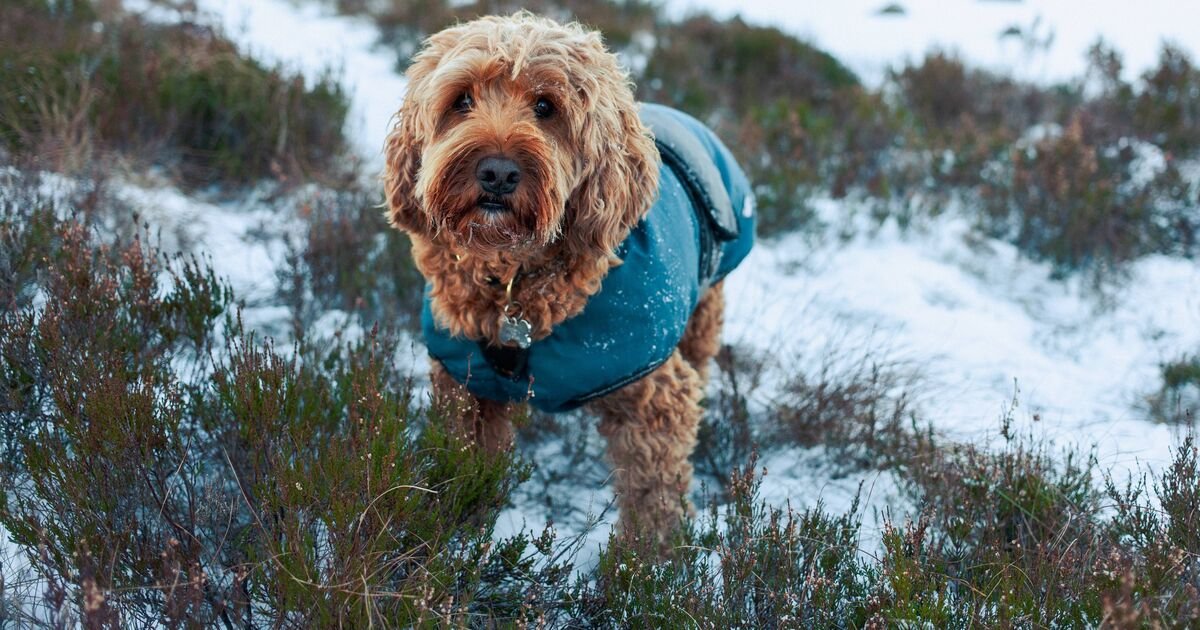
When the frost begins to settle on the grass and the morning air feels sharp against your skin, your daily routine with your four-legged companion might need a little adjustment. While some breeds seem to thrive in the crisp air, others find the plummeting temperatures much tougher to handle. Navigating winter with your pet is all about balance, common sense, and keeping a close eye on your furry friend to ensure their comfort is never compromised.
Knowing Your Dog’s Limits
Not every dog is built for the same weather. Much like humans, our pets have varying tolerances based on their size, coat thickness, and age. Veterinarians often suggest a simple rule of thumb: if you are reaching for your thickest winter coat, your dog might be feeling the chill too. Younger puppies, elderly dogs, and those with very thin coats, such as greyhounds or whippets, are at a higher risk when the mercury drops.
As a general guideline, temperatures above 15 degrees Celsius are usually perfectly comfortable for most dogs. As the temperature falls into the single digits, shorter-coated or smaller breeds may appreciate a bit of extra help from a well-fitted dog coat. Once temperatures approach the freezing mark or dip below, it is wise to limit outdoor time significantly. If the weather reaches extreme lows—into the negative digits—it is safest to keep walks restricted to brief intervals for toilet breaks only, keeping your pet safely inside the warmth of your home.
The Essentials of Winter Comfort
If you want to keep your pet active during the colder months, a few practical items can make a world of difference. Investing in a quality coat that covers the chest and back is a great way to help your dog maintain body heat. For those who are particularly sensitive to the elements, dog boots can protect paws from ice, snow, and the harsh chemicals often found on salted pavements.
Visibility is another major concern during the darker months. With the sun setting so early, it is easy to become nearly invisible to drivers and cyclists. A reflective harness, a light-up collar, or a simple clip-on LED tag will ensure that you and your companion remain safe and seen during your evening strolls.
Safety Beyond the Temperature
Cold weather introduces hazards that aren’t just about the air temperature. Frozen ponds and lakes might look like a fun playground, but thin ice is incredibly deceptive and dangerous. Keep your dog on a lead near any frozen water sources to prevent them from venturing out onto surfaces that cannot hold their weight.
In heavy snowfall, it is also smart to keep your dog close on a lead. Deep snow often hides uneven terrain, sharp debris, or frozen puddles that could cause a nasty tumble for your pet. Staying on familiar, clear paths is always the better choice when the ground is covered in a thick blanket of white.
Post-Walk Care Routines
Once you make it back home, the care shouldn’t stop at the front door. Winter pavements are often covered in salt and grit, which can be incredibly irritating to sensitive paw pads. More importantly, these substances can be toxic if your dog licks them off their paws or fur.
Make it a habit to wipe down your dog’s paws, belly, and legs as soon as you step inside. This quick cleaning session clears away any harsh chemicals and helps you dry them off thoroughly, which is vital since a wet dog loses body heat much faster than a dry one.
Recognizing the Signs
Even with the best preparation, it is helpful to stay vigilant. Pay attention to how your dog behaves during a walk. If they are persistently shivering, acting unusually drowsy, or seem to be stumbling, these may be early signs that they have been out in the cold for too long. If you notice these symptoms, head indoors immediately and warm them up gradually with blankets. If they do not seem to recover quickly, reach out to your local vet for advice.
Winter walks can still be a wonderful way to bond with your pet. By keeping outings shorter, dressing for the weather, and staying alert to the changing conditions, you can ensure that your morning walks remain a fun, healthy part of your daily routine throughout the year.
Disclaimer: This content is auto-generated for informational purposes only.
Source: Read Original News