







“This means that refined product supply for domestic demand remains comfortable, and there are currently no indications that India will struggle to meet internal consumption requirements,” says Ritola.
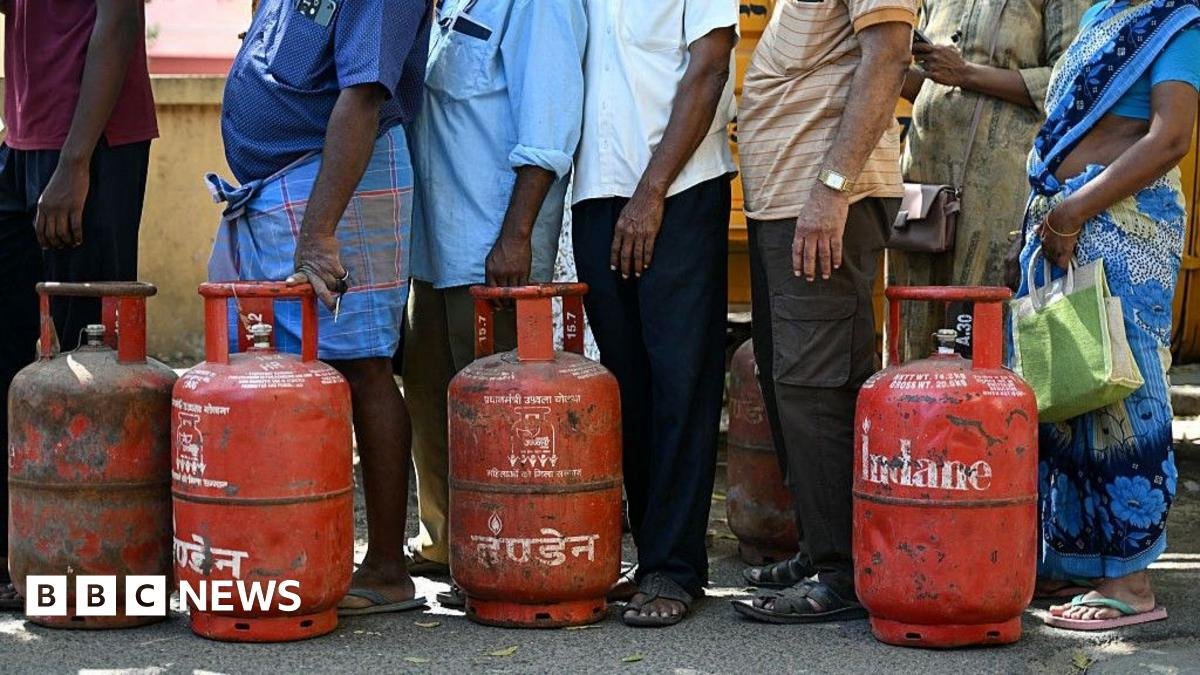
The real vulnerability is LPG, analysts say.
India consumes roughly one million barrels a day, but produces only 40-45% domestically, importing the rest – 80–90% of it through Hormuz.
Refineries can tweak operations to squeeze out a bit more LPG, but even a 10-20% boost would only lift domestic supply to about 47-50% of demand, leaving the country heavily reliant on imports, according to Ritola.
In short: “Crude supply risk can be partially mitigated through diversification and Russia flows. Refined product supply remains relatively comfortable. LPG availability is the real variable to monitor in the coming weeks.”
What may be intensifying the anxiety on the ground is not just tight supply but patchy deliveries – and the familiar spectre of hoarding.
Singh of the National Restaurant Association of India alleges opportunistic profiteering.
“Retailers are misusing the situation – black-marketing cylinders and selling them at a premium. In one small town, I heard of cylinders being hoarded and auctioned off.”
For now, India’s oil supplies may be cushioned by global trade flows. But in kitchens across the country, the more immediate question is simple: how to get the next cylinder.
Follow BBC News India on Instagram, external, YouTube,, external Twitter, external and Facebook, external.