






Pulkit Bhardwaj | Jaipur1 hour ago
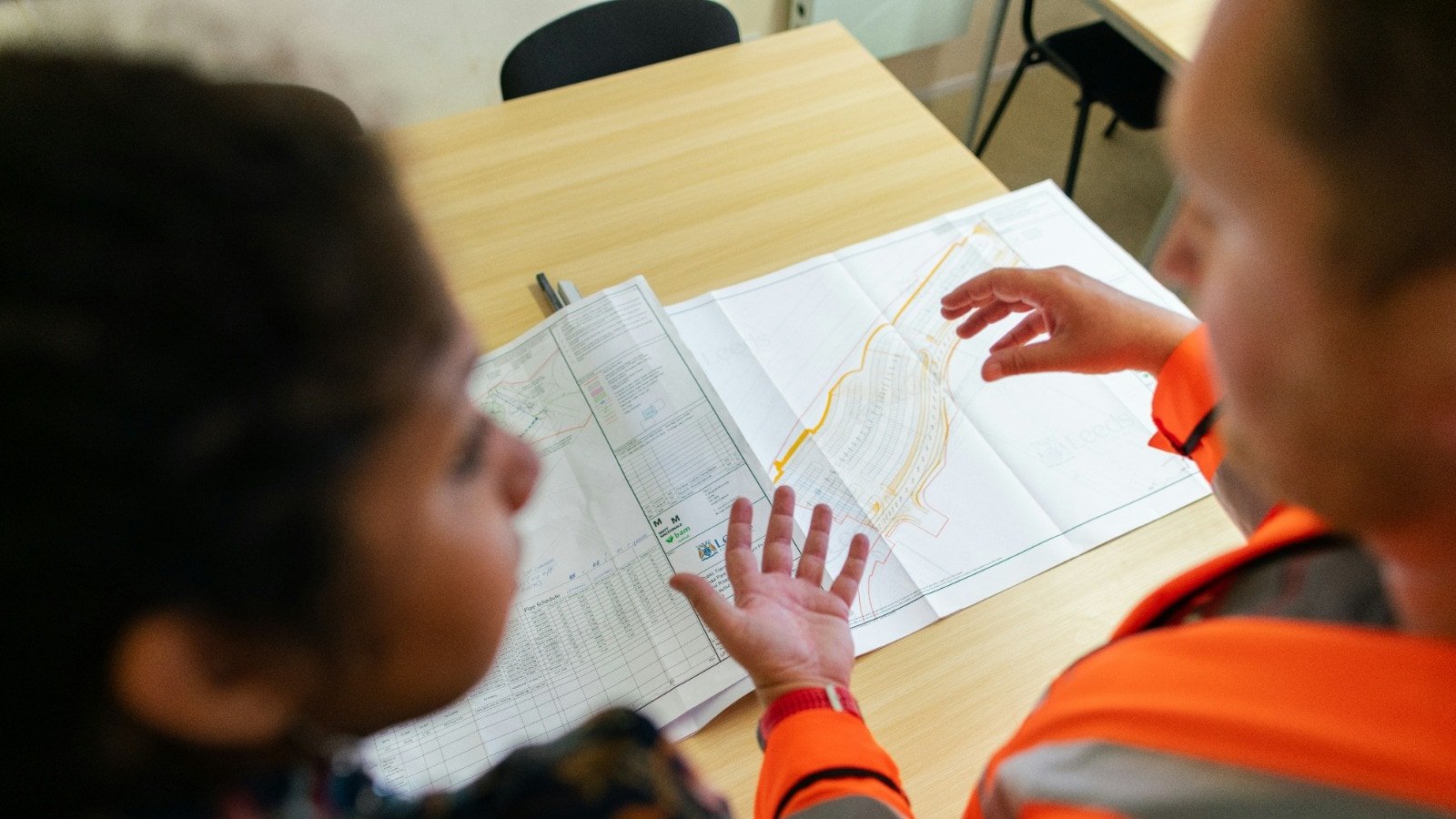
He was meant to measure the depth of dams. To build bridges. To draw the plans of rising buildings.
But then… he began measuring the depth of words.
He still builds bridges— only now, they connect readers with Hindi literature. The blueprints of buildings have given way to the quiet covers of books.
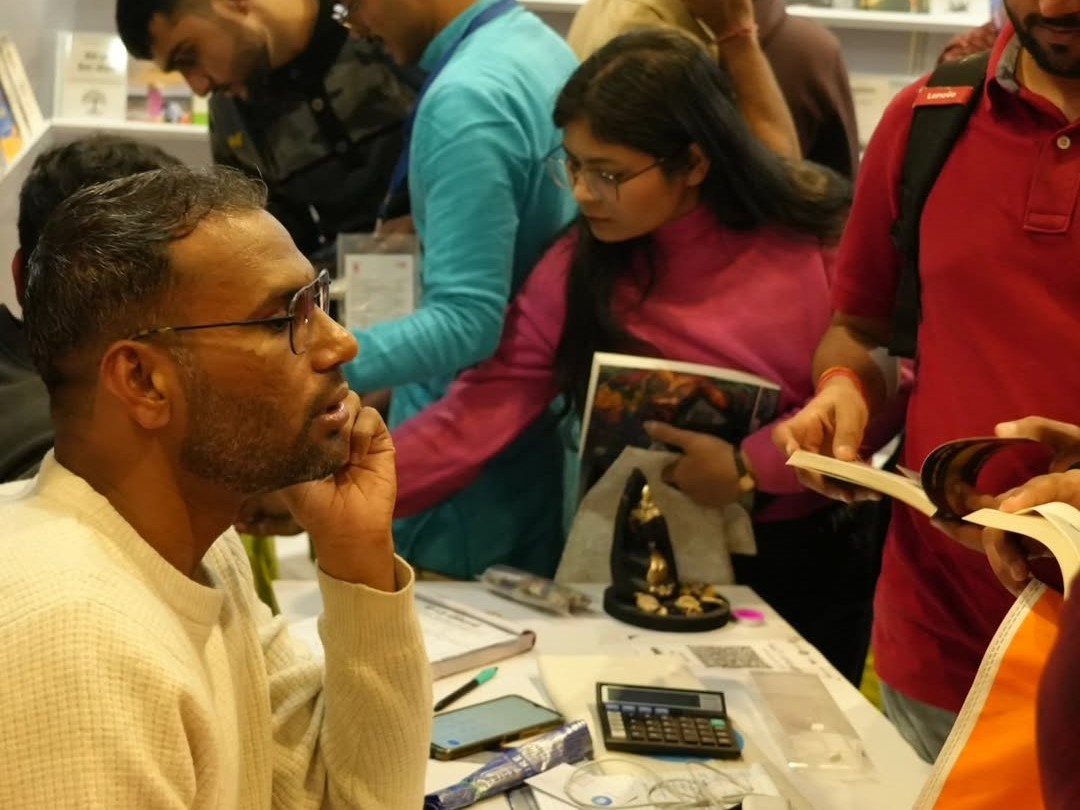
This is Deepak Shankar Jorwal— an IITian who chose to become a ‘bookman’.
This World Book Day, read Deepak’s journey from IIT to a publishing house— a path where even the UPSC once stood as a turning point…
Bhaskar: How did the literary journey begin from civil engineering?
Deepak: When I started, I didn’t have much interest in reading or writing. I did my B.Tech from IIT Kanpur. There, students mostly speak to each other in Hindi. Even South Indian students start speaking very good Hindi by the time they pass out.
However, as soon as they go on stage, most switch to English. There is nothing wrong with that, but it creates a negative impact — students from state boards or rural backgrounds start developing an inferiority complex that they won’t be able to express themselves on stage.
I was also in the same situation. I wasn’t comfortable in English. That’s when I started Hindi Panktiyaan on campus. I also began writing and reading books.
We don’t want to remain limited within literature. We want to become a bridge for those who don’t read but want to. We are building Hindi Panktiyaan in such a way that Hindi becomes a part of your lifestyle.
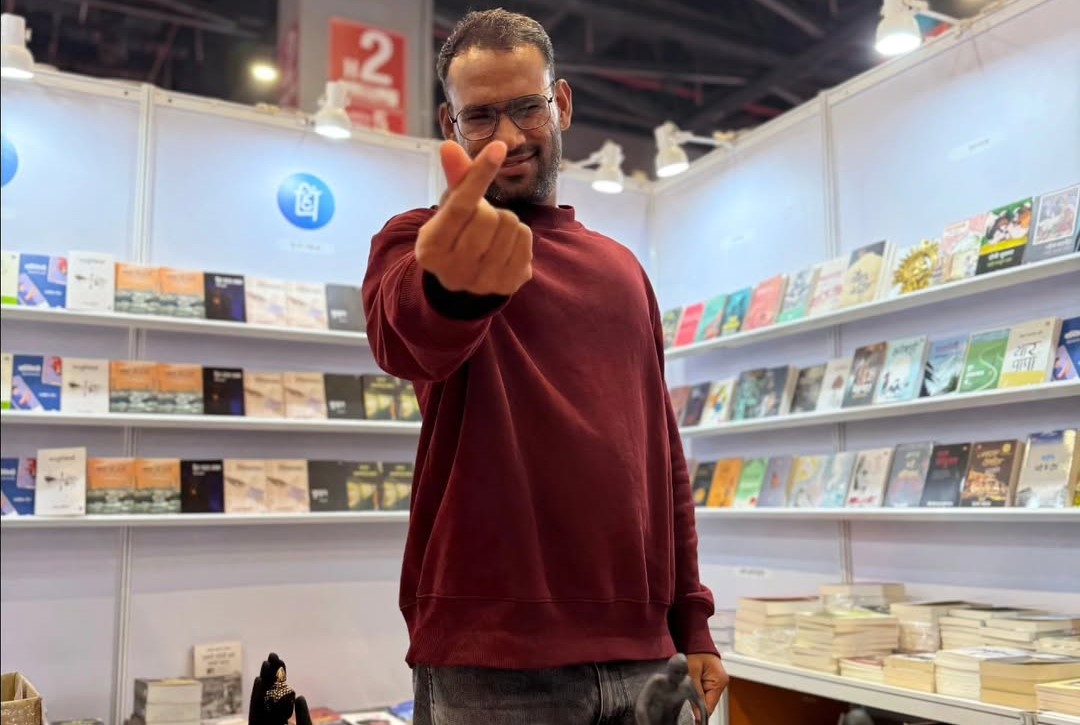
Deepak passed out from IIT in the year 2018.
Bhaskar: How easy or difficult was it to start the publication?
Deepak: It is challenging when you choose a path where no one has walked before. First, I had to convince my family. Being an IITian, expectations were very high.
Secondly, in my village, no one knew anything about entrepreneurship. I passed out in 2018. After that, I prepared for UPSC for one or two years. Then things aligned in such a way that I started the journey I actually wanted to pursue.
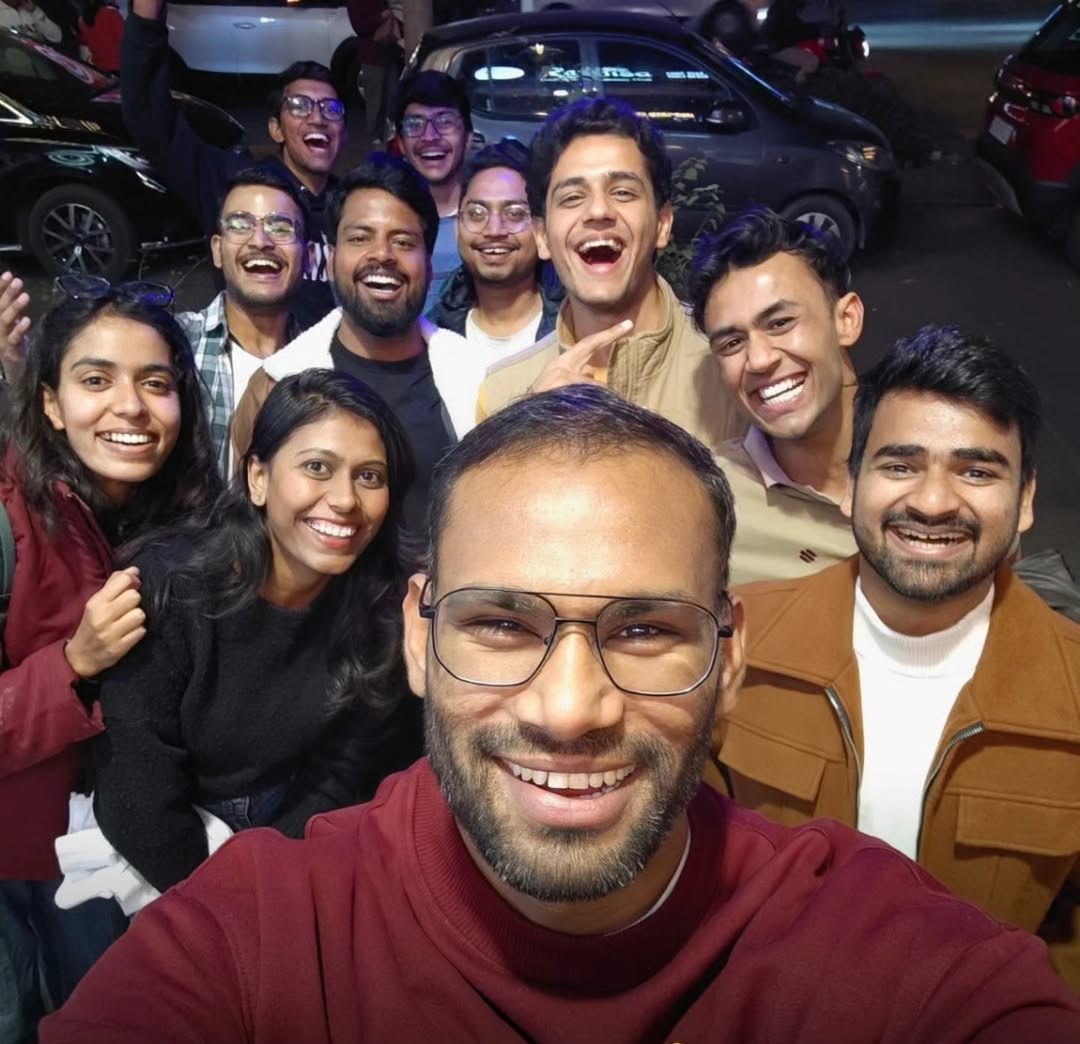
Deepak explains that 90 percent of the people in his publication are first-time authors.
Bhaskar: Tell us about your UPSC preparation?
Deepak: Since childhood, I wanted to do something of my own. But your family and environment shape you in a way that you begin to feel civil services is the best option — it offers power, respect, and a chance to bring change.
So, as long as I was in the village, it felt like the right path. I also went for preparation. I found UPSC preparation more interesting than IIT preparation initially because I was learning new things.
But during revision, I realised I was spending most of my time on things that weren’t teaching me anything new. That’s when I started losing interest.
There are ups and downs in every exam. You need a strong reason to stay motivated. For me, that reason was my parents. I was preparing mainly for them.
During that time, my parents passed away. In that low phase, I had nothing left to motivate me. That’s when I quit UPSC preparation.
Bhaskar: You said ‘Hindi Panktiyaan’ is a new path. What does that mean?
Deepak: When Hindi Panktiyaan started, people used to copy good English lines for captions. Today, even English-speaking people use Hindi quotes.
People who are not writers send us their lines, and we publish them. This gives them confidence that they are thinking something meaningful.
People are slowly moving away from the belief that careers can only be made in English. Around 90% of our writers are first-time authors.
We have sold thousands of copies of their books and given lakhs in royalties. This confidence was missing earlier, and old publishers were not able to provide it.
Bhaskar: There is a myth that Hindi writers face financial challenges. What is your view?
Deepak: This is a big myth. Those who spread it either lacked commitment or didn’t want to work hard.
Earlier, writing was done to spread awareness, not to earn money. So royalty was not a major concern. But even after independence, that model continued.
Many great writers spent their final years in poverty. For example, a writer like Vinod Kumar Shukla was once given just ₹7,000 annual royalty.
Later, when better publishing and marketing were done, the same work generated ₹30 lakh in a year. So the issue is not writing — it is the system.
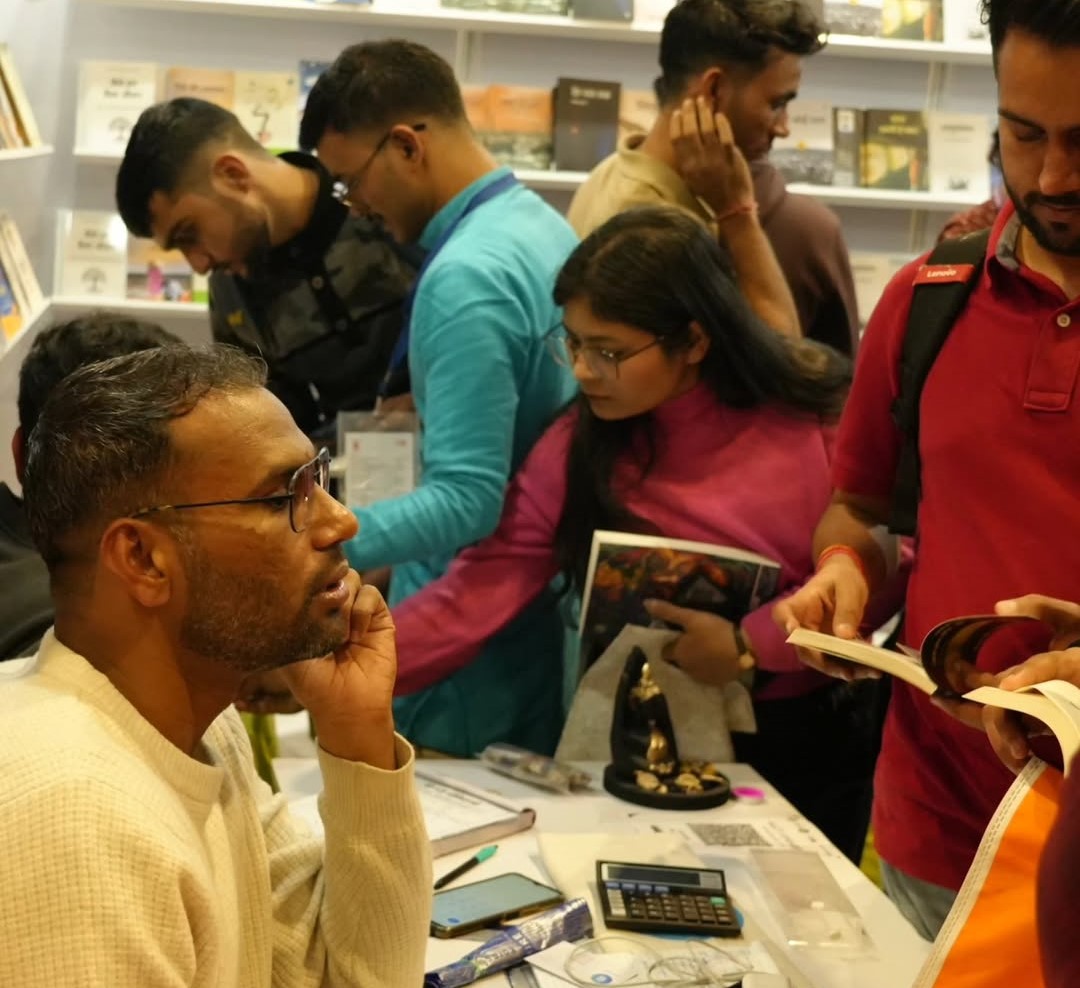
After the demise of his parents, Deepak gave up UPSC preparation.
Bhaskar: What is the main problem then?
Deepak: Old publishers treat it as a family business. The earlier generation was deeply involved, but the new generation often just applies old methods or imported marketing ideas.
As a result, new writers don’t get space. New publishers are doing better because they are giving opportunities to fresh voices.
If you write well and choose the right publisher, you can earn lakhs in royalties.
Bhaskar: How does a publisher judge a story or poem?
Deepak: We follow a simple approach — we read as readers.
We ask ourselves: Are we enjoying it? Are we connecting with the characters? Can we feel their emotions? Is the subject engaging?
If the answer is yes, we move ahead.
Bhaskar: What is currently being read in the market?
Deepak: There are two types of writing — slow and fast.
Slow writing focuses on depth and has a smaller audience. Fast writing focuses on relatability — whether readers can see themselves in the story.
Right now, relatability is more popular. But after reading more books, readers gradually start appreciating depth too.
Poetry is also being widely read, especially when it connects directly with people’s emotions.
Bhaskar: Which type of content works the most?
Deepak: Tragedy has always worked, and it still does. Love is also widely read. Even those who haven’t experienced it feel connected while reading.
But it’s not limited to these. Many new themes are also working.
For example, Sarkari Chai talks about the struggles of students preparing for smaller competitive exams. Their stories were not highlighted earlier, but people connected with them strongly.
Bhaskar: Are new formats being explored in writing?
Deepak: Yes. For example, Lifafa is based on real love letters exchanged via emails — we turned that into a book.
We also avoid calling poetry ‘kavita’ and instead use ‘panktiyaan’ to give freedom from rigid rules.
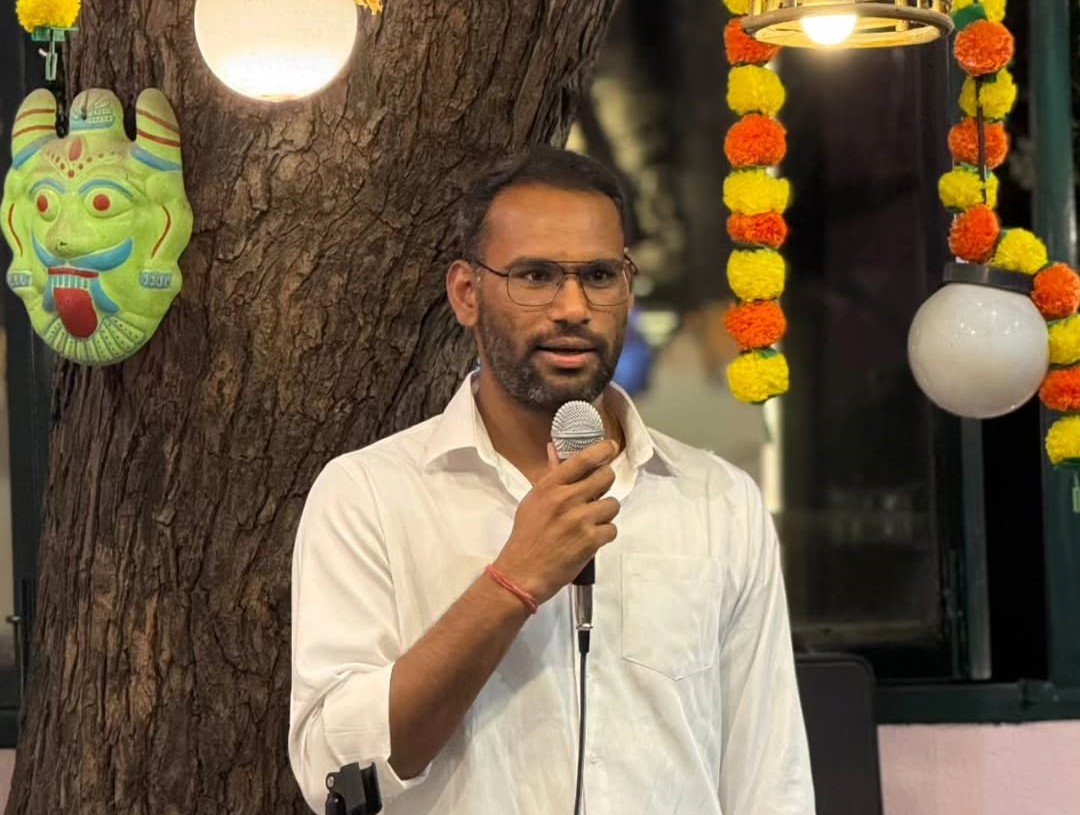
According to Deepak, only 20-25% of books out of 100 perform very well, the rest remain average.
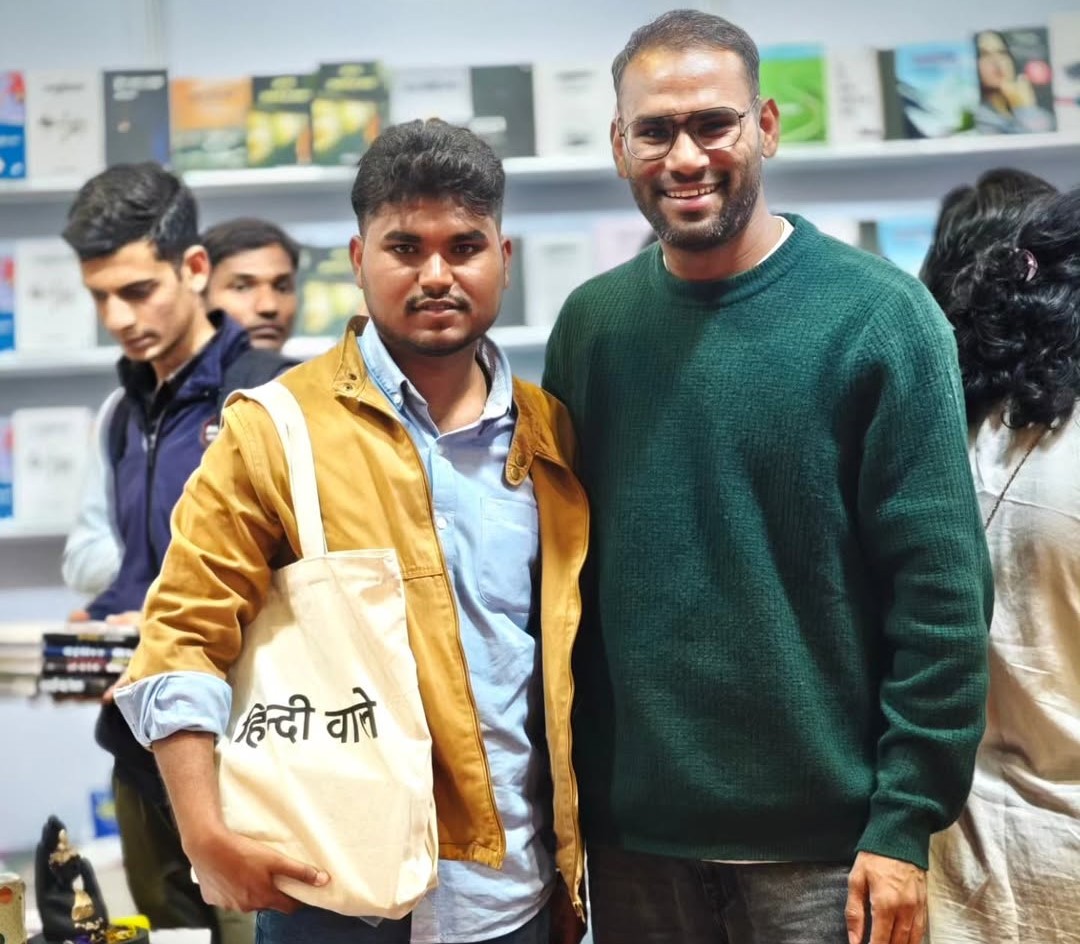
Deepak explained that to avoid piracy, one can buy original books directly from the publisher’s social media account or website.
Bhaskar: Are short formats becoming popular?
Deepak: Yes, short formats are trending, especially in poetry. But content is still the key. Without substance, no format will sustain.
Bhaskar: How big is the challenge of piracy?
Deepak: It’s a serious issue. Pirated books are cheaper, but neither the author nor the publisher earns from them.
Many people unknowingly buy pirated books online or from roadside sellers. The best way is to buy directly from publishers or trusted sources.
Bhaskar: What should writers keep in mind?
Deepak: Don’t write just to get published — that leads to average content.
Make sure the title and content match.
And most importantly, write what you have experienced or truly understood. Otherwise, it won’t feel real.