









Why small choices — especially about plastic — still matter
By Carrie Dunlea
Earth Day may have passed by the time this hits your doorstep, but its message shouldn’t be confined to a single date on the calendar. Since its launch in 1970, when millions of Americans rallied around environmental concerns, Earth Day has served as both a wake-up call and a benchmark for progress. More than five decades later, the urgency has only intensified — and so has the opportunity for everyday action.
If there’s a unifying thread running through today’s environmental challenges, it’s waste — particularly the kind we don’t think twice about. Single-use plastics, packaging, and everyday trash have become so embedded in modern life that their long-term impact can feel abstract. It isn’t.
Globally, an estimated two billion metric tons of municipal waste are generated each year, much of it ending up in landfills or the natural environment. That waste doesn’t just disappear. It breaks down, releases gases, leaches chemicals and, increasingly, finds its way into waterways and ecosystems that sustain both wildlife and human life.
Plastic is perhaps the most visible symbol of that problem. Designed for convenience, it lingers for centuries. As noted in earlier reporting and commentary, plastic can take more than 400 years to decompose, all while fragmenting into microplastics that infiltrate oceans, soil and even the food chain. The result is a slow accumulation that scientists and environmental advocates say is outpacing our ability to manage it.
The consequences extend beyond aesthetics or environmental ideals. Researchers are increasingly linking waste — particularly landfill byproducts — to broader climate concerns. Methane emissions from landfills, for example, are now believed to be significantly higher than previously estimated, contributing to a potent greenhouse effect that accelerates climate change. At the same time, chemicals used in everyday products can seep into the environment, raising concerns about long-term health impacts.
And yet, despite the scale of the issue, the solution isn’t solely in sweeping policy changes or technological breakthroughs. It’s also in the quieter, cumulative effect of individual behavior.
That idea isn’t new. It’s been a consistent theme of Earth Day since its inception — the belief that awareness can drive action. While global participation has grown into the hundreds of millions, the core message remains grounded in personal responsibility.
Small changes, when adopted widely, have measurable impact. Reducing food waste, for instance, addresses a problem that sees roughly 40 percent of edible food in the United States discarded each year. Adjusting household energy use — from switching to LED lighting to modest thermostat changes — can significantly cut emissions over time. Even simple decisions like buying secondhand goods or choosing locally sourced products can reduce the environmental footprint tied to manufacturing and transportation.
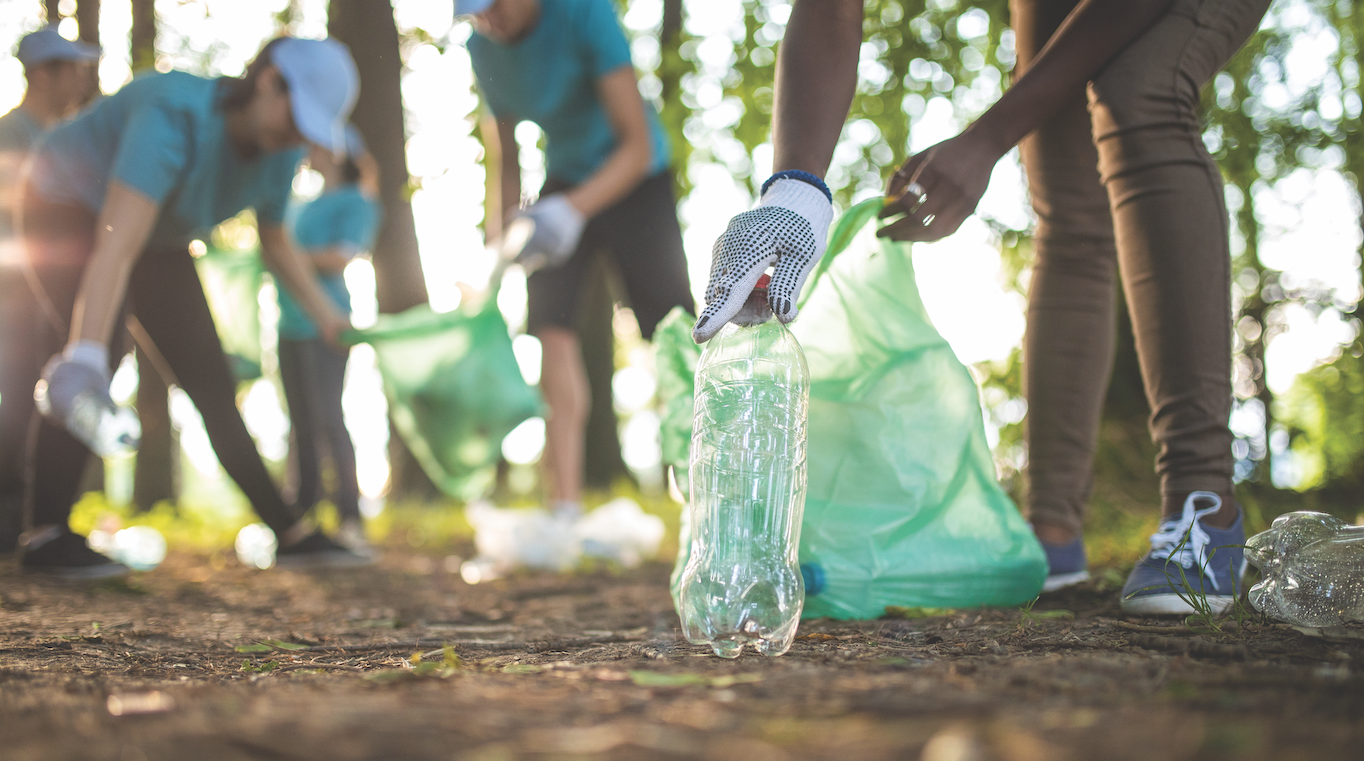
But plastic remains a particularly stubborn challenge, in part because it’s so pervasive. Grocery bags, water bottles, takeout containers — they’re easy to use and easier to discard. Recycling, while helpful, has not kept pace. In the United States, only a small percentage of plastic is actually recycled, leaving the majority to accumulate in landfills or the environment.
That reality underscores a shift in thinking: recycling alone isn’t enough. Reducing consumption — especially of single-use items — has become a more effective strategy. Reusable bags, refillable water bottles and conscious purchasing decisions may seem minor in isolation, but collectively they represent a meaningful shift away from a disposable culture.
There’s also a generational component to consider. The habits formed today — and the values passed along — will shape how future communities respond to environmental challenges. Teaching younger generations that stewardship isn’t a once-a-year concept, but a daily practice may be one of the most lasting impacts of Earth Day.
Enjoying this column? Let us know. Support your local community newspaper; subscribe to The Farmersville Times.