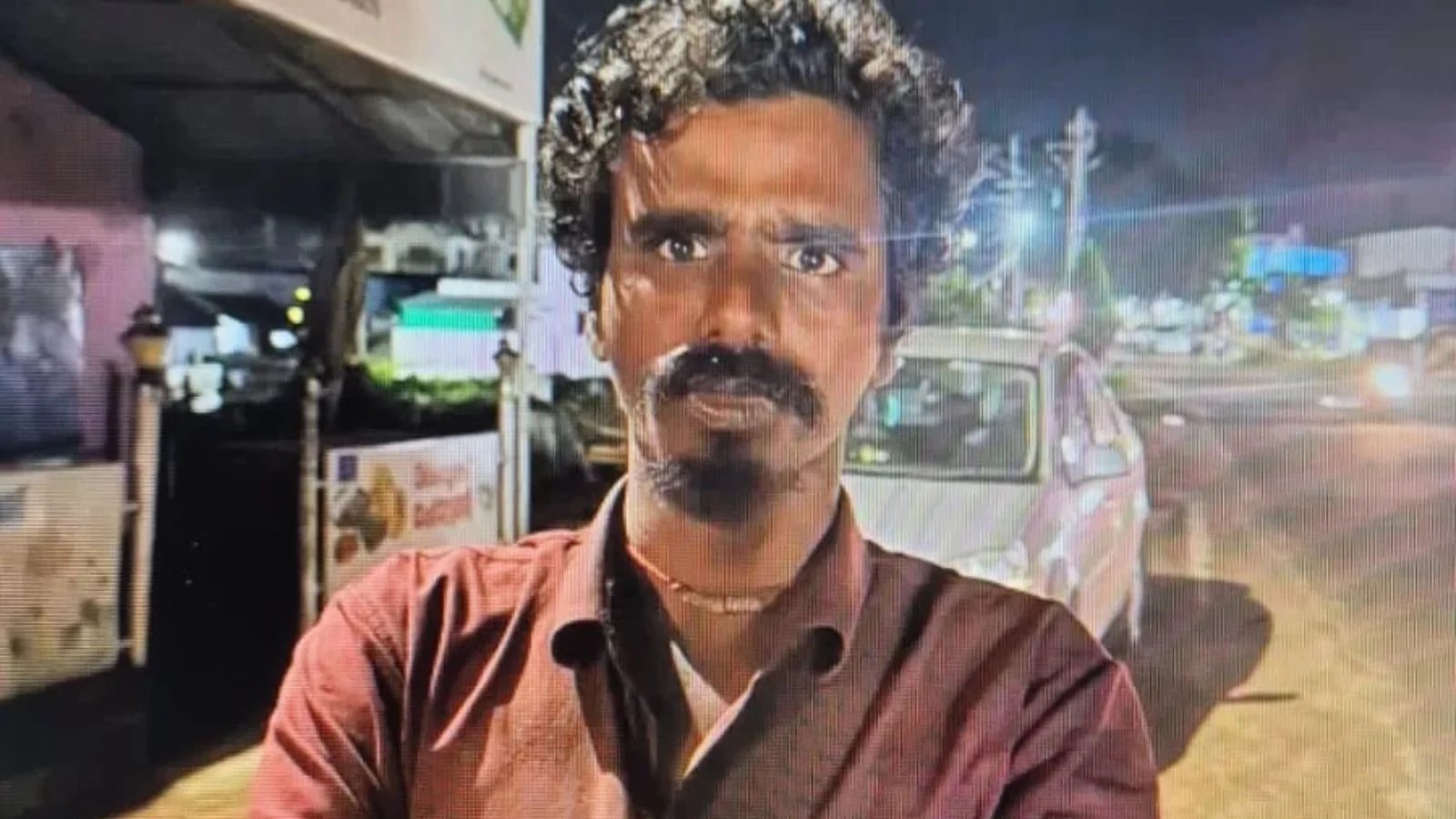






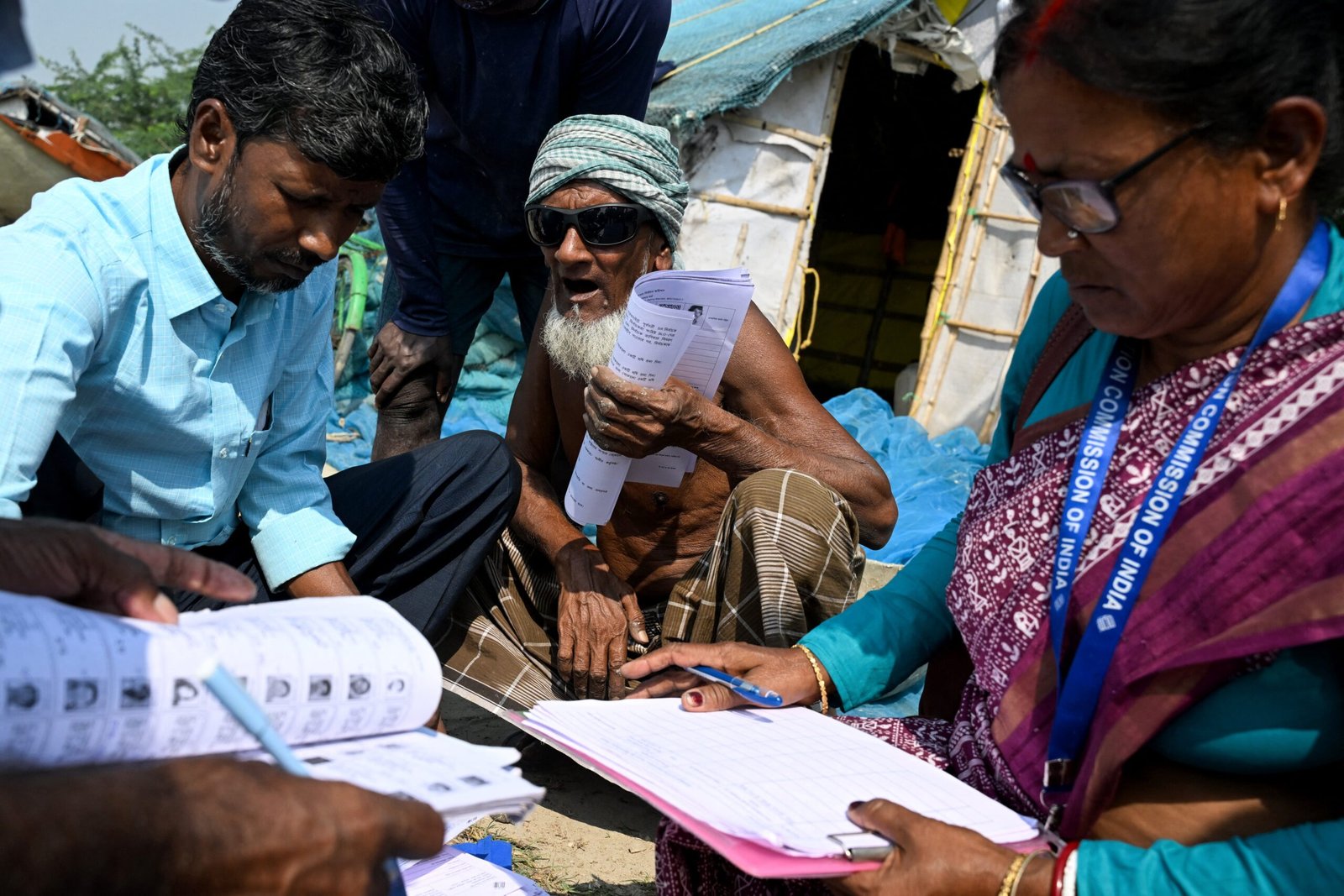
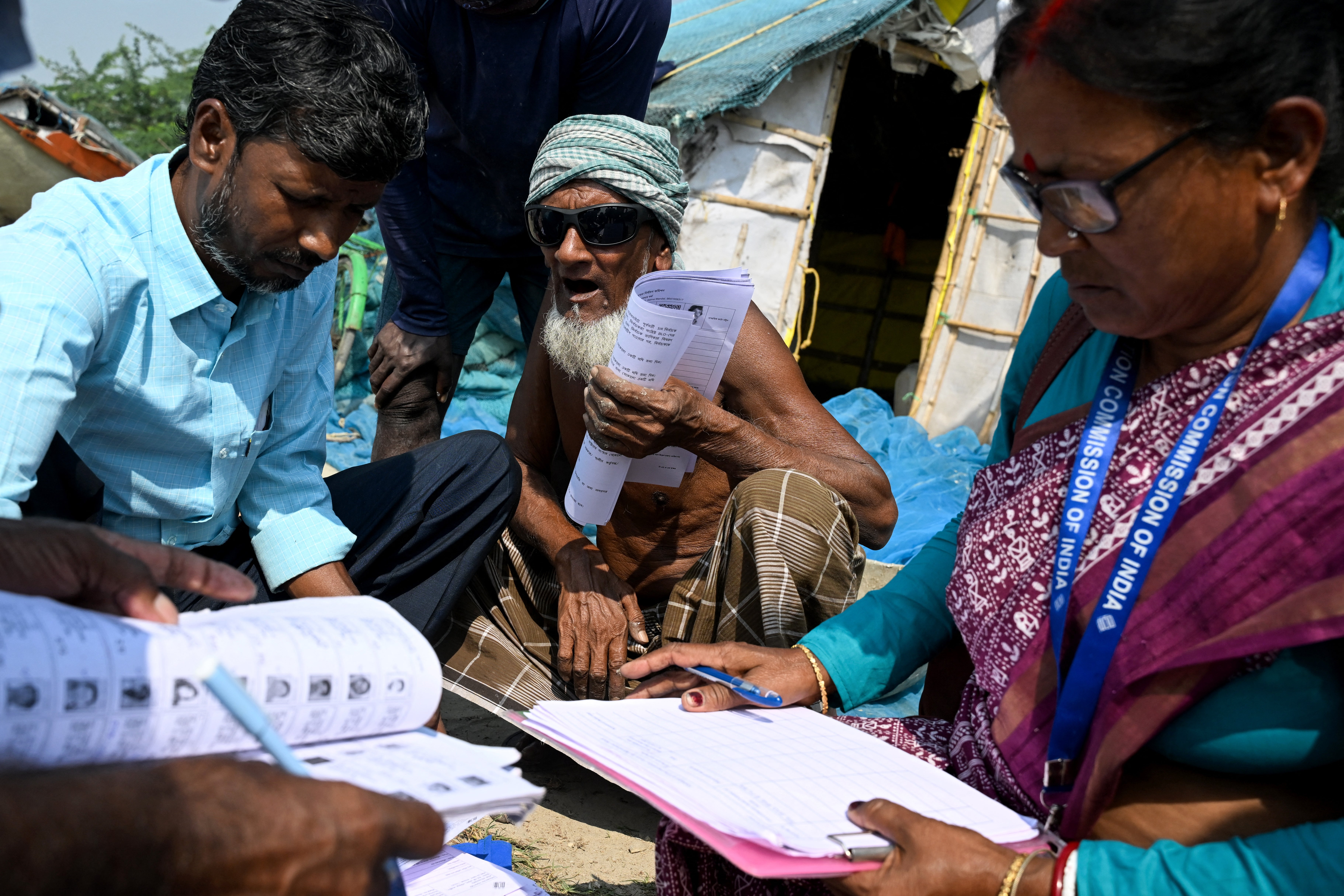
Makbul Rahman has voted in almost every state election since the early 1980s in West Bengal. Yet he is among millions who have been denied the chance to exercise his democratic right in a vital election beginning on Thursday that is being fiercely contested between a powerful local party and Narendra Modi’s BJP.
Mr Rahman, a 73-year-old retired government employee from Murshidabad district, has spent much of the year to date trying to get his name restored to the electoral roll, attending appeal hearings about a long-running process by India’s election commission, known as the Special Intensive Revision (SIR) exercise, to update the voter list.
“I am old. And these officers are constantly harassing me,” he told The Independent. “I have all the documents, yet they deleted my name from the voter list. How is this possible? I have attended hearings and presented my papers. My son and my daughter-in-law were named in the list, so how can election officials do this to me?”
Mr Rahman’s is one of nine million names that have been deleted from the voter list as part of the SIR exercise, which has been mired in controversy across India and faced waves of criticism and legal challenges.
Voting began on Thursday morning in 152 of 294 seats across 16 districts of West Bengal, phase one of two in the election, despite the SIR cases for millions of voters still being under review.
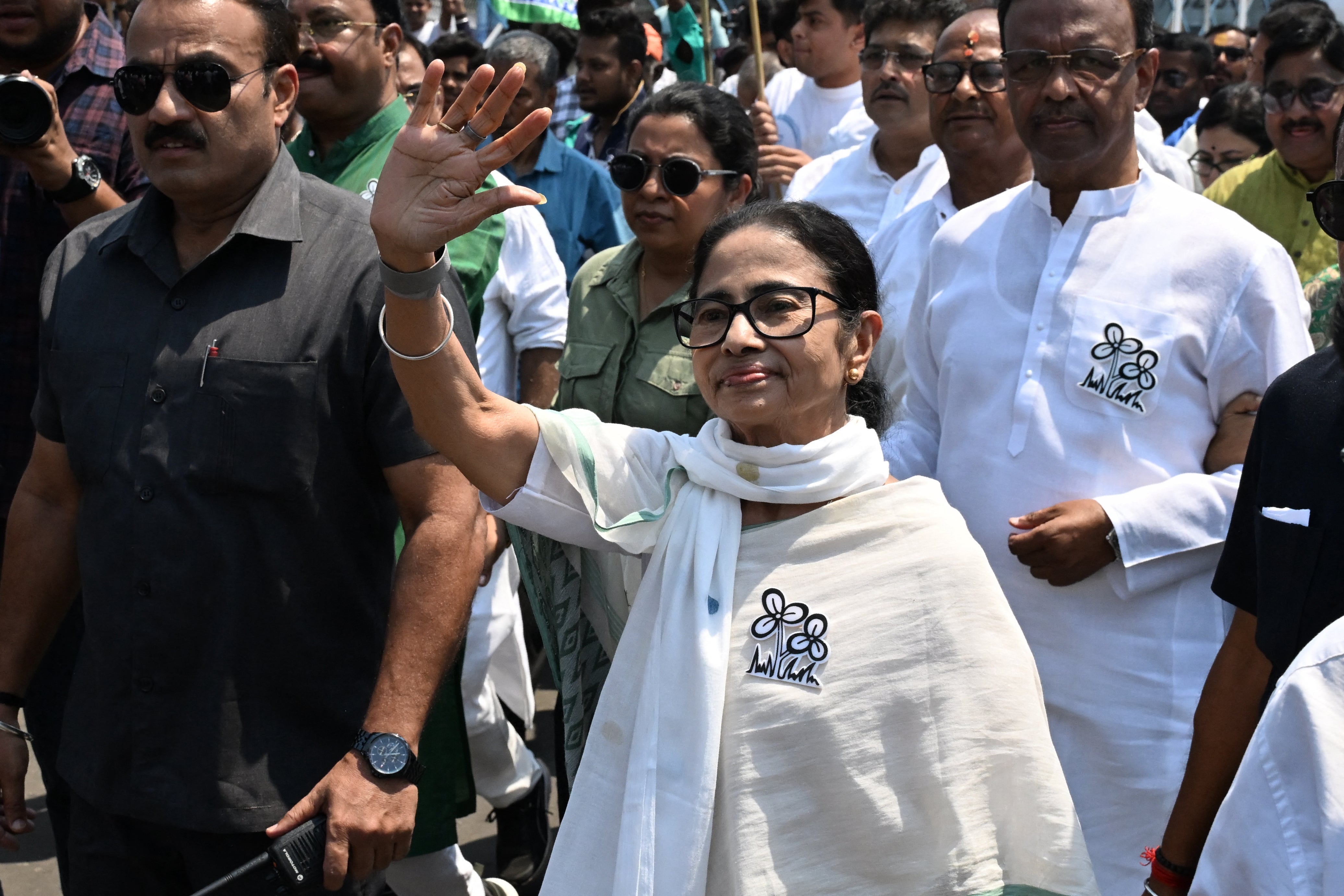
Pollsters put the outcome on a knife-edge, meaning it is the best chance in years for Mr Modi’s Hindu nationalist BJP to unseat the long-running state government of chief minister Mamata Banerjee of the Trinamool Congress (TMC). Ms Banerjee is seeking a fourth term in office in the eastern border state of West Bengal, where power has changed hands only once since 1977.
The second phase of the vote will take place next Wednesday, with results due on 4 May.
The election commission faces mounting scrutiny after initiating a nationwide revision of voter rolls to weed out ineligible names, which critics and opposition parties warn could have a disproportionate impact on minority voters. Data released by the commission shows that 11.85 per cent of West Bengal’s 76 million voters have been deleted from the roll.
Critics say Muslim voters – roughly 27 per cent of the state’s population and who overwhelmingly rally behind Ms Banerjee’s party – have been deliberately targeted through the SIR. Both the BJP and the election commission deny the allegation.
The exercise has become a political flashpoint, prompting Ms Banerjee to approach the Supreme Court in a bid to halt the process, the first such move by a sitting state leader.
At least 13 states and federally administered territories have undergone the SIR process so far, but West Bengal has been the only state so far where tribunals have been set up to hear the appeals of those struck off the list. That process offers little solace, however – of the 9 million names struck off the voter list, around six million are believed to be of absent or deceased voters, while 2.7 million have appealed for a tribunal hearing. As of the start of the vote on Thursday, however, just 138 cases had actually been settled by the tribunals, with 98.5 per cent leading to the restoration of the appellant’s name to the rolls.
“I firmly stand by my earlier stance that the EC [election commission] must immediately stop this exercise. The revision cannot be completed in two or three months,” Ms Banerjee said earlier. “You must prove your identity. What greater humiliation could there be? They could have done this [SIR] over two years. What right does the EC have in determining who is a citizen and who isn’t?”
The Independent met would-be voters outside one tribunal in Kolkata, though the premises remained closed in the days ahead of the election, with a heavy security presence and only a handful of people visible, clutching documents as they waited.
The BJP has routinely claimed that the exercise was targeting “infiltrators”, a pejorative term for illegal immigrants from neighbouring Bangladesh. “The TMC is opposed to SIR as they want to save the infiltrators from being struck off the electoral rolls,” Mr Modi said at a rally last month.
Murshidabad and four other border districts with substantial Muslim populations account for 58.65 per cent of the electorate flagged for adjudication. The district of North 24 Paraganas accounted for 15 per cent of deletions, and in Murshidabad, 13 per cent of names were struck off the electoral rolls. Apart from Muslims, Dalit Hindu migrants from Bangladesh’s Matua community were also struck off in North 24 Parganas and Nadia districts.
The Independent spoke to at least a dozen families in North 24 Parganas who said clerical errors had led to their names being deleted. Beyond clerical errors, transliteration from Bengali to English has emerged as a recurring problem, with inconsistencies in names across documents posing a particular challenge, mostly for women. The SIR has disproportionately affected women voters, accounting for about 61.8 per cent of those deleted from the electoral rolls, according to data analysed by the Kolkata-based non-profit Sabar Institute.
Sampurna Bhattacharya’s appeal remains pending before the tribunal, and she has yet to be called for a second hearing. Her mother, a polling officer, initially found her name missing from the rolls, but it was later added to the supplementary list after she protested.
“Surprisingly, my mother’s name made it to the second list as she is a polling officer, but mine didn’t,” said Dr Bhattacharya, a 30-year-old academic from North 24 Paraganas. “I presented all documents, including my passport, during the hearing, yet they deleted my name from the list. It doesn’t make any sense. They have not only snatched my right to vote but also put me through so much harassment that I don’t know what else I must do to prove that I am a citizen.”
The rest of Dr Bhattacharya’s family will vote on 29 April.
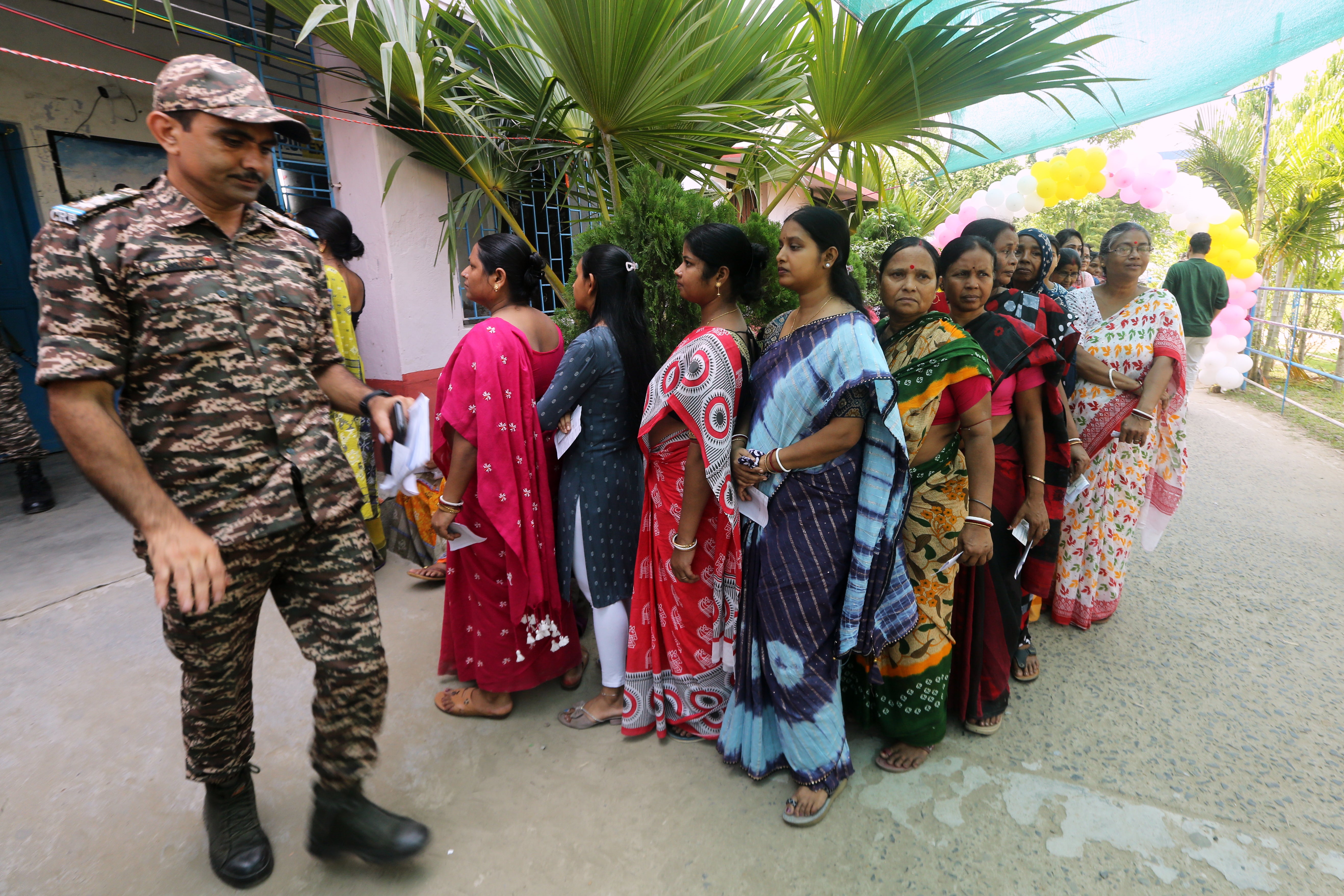
Sheikh Najrul Islam, a 53-year-old paramilitary officer on election duty, said he last voted in 2021 and holds valid identification documents, yet his name no longer appears on the voter list. “The election commission has deputed me to ensure free and fair polls, yet it does not consider me a citizen of this country,” he said.
A Manchester-based professor said he was forced to cancel his trip to West Bengal after he got deleted from the electoral roll. Mehebub Sahana said the names of his father, brother, and sister have also been deleted from the electoral list in East Burdwan district.
Wing Commander Md Shamim Akhtar, a decorated Indian Air Force officer, got the “shock of his life” upon discovering that his name had been struck off from the voter list. Mr Akhtar, who served in the force for 20 years, told LiveMint he had been “extremely anguished and disheartened”, not just for himself, but for hundreds of thousands of ordinary citizens. “I still consider myself privileged. I have all the documents,” he said. “My parents and I were included in the 2002 electoral roll, and my entire family is mapped in the electoral roll post-2026 SIR. But what about the hundreds of thousands of ordinary citizens who are poor and may or may not have documents dating back several decades?” he asked.
Analysts warn that the deletions are fuelling fears of longer-term consequences, affecting people’s core rights as citizens of India. “Losing one’s place in the electoral roll can be deeply unsettling,” the political analyst Iman Kalyan Lahiri said. “It is not only about voting rights; it is about dignity, recognition, and the assurance that one counts as a citizen.”
Voting was also taking place on Thursday in the southern state of Tamil Nadu, and the two polls are part of a wider round of state elections testing the BJP’s reach in opposition strongholds. The results of the latest elections and the earlier polls in Kerala and Assam states and the federally administered territory of Puducherry were expected on 4 May.