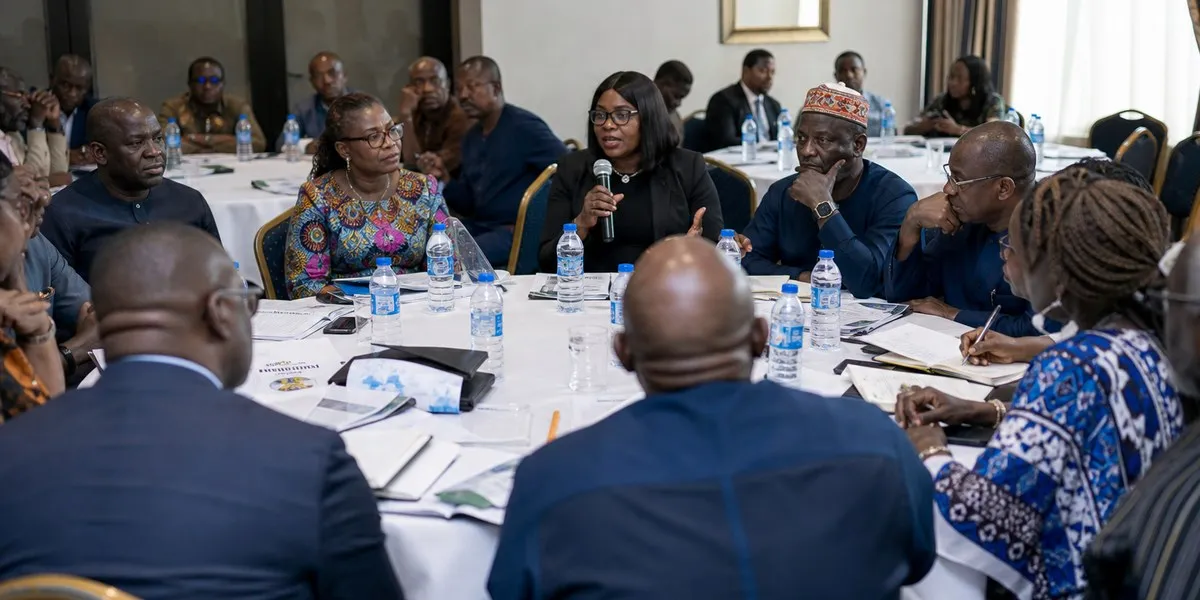




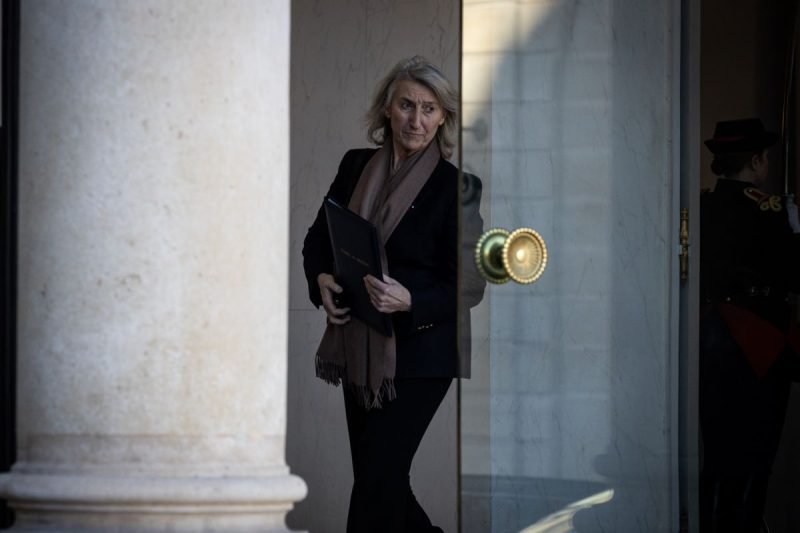
G7 environment talks in Paris showed that multilateralism can still deliver – as long as the most contentious issues are kept off the table, France’s environment minister Monique Barbut said.
Barbut acknowledged that confronting the climate issue head-on would have risked “driving some partners away from the negotiating table, and ultimately achieving nothing at all”.
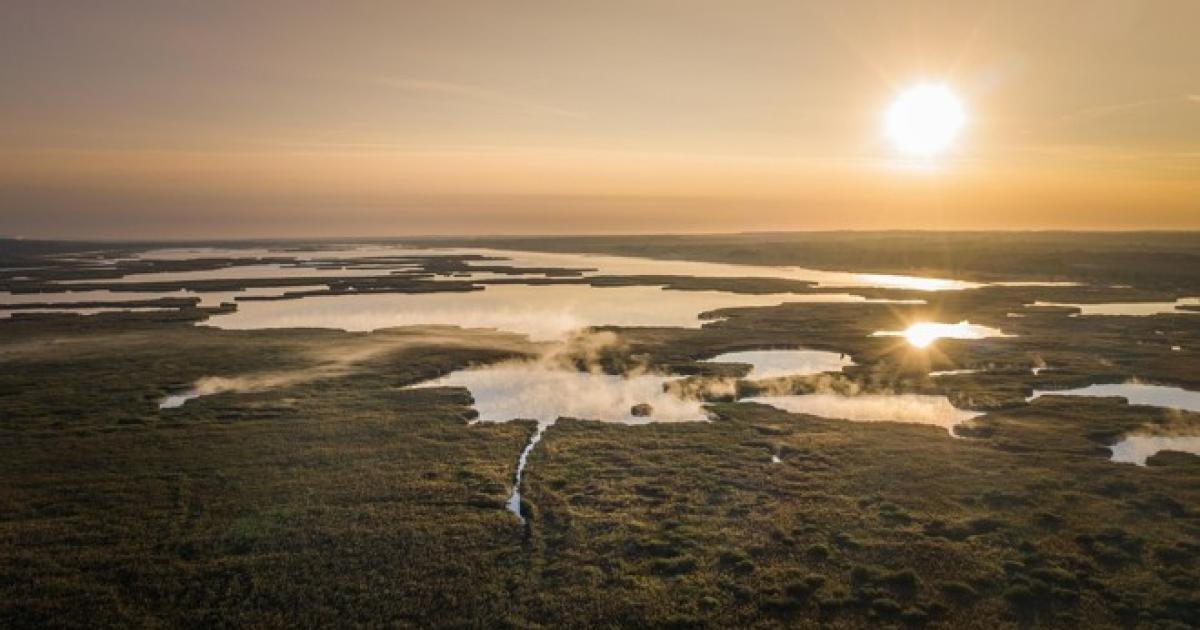
Amid concerns over US cooperation, the focus of the two-day talks shifted to ocean conservation, desertification and biodiversity funding – the themes of three COPs scheduled in the coming months.
By the time discussions wrapped up on Friday, seven declarations had been adopted: on desertification, environmental track outcomes, illegal fishing, marine protected areas, biodiversity financing, real estate resilience, and water pollution.
“Against the backdrop of the current challenges to environmental multilateralism, these results are exceptional,” Barbut said.
“We never imagined the Americans would agree to the inclusion of PFAS in the Water Coalition’s actions to address water pollution,” she told journalists. “They did, and it was handled in an extremely constructive manner.”
Barbut highlighted the launch of the Nature and People Finance Alliance to scale up public and private finance, and the Alliance of Marine Protected Area Managers to improve management practices and develop new funding.
Avoidance as multilateralism
Nevertheless, this approach to consensus-based diplomacy has left a few blind spots.
Neither deep-sea mining – on which the EU and the US are divided – nor the international treaty to combat plastic pollution – whose negotiations have stalled – were discussed during the working session on ocean protection.
And Barbut ruled out the possibility that the G7 alliance on biodiversity financing could lead to a common position at the upcoming COP on biodiversity, to be held in Yerevan, Armenia, from 19 to 30 October.
“The idea is to try to get people who didn’t talk to each other much – because they were more or less competitors – to engage in conversation with one another, in a relaxed setting without any pressure,” the French minister told Euractiv.
However, the issue of compensation for the Global South was one of the key sticking points at the last COP on biodiversity, in Columbia, in 2024.
The 2026 G7 Summit will take place in Évian-les-Bains, France, from 15 to 17 June 2026.
(aw)
Paris launches ocean protection alliance at G7 summit
France has successfully launched an alliance for marine protected areas during a two-day G7 Environment…
2 minutes