








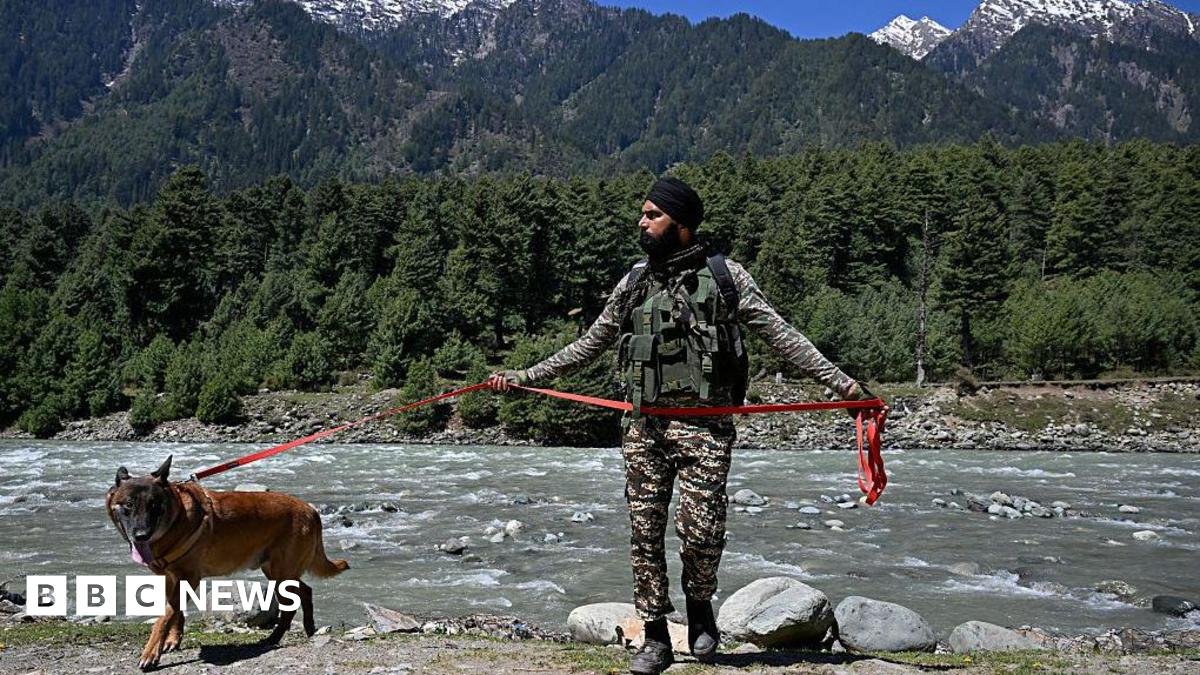
The impact has not only been felt in numbers.
In the days after the killings – which prompted protests and condemnation across the region – security operations intensified. Nearly 3,000 young men were detained for questioning, and in some areas authorities demolished the homes of suspected militants, extending the consequences of the attack into everyday life.
While officials say the security situation has since stabilised, for those who depend on tourism the uncertainty has lingered – raising questions over when, or if, visitors will return.
“We’ve seen difficult times before,” said Abdul Waheed Bhat, head of the pony riders’ association in Pahalgam.
“But this attack is different. This has sent a very negative message.”
Over the years, Kashmir’s conflict has produced a grim cycle – phases of protest, security crackdowns and militant violence that flare and recede, followed by periods in which daily life is gradually pieced back together.
Tourism, too, found a place within that uneasy pattern. Even during years of unrest, places like Pahalgam – known for its pine forests and alpine meadows – were largely spared from direct violence.
The attack last April shattered that.
By targeting visitors in one of Kashmir’s busiest hubs, locals say it disrupted a delicate balance that had allowed livelihoods to coexist with instability.