





“Maybe beavers will help change misconceptions”

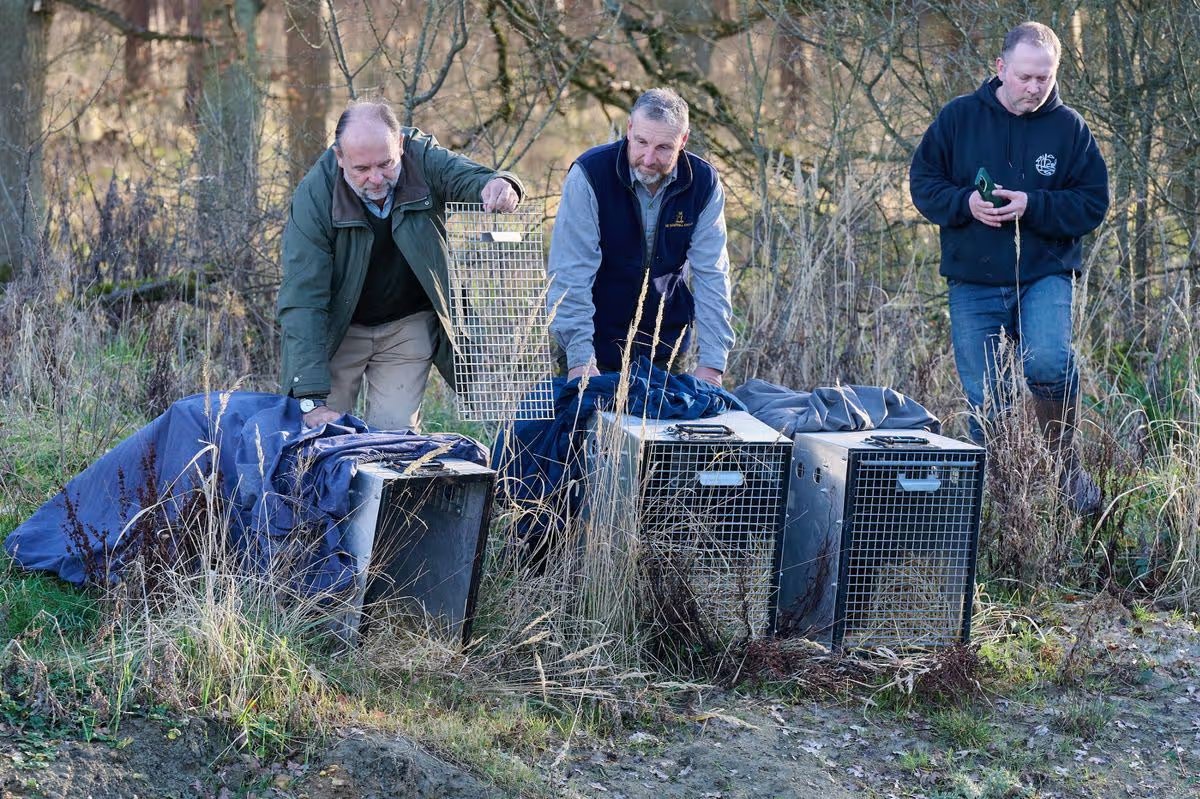
A family of beavers have been released into the wild of one of the driest counties in England for the first time in 400 years(Image: Chiew Loo/SWNS)
Campaigners opposed to many aspects of country life, including the private ownership of land, modern farming, country sports and so on, like to see things in black and white. Nuance doesn’t really work in our digital age, where social media thrives on stirring up anger and opposition to a way of life or a rural pastime. To make waves and gather followers you have to be strident.
So for the committed ‘antis’ owning land is always a way to deprive the masses of access to the countryside, efficient farming is always destroying wildlife and the environment, trail hunting is just a cover for killing foxes and game shooting is always “cruel” and undertaken by “toffs”.
People who live and work in the countryside know that none of the above is true. Of course there are examples of poor practice or bad behaviour, but in general the people who farm or manage land, and those who hunt, shoot and fish, make a positive contribution to the countryside, wildlife and the environment, as well as supporting the rural economy and benefitting social cohesion and good mental health.
Those benefits for wildlife were extended still further last week when it emerged that a long-established shooting estate in the Home Counties has recently introduced beavers – that species beloved of conservationists everywhere.
The shoot owner and custodian of the land is as passionate about wildlife and conservation as he is about maintaining the traditions of game shooting through the autumn and winter months.
I suspect those keyboard warriors and high profile campaigners who make a living from painting country folk as the destroyers of the natural world might find it hard to square the circle of what is going on at the estate, where the owner and gamekeeper have just overseen the release of three beavers into a 35-acre enclosure.
The story was reported on the YouTube channel, Fieldsports Britain – a show that is not shy about locking horns with anti fieldsports campaigners and animal rights activists.
MORE OPINION FROM PHILIP BOWERN:
But in this case presenter Charlie Jacoby was reporting on a country estate doing something that should strike a positive chord with the most ardent rewilder and conservationist and create a warm glow among anyone and everyone interested in using nature’s water engineers – i.e. beavers – to positively re-shape the environment. Except, I bet none of those high profile campaigners or avowedly anti fieldsports organisations will be able to bring themselves to offer congratulations to the estate because to do so would undermine their preferred narrative that says country sports are bad, bad, bad.
The estate in question runs a well regarded wild bird shoot and will continue to do so while simultaneously caring for the beavers and other wildlife that thrives there.
The gamekeeper told Fieldsports Britain conservation was the priority on the estate but shooting was a valuable spin off that brings its own benefits, not least the opportunity it provides for a social gathering on winter days for people engaged in all aspects of the sport, not just the shooting.
That combination of caring for nature and organising a game shoot or managing a river for fishing makes perfect sense. The two roles are interdependent.
There is significant evidence, for example, of how well wildlife thrives on land managed for shooting sports. Survey after survey has shown how a combination of feeding gamebirds and predator control benefits farmland birds and other species. Not many shooting estates can yet claim to include an enclosure for beavers – and not all will want to – but meaningful conservation work is being carried out on farms, moorlands, country estates and odd corners of the landscape where country sports of one kind of another are practiced, just as it is on land specifically designated as a nature reserve.
The return of the grey partridge to many parts of England is almost entirely due to the work of enlightened landowners and gamekeepers. Threatened ground nesting birds like curlew are thriving on moorlands managed for grouse. Woods and cover crops, planted for the benefit of shooting sports, also help many species, including those at risk.
It is not hard, in 21st century Britain, to spark an argument over rural practices and pastimes. A place – and a concept – that might once have been considered non-controversial – a peaceful haven away from the cut and thrust of politics and campaigns – is now a hotbed of angry debate.
Yet the example of the beavers on the shooting estate and the thousands of other examples of good practice on country estates and farms demonstrate that anyone genuinely concerned about the future of the countryside and its wildlife should, at the very least, be open-minded about the part country sports play in helping the environment.
Conservation and game keeping are now very often combined roles on estates. Yet the prejudices too often prevent a proper acknowledgement about the part game keepers now play in supporting the preservation of nature. It’s time that changed. Maybe the beavers will help.