









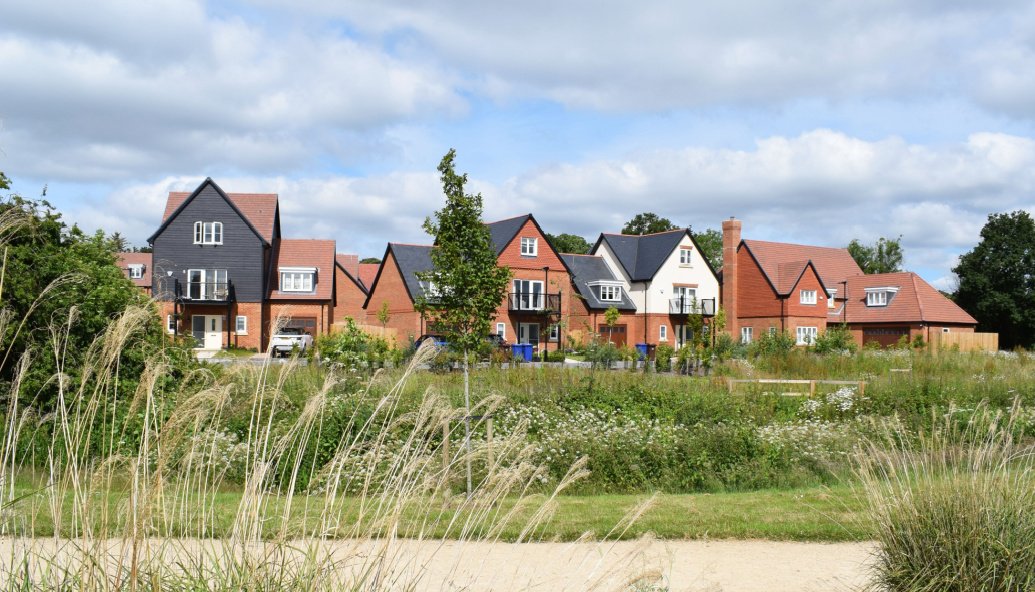
The Government has insisted that planning reforms include “numerous safeguards” to protect nature, after rejecting several cross-party recommendations aimed at reducing the environmental impact of new housing.
The response follows a report from the Environmental Audit Committee examining how ministers plan to balance ambitious housebuilding targets with environmental commitments.
The Committee warned that current measures in the Planning and Infrastructure Act may not be sufficient to meet both objectives and highlighted skills shortages across planning, ecology and construction as a major risk.
In its reply, the Government said policies such as the Nature Restoration Fund and Biodiversity Net Gain would ensure development can proceed while supporting nature recovery.
Ministers said the success of the Nature Restoration Fund would be judged on whether it delivers a “win-win for nature and development”, adding that Natural England’s work will be closely monitored through new regulations.
However, the Government rejected calls to publish additional evidence of environmental improvements when mitigation rules are relaxed, arguing that existing legislation already provides strong oversight.
The response also confirmed continued support for Biodiversity Net Gain, with plans to simplify the system for smaller developers by exempting sites up to 0.2 hectares.
Concerns over skills shortages were acknowledged, with ministers pointing to funding for planning departments and a £625m programme to recruit 60,000 construction workers by 2029 – but proposals for ecological resource hubs and mandatory carbon assessments for buildings were rejected.
The Government said a voluntary approach to whole-life carbon accounting will remain in place while it pursues housing growth alongside net zero targets.
Copyright © 2026 Energy Live News LtdELN