








A High Court hearing is set to examine claims that major companies contributed to pollution in three rivers along the Welsh-English border.
More than 4,500 people have joined the legal action over the rivers Wye, Lugg and Usk, with poultry producer Avara Foods and Welsh Water at the centre of the case.
The hearing, which is due to take place on Monday (27th April) in London, is believed to be the largest environmental pollution claim brought before a UK court in terms of the number of claimants and the area affected.
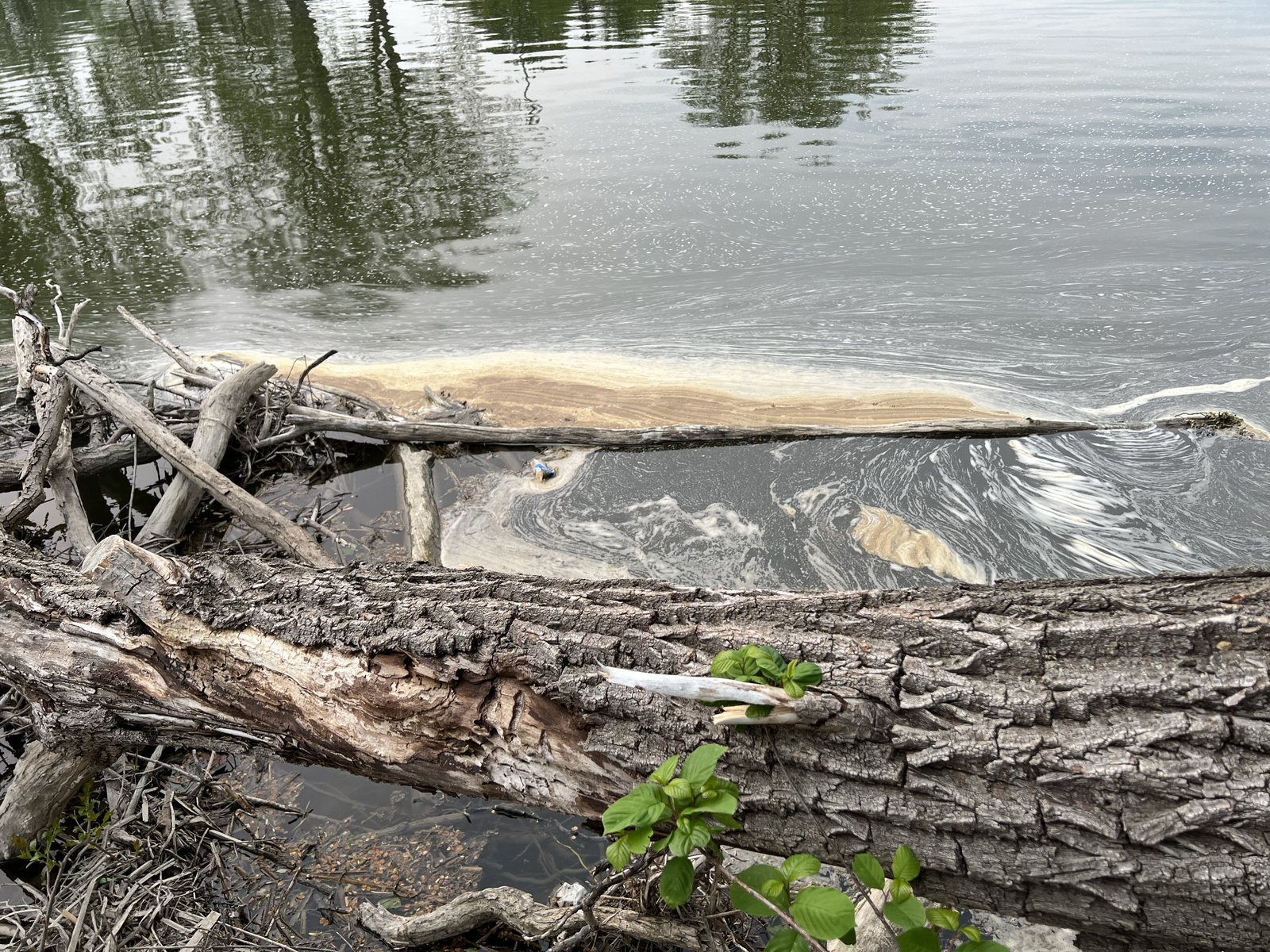
People living near the River Wye, one of the UK’s longest rivers, say that it regularly turns green in the summer and has become slimy and foul-smelling.
The claim argues that pollution has built up over time due to nutrients entering the water. It points to the spreading of chicken manure on farmland and sewage discharges as key sources.
When excess nutrients such as phosphorus and nitrogen reach rivers, they can trigger algal blooms which harm fish and other wildlife.
‘That just isn’t what this river should look like and feel like and smell like,’ Ms Evans, a wildlife filmmaker, told BBC News. ‘There’s been a systemic failure going on. And so in light of that, it seemed like the only course of action is to take legal action and make polluters pay.’
Campaigners have long raised concerns about the scale of poultry farming in the region. Around 24 million chickens are raised in the Wye catchment area, with waste from the industry often used as fertiliser on nearby fields.
UK law firm Leigh Day is leading the case on a ‘no-win, no-fee’ basis. They argue that although farmers spread the manure, Avara Foods and its subsidiary Freemans of Newent should be held responsible for its impact.
Speaking to BBC News, Celine O’Donovan, one of the Leigh Day lawyers, said: ‘The poultry companies that are being sued in this claim knew what the outcomes of their operations were going to be when they expanded the poultry production in this area.
‘As a result, the responsibility for the decline of these rivers needs to lie with the people that knew what was going to happen and have made the money from it and controlled the supply chain that resulted in it.’
The law firm first launched the civil claim in March 2024, which is when Avara Foods was named as the initial defendant.
However, in May 2024 the organisation expanded the case to include Cargill PLC. When the news first broke, Oliver Holland, a Leigh Day lawyer, said: ‘We believe they should also bear responsibility for bringing phosphorus rich soy into the UK and into the Wye Catchment area.
‘They have done this despite knowing that such action will cause environmental devastation to the River Wye having been found liable for the same practice in the US courts – instead of learning from their past mistakes they are simply replicating the same environmental damage in the UK that they have been liable for in the US and should be held equally responsible for their actions as Avara.’
Reactions to today’s High Court challenge
A spokesperson from Avara Foods told rayo that the allegations are ‘misconceived’.
‘This Case Management Conference is a procedural hearing and does not consider the merits of the case,’ they said. ‘The allegations are misconceived and reflect a misunderstanding of both our business and the wider factors affecting river health.
‘Environment Agency data has noted that there has been a downward trend in phosphorus levels which are now understood to be lower than they have been since the early 1990s. More broadly, independent research makes clear that river health is influenced by multiple factors that are unrelated to our operations.’
In similar vein, Welsh Water explained their work ‘to improve water quality is guided by data and assessments from our environmental regulators National Resources Wales and Environment Agency.’
They added: ‘Ofwat have allocated us a further £87m to invest between 2025-2030 to continue this important work.
‘We believe this case is misguided and risks diverting time and resources away from the shared goal of improving river quality.’
Campaign group River Action is supporting the claim and has organised a demonstration outside the Royal Courts of Justice ahead of the hearing.
Emma Dearnaley, head of legal at River Action, said: ‘This case comes at a critical time for some of our most cherished rivers and the communities connected to them.
‘We believe industrial-scale chicken production supplying major supermarkets and fast-food chains has placed immense pressure on the Wye, Lugg and Usk, driving nutrient pollution levels that these sensitive ecosystems cannot absorb.
‘River Action supports this claim because it gives a voice to thousands of people who refuse to accept the continued degradation of their rivers.’
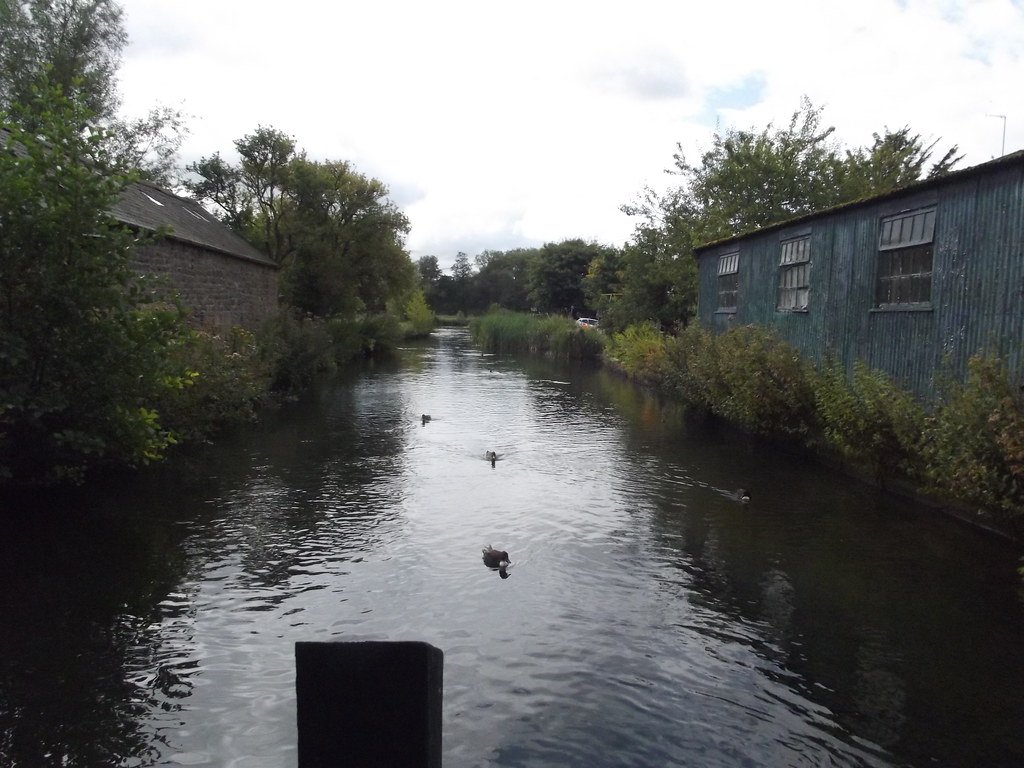
Image: Caudwell’s Mill Craft Centre – River Wye
In related news: