







Another violent round now appears nearly inevitable in light of Iran’s latest 14-point proposal, which again reflects its uncompromising positions.
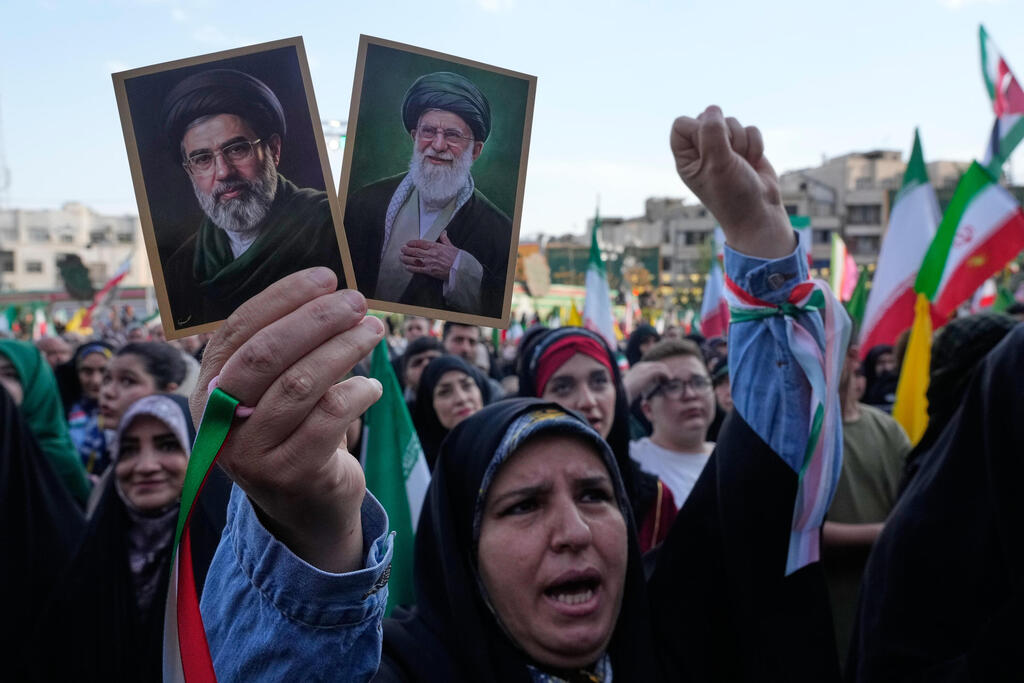
For Iran, the clock runs differently. Tehran believes its surprise move to close the straits has shaken the world and left the United States without a solution. After rounds of talks in Pakistan, Iran believes it holds significant cards that could lead to a U.S. strategic failure, despite the tactical successes scored by the United States and Israel.
The Strait of Hormuz, which began as a bargaining chip, has become a strategic force multiplier equal in importance to the nuclear issue.
The consequences of the closure are not limited to immediate damage to the economies of U.S.-allied Gulf states and to Iran itself. They extend to the global economy, especially Europe and Asia, which could face a severe aviation fuel shortage within weeks, with dramatic effects on aviation, air cargo, logistics and tourism. The natural gas sector is also expected to suffer major damage.
Despite the U.S. naval blockade intended to punish Iran and collapse its economy, the straits are almost completely closed in all directions, with daily traffic averaging about 5% of prewar levels. Iran still holds another card: closing Bab el-Mandeb in the event of a U.S. ground attack on its territory.
Iran’s staying power comes from long and active land borders, an active shadow fleet backed by Russia and China, dozens of tankers that appear to have breached the naval blockade, land routes allocated by Pakistan and plans to move oil to China by train. Just as important is the privilege reserved for dictatorships: violently suppressing any internal criticism over the dire economic situation.
Iran is also well aware of the political timetable in the United States, the intense pressure on President Donald Trump to end the war, the domestic debate over the War Powers Resolution of 1973 and the administration’s request to increase the defense budget by $1.45 trillion.
The United States, for its part, believes the economic shock will eventually bring Iran to its knees. Washington points to Iran’s oil storage problem, which could cause irreversible damage to oil fields, a daily economic loss of $500 million, severe damage to the steel and petrochemical industries, soaring inflation and unemployment, and war damage estimated at $250 billion.
In Trump’s view, all of this will lead to the surrender agreement he seeks without forcing him to do what he should have done earlier: a limited ground invasion in goals and time.
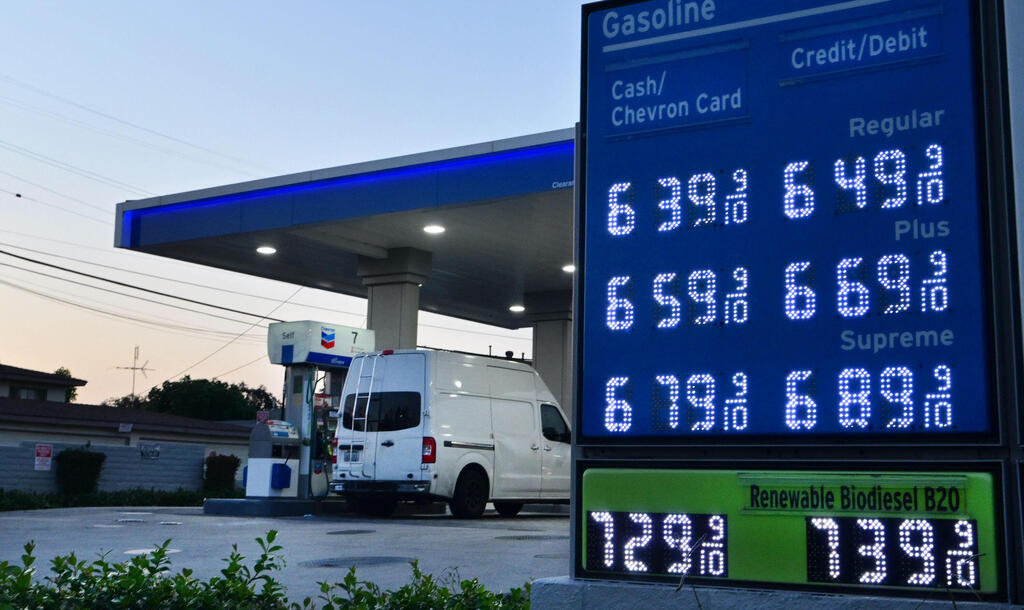
And so, while the United States believes time is on its side, Iran appears to believe the opposite.
Another theory that will soon be tested is whether a split within Iran’s leadership is preventing a political agreement. In Washington, President Masoud Pezeshkian, Abbas Araghchi and Mohammad Bagher Ghalibaf are seen as members of the moderate camp. Opposite them are the hard-line “men of yesterday” associated with Mojtaba Khamenei and Ahmad Vahidi.
The United States is convinced that eliminating the hard-liners would open the way to an agreement that includes Iran backing down on the nuclear issue and Hormuz.
Given the constraints facing Trump, it is reasonable to assume that if Iran continues its defiance, he will choose a middle path: not carrying out threats to destroy energy facilities but further tightening the naval siege, alongside targeted killings of hard-line leaders and destruction of Iran’s “mosquito” fleet enforcing the closure of Hormuz.
This concept is highly doubtful. The public rift in Iran’s leadership appears to be part of its negotiation tactics, meant to create confusion and uncertainty on the U.S. side and buy a few more weeks. In any case, even if there is a real split, the hand that signs a surrender agreement with Trump on the nuclear issue and Hormuz would quickly be cut off.
Time is running out for the United States and Israel. Iran, though battered militarily, could still turn its military failure into a diplomatic achievement.
Trump, as leader of the free world, must complete what he should have done long ago: a powerful ground operation to seize Kharg Island and force open the Strait of Hormuz. Once that is done successfully, Iran will crawl to Islamabad and hand Trump the buried uranium itself.
Dr. Haim Golovenzits is a Middle East scholar and commentator