





West Bengal’s elections saw unusual voter disenfranchisement and heightened security measures, revealing varied public responses and acceptance.
An informal report on the recent elections in West Bengal sheds light on the unique circumstances surrounding voter disenfranchisement and public sentiment. As a journalist in Kolkata, I noted the complex reactions among citizens as they navigated this electoral period.
Voter Experience Amidst Changes
An unexpected interaction caught my attention at a voting centre in our neighbourhood. A middle-aged resident expressed surprise upon recognising a voter he believed to be from abroad. This moment of levity contrasted sharply with the confusion surrounding voter registration changes caused by a revision process initiated by the Election Commission.
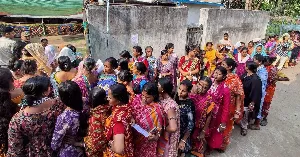
Despite living at the same address, my family was assigned to different polling stations, a deviation from our experience in the previous election cycle. This situation was not isolated; I heard numerous others sharing similar frustrations in the voting queue. The officials termed this ‘booth rationalisation’, yet many found the process chaotic and inconvenient.
Restrictions and Security Presence
The elections were further complicated by a notable directive from the Election Commission prohibiting passengers on motorbikes. The announcement was met with swift compliance, particularly by bike taxi drivers adjusting their routines to enforce this ban. Many reflected on the necessity of such measures to eliminate disturbances typically associated with election season rallies.
In addition, the deployment of paramilitary forces was unprecedented in Kolkata, stirring mixed feelings among voters. While some acknowledged the unusual presence as a precautionary measure to maintain order, others raised concerns over the over-militarisation of a usually peaceful voting environment. A frequent justification offered by the public was the need for security to prevent disturbances during the electoral process.
Disenfranchisement Among the Voters
Public attitudes towards disenfranchisement, stemming from the electoral roll revisions, were equally striking. While supporters of the Bharatiya Janata Party (BJP) considered the removals necessary, they appeared unfazed by the exclusion of some voters, even those from their own communities. Reports indicate that this purging has affected various demographic groups, yet many amongst the deleted names remained hopeful of resolution.
Asadul Hoque, a 30-year-old e-rickshaw driver from Malda, expressed optimism about regaining his voting rights after the elections. The tranquillity displayed by those disenfranchised presented a stark contrast to fears of the impending repercussions, such as detention centres similar to those in Assam. Despite their disenfranchisement, a subset of voters accepted this situation as a temporary obstacle rather than an irreversible loss.
The ongoing electoral period revealed that a significant number of voters have made peace with their circumstances, even in the face of large-scale disenfranchisement affecting millions. The elections continued, and as citizens cast their ballots, many assumed a sense of normalcy in these convoluted times.