





The European Commission has said the EU must “fasten its seat belt” as the Strait of Hormuz remains closed to shipping and increasing tensions between Washington and Tehran threaten to shatter a fragile ceasefire.
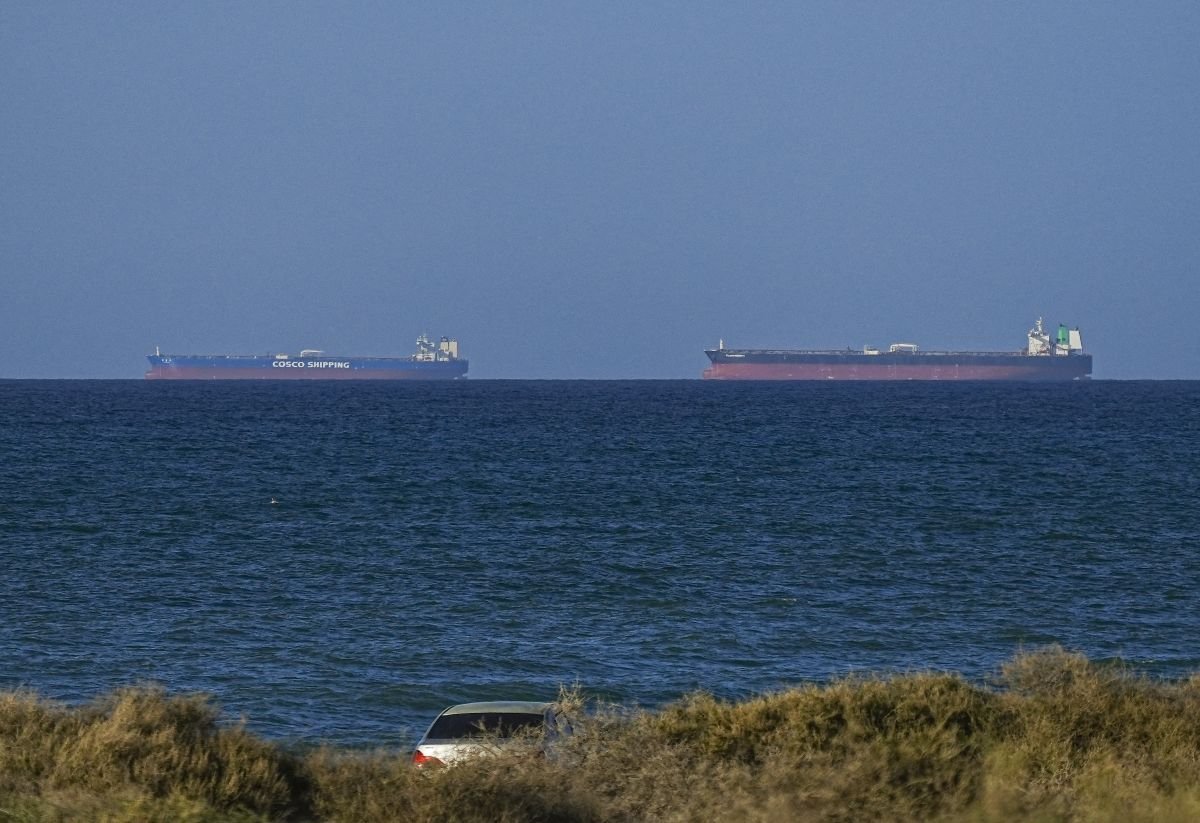
For more than two months, first Iran, then the US, have locked down the entrance to the Persian Gulf, previously the conduit for at least a fifth of the world’s oil and seaborne gas. With further supply shortages looming as the crisis drags on, import-dependent Europe is bracing for further disruption.
“We truly need to fasten our seat belts and at least reckon with the possibility that this will continue and potentially will get much worse,” Wopke Hoekstra, the EU commissioner in charge of climate and taxation policy, told reporters on Tuesday morning.
‘Hope is not a strategy’
Energy Commissioner Dan Jørgensen, meanwhile, raised the prospect of “redistribution of jet fuel” as regional shortages loom.
“We hope it will not happen, but hope is not a strategy,” he told reporters. Officials say government reserve stocks of jet fuel may need to be released in June to avert shortages.
The EU officials’ comments followed an exchange of fire across the Strait last night after US President Donald Trump said American warships would “guide” commercial ships through the strategically critical waterway – an idea the US president dubbed “Project Freedom”.
Analysts at Deutsche Bank wrote on Tuesday morning that the attacks were “casting doubt on the state of the four-week-old ceasefire between the US and Iran”.
Tehran has shown no intention of relinquishing control of the waterway. Mohammad-Bagher Ghalibaf, speaker of the Iranian parliament, said on Tuesday morning that the “new equation” of the Strait was “in the process of being solidified”.
“We know full well that the continuation of the status quo is intolerable for America,” Ghalibaf said, adding that Tehran had “not even begun yet”.
Stagflation
The prolonged blockade of oil and gas shipments from the Gulf has also raised the spectre of a prolonged economic slowdown coupled with a surge in the cost of living – a combination termed ‘stagflation’ by economists and evocative of the oil shocks of the 1970s.
After the European Central Bank sought to downplay the threat last week, Hoekstra struck a more sombre tone.
“The economic data and the info that I have seen are not encouraging,” he said.
Valdis Dombrovskis, EU economy commissioner, had been similarly pessimistic when speaking to reporters on Monday night.
“Europe is facing a stagflationary shock, meaning a slowdown of economic growth with a simultaneous increase in inflation,” he said. “That’s exactly the scenario in which we are finding ourselves.”
(rh, cm)