








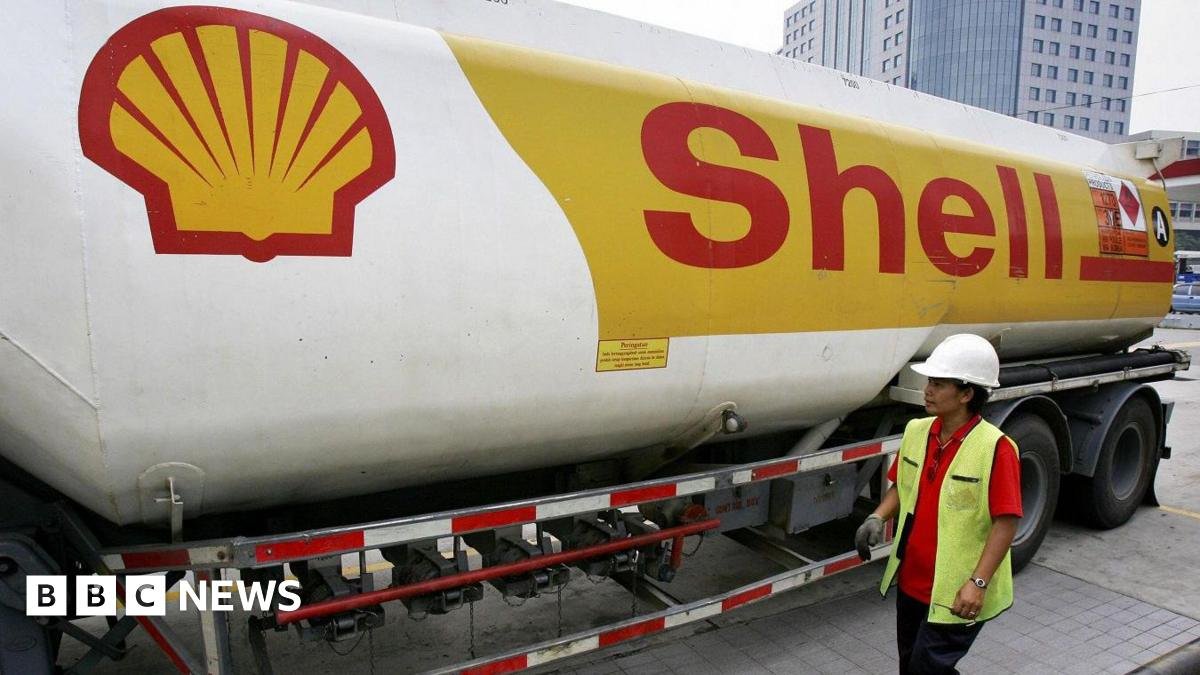
Shell chief executive Wael Sawan said: “Shell delivered strong results enabled by our relentless focus on operational performance in a quarter marked by unprecedented disruption in global energy markets.
“The safety of our people remains our priority as we work closely with governments and customers to address their energy needs.”
Like BP, one of the factors behind Shell’s profits rise was better results from its oil trading business.
Before the conflict began, the price of Brent crude, the global benchmark for oil prices, was around $73 a barrel.
Since then, oil has seen sharp swings – peaking above $120 at one point, but also falling below $100 on other occasions as speculation has swirled over when the Strait of Hormuz will reopen.
The big movements in the oil price that have been seen since the Iran war began can widen the gap between buying and selling prices. This typically enables traders to make bigger profits.
Shell’s profits were also boosted by higher margins at its refining business, which turns crude oil into finished products such as petrol and jet fuel.
However, the company said its oil and gas output had fallen by 4% compared with the final three months of last year due to the conflict.
Shell’s LNG production in Qatar has been shut down since early March because of the conflict, and its Pearl GTL site in Qatar has been damaged by attacks.
Last week, Shell announced it was buying Canadian shale producer ARC Resources for $16.4bn, which Sawan said would “deliver value for decades to come”.