








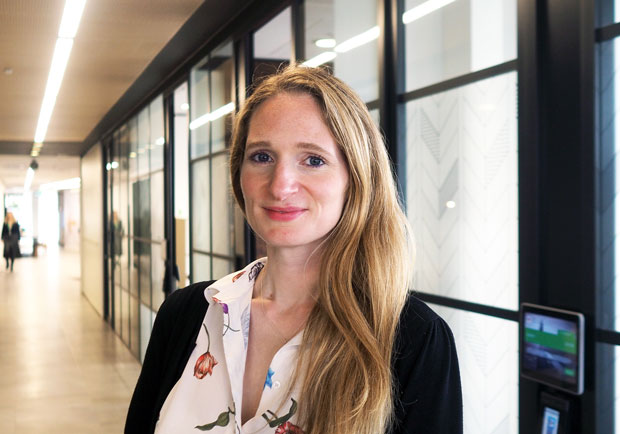
 By Helen Longfils, Group Director, Social Value, Mitie
Belonging is an increasingly important feature of a successful workplace. When people feel valued, supported and connected, they are more engaged, more confident in their roles, and more likely to stay. Yet too often, inclusion is treated as a cultural aspiration. In reality, it should be built into the fabric of the workplace itself, and facilities management can play a critical role in making that happen.
FM is a people‑first sector, with frontline colleagues often the first point of contact for colleagues, visitors and customers. A security officer greeting someone at their office door, a cleaner maintaining shared spaces or an engineer resolving an issue, all shape how a workplace feels, influencing perceptions of safety, respect and inclusion. When FM colleagues feel valued and supported themselves, that experience translates into the service they deliver.
Inclusion starts with recruitment
Belonging begins long before someone steps into a workplace. It starts with access to opportunity; the chance to secure employment, develop skills and progress in a career. As one of the UK’s largest employment sectors, this is where FM can make a real difference.
Through inclusive hiring, skills development, career pathways, and apprenticeships, FM can support thousands of people who face barriers to work into sustainable employment. At Mitie, this approach comes to life through Plan Thrive, our commitment to uplift one million lives and enable 1,000 places to prosper through employment, skills and wellbeing. Initiatives such as our Ready2Work programme, delivered across over 60 locations nationwide, enable us to support people who face barriers to work into sustainable employment and longer-term career pathways.
We believe belonging is not just about access to jobs, it is about development, progression and critically, opportunity. Investment in apprenticeships, training and progression frameworks enables frontline colleagues to continuously develop new skills and move into specialist roles with the confidence to succeed.
Powering people, not just places
Designing places around people, not processes, is one of the most effective ways organisations can foster inclusion. Today’s working environments bring together multiple generations, diverse physical and neurological needs, different cultural backgrounds and a wide range of personal circumstances. Inclusive FM recognises that there is no one single way to work, meet or interact. That applies not only to our colleagues but the people who use the places we look after day in, day out.
Nearly nine in 10 (88 per cent) people said a safe, well-maintained environment was essential, while 83 per cent said access to the right technology improved workplace satisfaction, within our 2025 Productivity Reset research. Beyond satisfaction, these factors play a critical role in whether people feel comfortable and able to fully participate at work.
The research highlights that seemingly small details, from unreliable lighting and poor temperature control to excessive noise or hard‑to‑navigate layouts, can quickly become daily friction points. Issues such as lifts being out of service, ineffective signage or inconsistent cleaning are repeatedly cited as drivers of dissatisfaction, reinforcing how closely people’s sense of comfort and inclusion is tied to how spaces are maintained.
Inclusive workplaces are not created by accident; they are maintained deliberately. When people can navigate spaces easily, work comfortably and access the support they need, they are more likely to feel respected and included.
Supply chains as a driver of inclusion
Supply chains have traditionally been viewed through the lens of cost, efficiency and compliance. Increasingly, however, they are being recognised as a powerful lever for inclusion. FM is well place to drive this shift.
Earlier this year, Mitie launched its Sustainability and Social Value Supplier Charter, embedding inclusive employment, skills development and community engagement directly into its supply chain expectations. Rather than focusing solely on minimum standards, the Charter is designed to help suppliers of all sizes to build capacity and capability over time, helping broaden participation while raising standards across the FM sector.
By taking this approach, supply chains move from being a closed system focused on cost control to a mechanism for strengthening local economies and creating more inclusive, resilient built environments.
Belonging in action
As World FM Day this year highlights, inclusion is not abstract. Facilities management shapes whether built environments are more than just functional, but accessible and empowering to all. It is the small but important details that make the difference, turning spaces people simply use into places where they truly belong.