





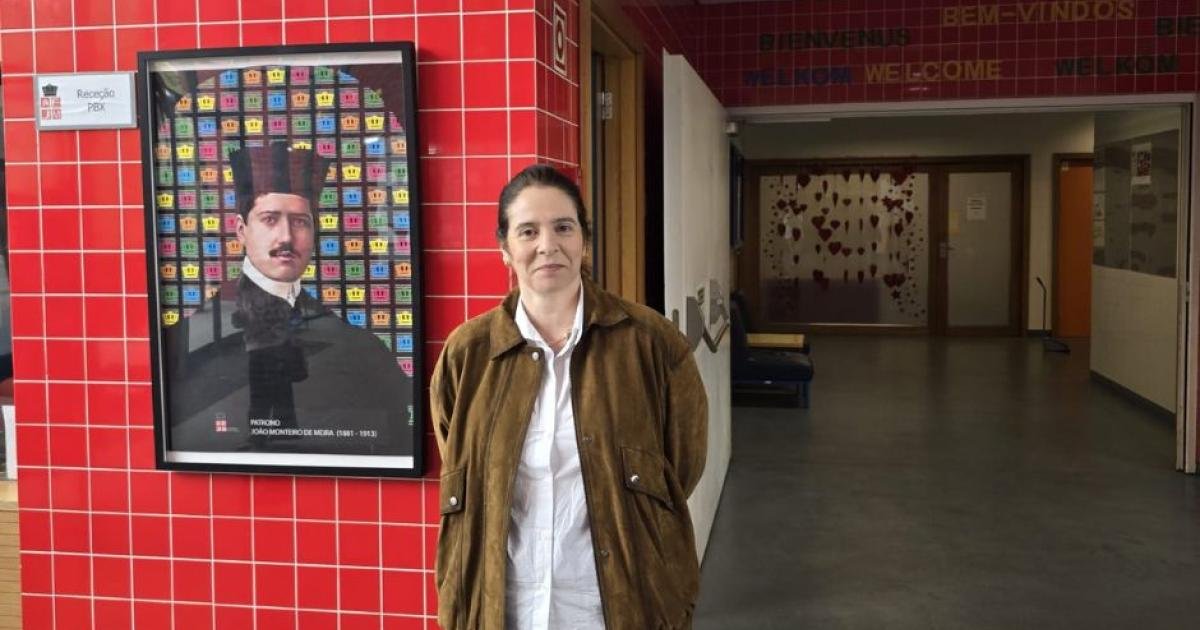
Susana is helping shape a more sustainable future by placing education at the centre of environmental action. As an Erasmus+ coordinator at her school, she connects local learning with international collaboration, ensuring that sustainability is not only taught but experienced.
Her teaching approach is rooted in real-life application. By linking lessons to everyday challenges, she helps students understand environmental issues in a practical and meaningful way. “I try to connect my students with reality”, she explains, highlighting the importance of making sustainability tangible from an early age.
Learning sustainability through action and exchange
Through Erasmus+ projects, Susana works with schools across Europe, enabling students to share experiences and learn from different contexts. These exchanges help build a collective understanding of sustainability as a global issue, rather than a local concern.
By collaborating with international partners, students contribute to shared knowledge and discover new approaches to environmental challenges. This exposure reinforces the idea that meaningful change requires collective effort across borders.
“We can learn from each other and move further together”, Susana states.
Connecting schools, communities and local action
In Guimarães, sustainability is driven by strong collaboration between institutions, schools and citizens. Susana highlights how local initiatives bring together policymakers, educators and communities around a shared vision for the future.
Projects such as the PEGADAS programme are promoted by the Landscape Laboratory and the Guimarães City Council in collaboration with a group of local, national, and European partners. It is based on the municipality’s strategy for sustainable development and the promotion of environmental, ecological, and inclusive policies. This is a cross-cutting program dedicated to environmental education.
For Susana, participation is key: “When people understand the goal and feel involved, they want to contribute”.
Empowering young people as agents of change
Susana sees young people as central to driving environmental progress. Their energy and awareness allow them not only to adopt sustainable behaviours, but also to influence those around them.
“When we involve students, they take the message home, to their families, neighbours and communities,” she explains.
Through school projects, mobility programmes and collaborative activities, students are encouraged to reflect on their role in shaping the future. Initiatives range from recycling projects and biodiversity activities to international exchanges focused on low-carbon lifestyles.
Building long-term awareness
For Susana, Guimarães’ European Green Capital title reinforces the importance of education in achieving long-term sustainability goals. It reflects a shared commitment across the city and highlights the role schools can play in this transition.
By integrating sustainability into everyday learning and connecting students with real-world challenges, she believes education can drive lasting behavioural change.
Ultimately, her work demonstrates that building a greener city starts with knowledge, engagement and a sense of responsibility, values that begin in the classroom but extend far beyond it.