








The built environment has spent years talking about two crises as though they are separate. One is the competency crisis: chronic skills shortages, an ageing workforce, and growing concern about whether the sector has the people it needs to deliver safe, sustainable and future-fit places.
The other is the diversity crisis: a profession that still overwhelmingly reflects a narrow demographic despite decades of strategies, pledges and initiatives designed to change it.
But these are not separate problems. They are the same problem viewed from different angles. And at the heart of both sits an issue the sector still refuses to confront properly: fragmentation.
For nearly a decade, Building People CIC has been mapping and connecting organisations working to widen access into the built environment for under-represented groups. What started as a simple attempt to ‘join the dots’ has evolved into a network of networks with more than 70 member organisations, all trying in different ways to create a sector that better reflects the society it serves.
Why do so many of these groups exist? Because too many talented people still experience the sector as isolating, exclusionary and structurally difficult to navigate. Because individuals who bring different lived experiences, perspectives and skills continue to encounter closed doors rather than opportunities. And because when systems fail people, people build their own support structures.
So they create networks. Mentoring programmes. Outreach initiatives. Peer communities. Advocacy groups. And there are a lot of them. That should be seen as a strength. But without coordination, strength becomes dilution.
Dozens of organisations are often trying to solve the same problems in parallel competing for the same funding, recreating the same programmes, duplicating administration and speaking to government and industry through separate voices instead of one collective platform.
The sector does not lack activity. It lacks infrastructure for collaboration. That reality became impossible to ignore during conversations with Women in Planning, which ultimately led to the creation of the ‘Gender MoU’ [memorandum of understanding] project.
Together, Building People and Women in Planning mapped ninety gender-focused built environment networks across the UK. Fifty organisations participated in a sector-wide survey, and 20 came together to identify shared priorities and challenges before jointly developing a memorandum of understanding for collective action. That MoU will be signed at UKREiiF. Its significance is not symbolic. It is structural.
The survey revealed that those 50 organisations alone collectively engage more than 15,000 professionals every year. Yet much of that effort happens in isolation. Mentoring schemes are repeatedly built from scratch. Volunteer capacity is exhausted by duplicated administration. Funding opportunities are missed because smaller initiatives lack the evidence base or infrastructure required to secure long-term investment.
Meanwhile, one of the most important gaps in the entire ecosystem remains almost entirely unaddressed: influencing how the built environment itself is designed for women as users, residents and communities. That should concern everyone. Because this is not simply about representation within the workforce. It is about competency in the broadest sense. Who designs our spaces shapes how safe, accessible and inclusive those spaces are for the public who use them.
Fragmentation across this ecosystem is costing more than £740,000 annually in duplicated administration, weakened policy influence and inaccessible funding. But the real cost is far greater than money. It is lost talent, stalled careers, reduced innovation and a built environment that continues to fall short of the needs of the people it serves.
I was reminded of this in 2022 while accepting CIOB’s inaugural equality, diversity and inclusion award. I was asked what EDI means in the built environment. My answer was simple: it means me feeling safe when I walk home at night because somebody like me helped plan, design and build the route home.
That is what this sector too often forgets. The built environment is not abstract. It shapes daily life. It determines how people move through cities, access housing, experience public space and participate in society.
If the people designing those places do not reflect the diversity of the people using them, then we should not be surprised when parts of society continue to feel excluded by design.
The Gender MoU represents an opportunity to move beyond performative commitments and towards structural collaboration. From isolated initiatives to collective leverage. From fragmented good intentions to coordinated action.
The sector already knows how to deliver complex infrastructure projects involving multiple stakeholders, competing priorities and long-term planning. The question is whether it is finally prepared to apply the same discipline to its own culture.
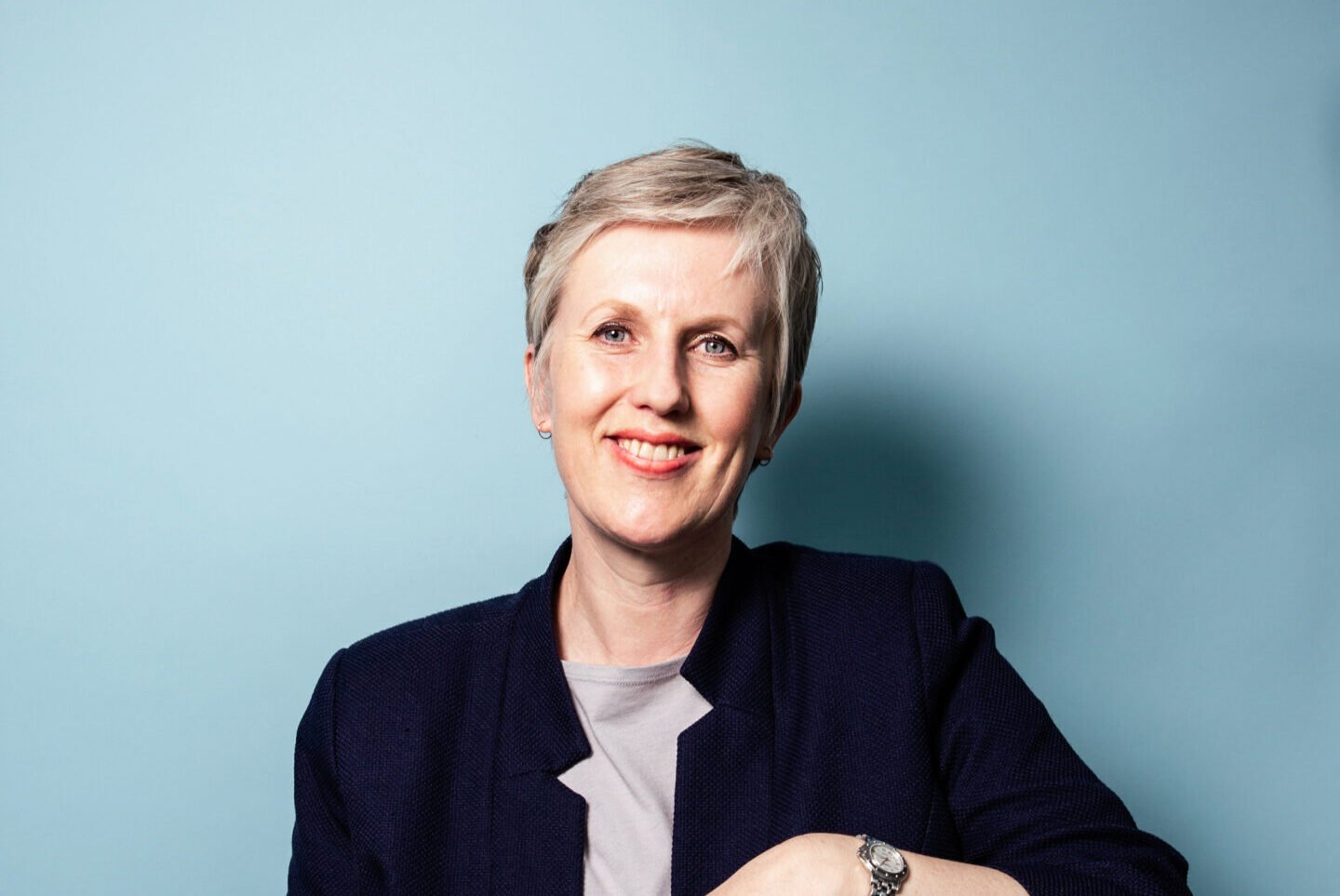
Rebecca Lovelace is founder and chief dot-joiner at Building People CIC, a network of networks for culture change in the built environment