








So far, the flow has not stopped entirely. Tankers loaded before the conflict escalated are still sailing.
“Supplies have not been completely disrupted yet. Cargoes that loaded in Qatar before the conflict escalated are still arriving in Asia,” says Go Katayama, principal insight analyst for LNG and natural gas at Kpler Insight, a commodity intelligence platform.
Shipping data from Kpler show 13 LNG cargoes loaded between 10-26 February are currently en route to India, with deliveries continuing through March.
But exports from Qatar’s giant Ras Laffan LNG complex (77 million tonnes a year) have been halted since 2 March, meaning these vessels could be among the last shipments until safe passage through Hormuz resumes, according to Katayama.
That does not mean India will run out of gas overnight. But it highlights a structural vulnerability.
Unlike crude oil, India does not maintain strategic reserves of LNG.
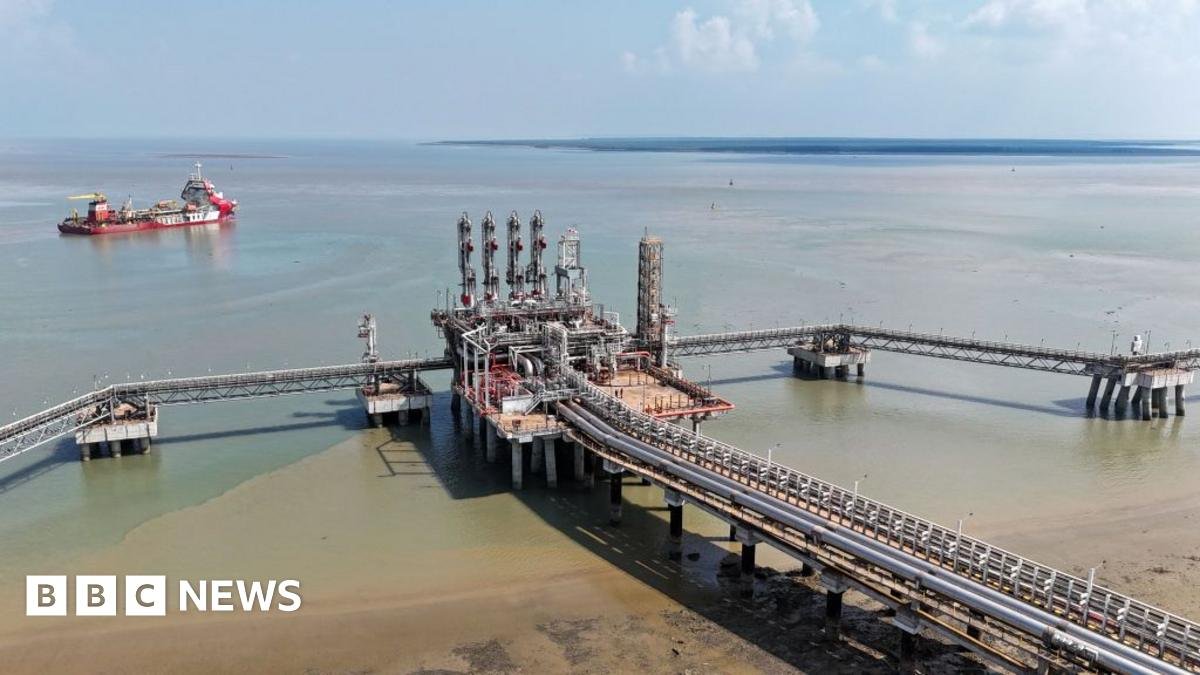
Gas is stored mainly as working inventory at regasification terminals – facilities such as Dahej, Hazira, Kochi and Ennore in India – that convert imported LNG back into gas.
Those stocks are modest.
At most, they cover about one to two weeks of imports, depending on terminal operations and cargo schedules, says Katayama. The system works because ships normally arrive in a steady rhythm. Interrupt that rhythm, and the market must adjust quickly.
For India’s urban consumers using piped gas, the immediate risk is price rather than shortage.
If disruption at Hormuz persists, India’s gas market will adjust the usual way: through higher prices and weaker industrial demand.
Households may keep their kitchen taps running – but not cheaply. “There is some price rise expected,” says Chopra.
In the end, both homes and factories will pay more; industry will simply bear the deeper cuts.