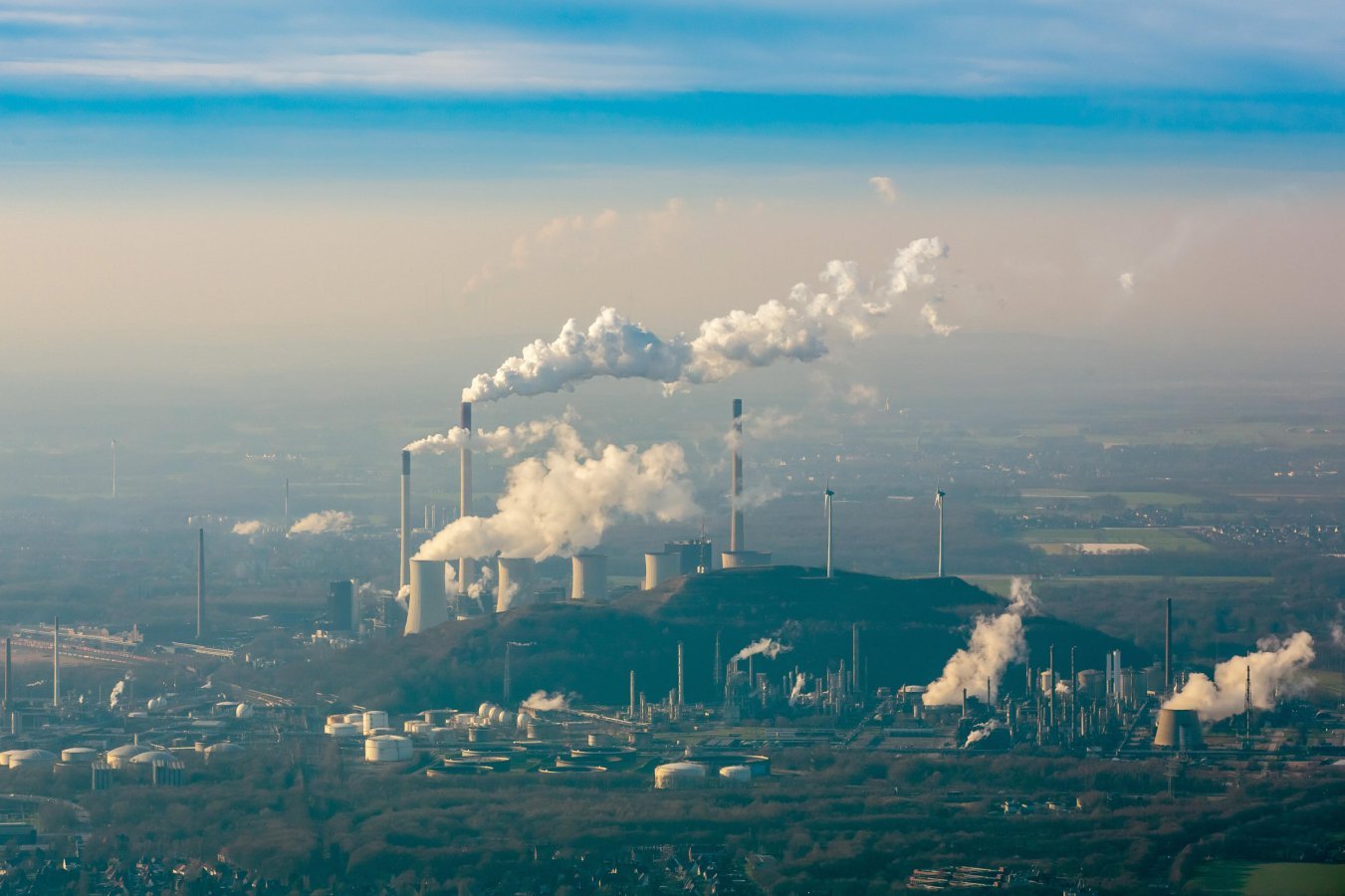









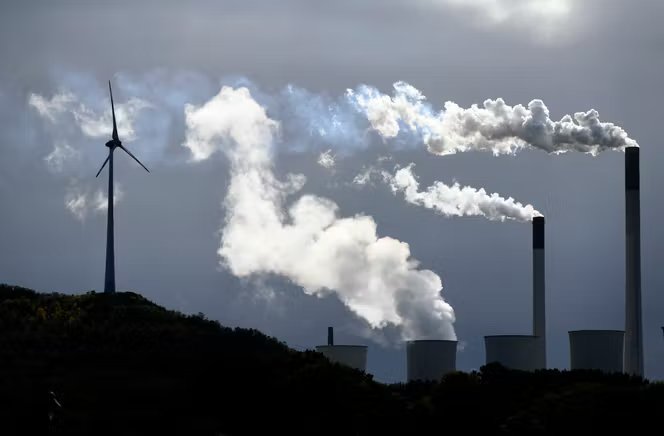
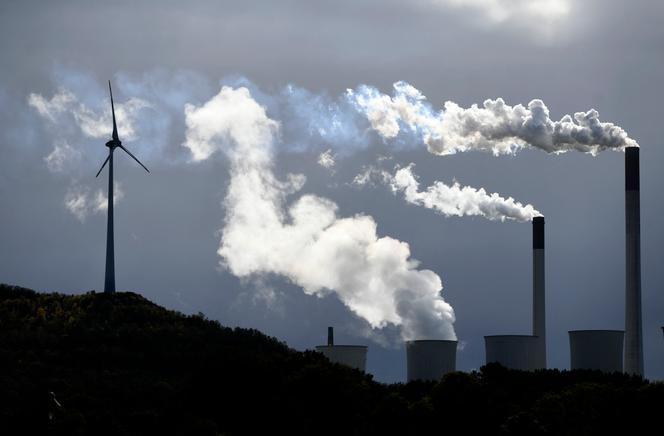
For years, it stood for the worst-case climate outcome: The so-called RCP8.5 climate trajectory, cited in thousands of scientific studies, imagined a world nearly 5°C warmer by 2100, fueled by a surge in coal consumption. This extreme scenario was recently set aside by a leading scientific committee whose work is expected to inform future reports by the Intergovernmental Panel on Climate Change (IPCC). But what was meant as a technical update was then seized upon for political purposes by Donald Trump.
“GOOD RIDDANCE!” declared the American president on his Truth Social network on May 16. The climate-skeptic billionaire cheered that the “United Nations TOP Climate Committee just admitted that its own projections (RCP8.5) were WRONG! WRONG! WRONG!” and once again condemned what he called “Climate Alarmism nonsense.” The message, which was amplified by the White House and by conservative American media outlets, was presented as proof that climate scientists had lied – a misleading interpretation.
At the heart of the controversy is a study published on April 7 in the journal Geoscientific Model Development. It defines seven new greenhouse gas emission pathways to explore – not predict – possible climate futures. The roughly 40 authors are part of an international project to develop climate scenarios, under the aegis of the World Climate Research Program, a United Nations agency separate from the IPCC.
You have 77.78% of this article left to read. The rest is for subscribers only.