








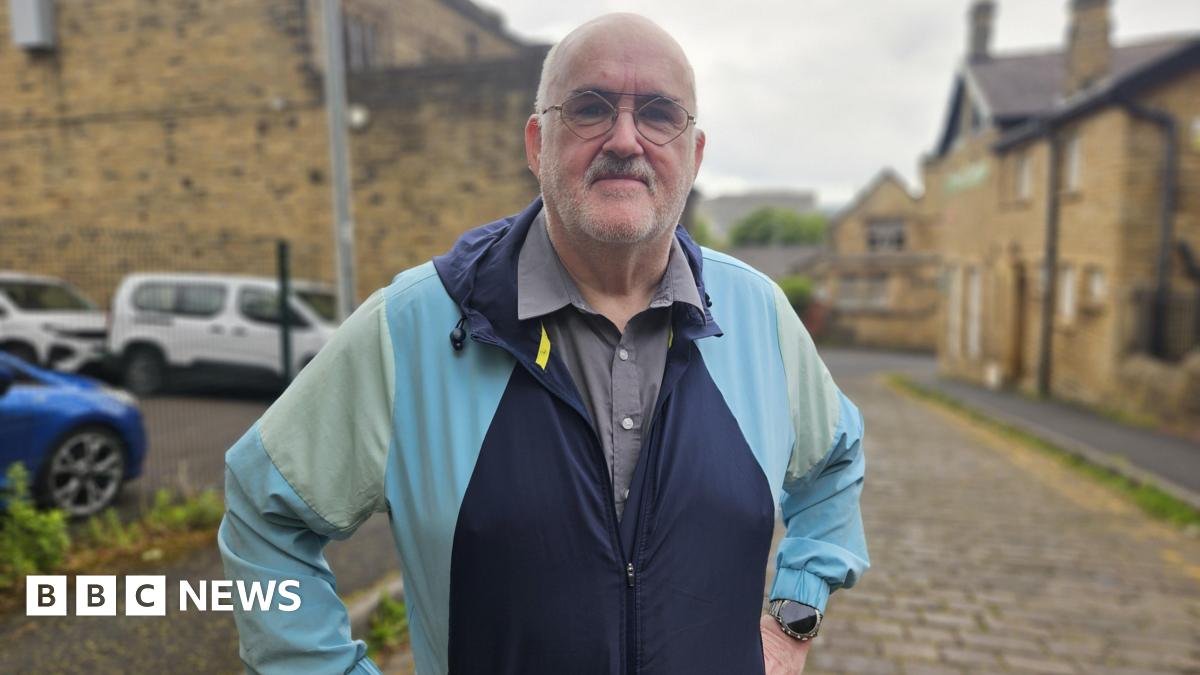
Jonathan Lees, a debt adviser with the charity, said its frontline workers who took up to 80 calls a day were increasingly encountering people in acute distress.
“We’re seeing a lot more council tax debt, utilities debt and rent arrears,” he said.
“People simply do not have the money for what we would consider essential costs.”
He said some clients were left with only £200 a month after paying rent, leaving little for food, transport or social contact.
“Things we consider part of a normal decent life, like going out with friends for a coffee, they simply cannot afford,” he said.
Lees said even debt advisers could feel powerless in the face of rising costs like fuel and shrinking budgets, with more and more people at risk of defaulting even on their debt plans and ultimately becoming insolvent.
“It’s very difficult and you can feel a bit helpless,” he admitted.
“But [at least] someone is standing alongside these people and trying to get them debt-free.”
Campaigners are now calling on policymakers to bring in stronger safety nets, faster access to financial support and greater recognition of debt as both an economic and mental health issue.
For Dean, meanwhile, speaking publicly about his experience was ultimately about encouraging others to seek help before reaching crisis point.
“It’s just making that first step and doing it,” he said.
If you have been affected by any of the issues raised in this story, information and support can be found at the BBC’s Action Line.