








- Five environmental activists from the group Mother Nature Cambodia remain in prison after a Supreme Court judge declined on March 2 to release them pending their appeal against a conviction for subversion.
- The activists, who were profiled in the Mongabay-produced film “The Clearing,” have been in prison since July 2, 2024 — more than 600 days — when they were sentenced to six to eight years in prison and ordered to pay fines for plotting against the government and insulting the king.
- Mother Nature activists have campaigned against logging, destructive dams and sand mining in Cambodia — activism they and others say is their right to carry out.
- Currently, sources say no date is set for the activists’ appeal; human rights groups contend its repeated postponement constitutes a violation of their fundamental right to a trial without undue delay.
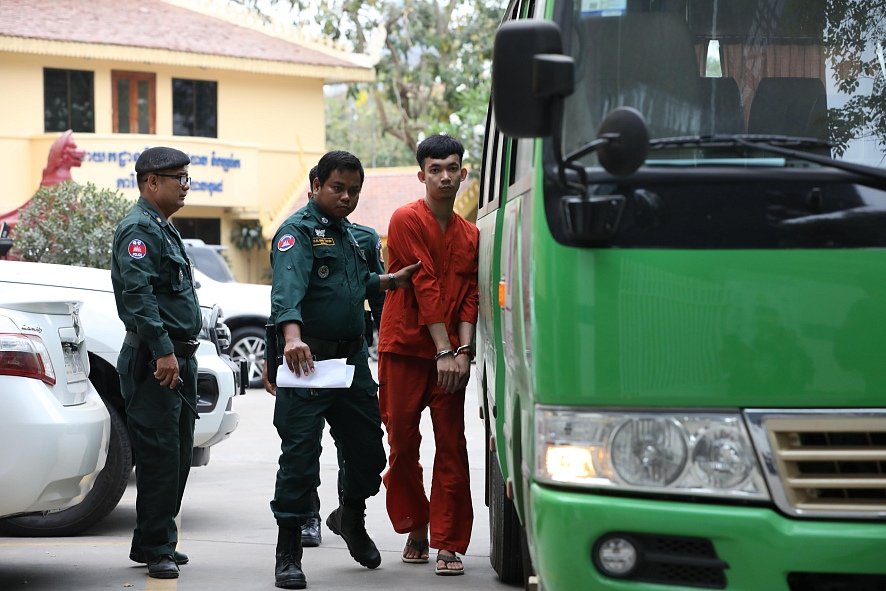
Five environmental activists in Cambodia will remain in prison, where they have been for more than 622 days, after the country’s Supreme Court decided not to allow them to go free as they appeal their convictions.
On July 2, 2024, Ly Chandaravuth, Phuon Keoraksmey, Long Kunthea and Thun Ratha were sentenced to six years each in prison for plotting against the government. Yim Leanghy received a sentence of eight years, along with a fine of 10 million riel (about $2,500), for plotting against the government and insulting Cambodia’s king.
The five activists are members of Mother Nature Cambodia, a group that has campaigned against logging, dams and the mining of coastal sand for export. Five other members of the group also received sentences in absentia in 2024.
Mongabay chronicled the lead-up to their trial in the film The Clearing, as well as their acceptance of the Right Livelihood Award “for their fearless and engaging activism to preserve Cambodia’s natural environment in the context of a highly restricted democratic space.”
Chandaravuth, Keoraksmey, Kunthea, Ratha and Leanghy have appealed their sentences, which stem from charges related to their environmental activism. All five had also previously been jailed on the same charges before being released on bail in 2021.


The original date for an appeals trial, June 26, 2025, was postponed and has been delayed several times since, with sources telling Mongabay that a new date hasn’t yet been set. On Feb. 23, the activists’ lawyers filed a motion before the country’s Supreme Court for them to be released pending their appeal.
“Releasing us at this time would be an opportunity to restore the government’s reputation on the international stage,” Chandaravuth said at the hearing, according to a Mother Nature Cambodia Facebook post. “We are human resources who can serve the nation. We do not want to remain in prison and become a burden on society in this way.”
But on March 2, a Supreme Court judge denied the motion, according to local news reports.
Human Rights Watch, Amnesty International and the Cambodian League for the Promotion and Defense of Human Rights (LICADHO) have demanded the release of the activists, arguing that their work was “peaceful” and “defended the environment.” In a recent brief, the Cambodian Center for Human Rights argues that the activists’ rights to trial without undue delay, to liberty and to the presumption of innocence haven’t been upheld.
A group of United Nations human rights experts has also spoken out against the sentencing of the activists.
“We call on the Cambodian Appeals Court to carefully review the activists’ cases,” they said in a 2024 statement two days after the convictions. “They must be immediately and unconditionally released.”
The legal proceedings are playing out against a backdrop of tightening of restrictions on activists and journalists by the Cambodian government. Three government officials either did not respond or declined to comment when contacted by Mongabay for this article.
When contacted by The Clearing‘s filmmakers, authorities pushed back against claims about the unfairness of the trial. Of the activists’ actions to expose environmental destruction, a spokesperson said, “How can they describe our leaders as destroyers of the nation? We accept all kinds of constructive criticism but not malicious slander. We must accept the fact that development inevitably has some impacts.”


The activists are being held in different prisons across Cambodia, making it difficult and expensive for family members to visit. Still, fellow Mother Nature Cambodia activist Lisa Mean told Mongabay that they’re all doing what they can to make the most of their time in prison.
Keoraksmey, 25, makes handicrafts and is working on learning Vietnamese and Spanish. “She loves learning languages,” Lisa said.
Ratha, a 34-year-old father of three, sees imprisonment as a setback to his goal of having his children attend private school where they can learn English. But he’s spending his time learning how to grow produce, which he hopes to do when he returns home.
Leanghy, 37, is an artist, and he’s helping his fellow prisoners at Kampong Speu learn English. “People call him teacher,” Lisa said.
Chandaravuth is 26 years old and living in a crowded cell in Kandal. Because the prison is near Phnom Penh, his mother brings him food and the books that he devours almost as quickly as they arrive. “Chandaravuth loves reading so much,” Lisa added.
Up until now, all five have remained “very patient,” she said, and they seem intent on putting what they were learning in prison to use to improve their activism. They’ve been approached by negotiators from the government, Lisa said, offering release if they apologize and agree not to continue their activism.
“Of course, they don’t want to stay up to six or eight years,” she added. But so far, they’ve all remained focused on appealing their convictions, though the courts have yet to set a date for their next hearing, Lisa said.


The government has tried to make life difficult for its critics, Lisa said, and many people currently don’t feel comfortable holding or attending protests.
Still, it’s important that Cambodians and the world at large know the plight of her fellow activists, she said. Mother Nature Cambodia has continued to advocate for their release and “to make sure their names [and] their faces are not forgotten,” Lisa added.
“They are still with us right now,” she said, and this has served as motivation to continue their work exposing environmental crimes. “This is something [that is] really important.”
Banner image: From left: Ly Chandaravuth (26), Long Kunthea (28), Phuon Keoraksmey (25), Thun Ratha (34) and Yim Leanghy (37) of Mother Nature Cambodia say farewell to supporters before entering the court on May 29, 2024. Image by Gerald Flynn/Mongabay.
John Cannon is a staff features writer with Mongabay. Find him on Bluesky and LinkedIn.
FEEDBACK: Use this form to send a message to the author of this post. If you want to post a public comment, you can do that at the bottom of the page.