







Since the attack on Iran by Israel and the US on February 28, more than 300 incidents with environmental risks have been recorded by the Conflict and Environment Observatory, a British non-governmental organization. Strikes have targeted oil and gas infrastructure, military installations, and ships. The head of the Observatory, Doug Weir, details the main threats for people and ecosystems.
What have been the most serious incidents so far?
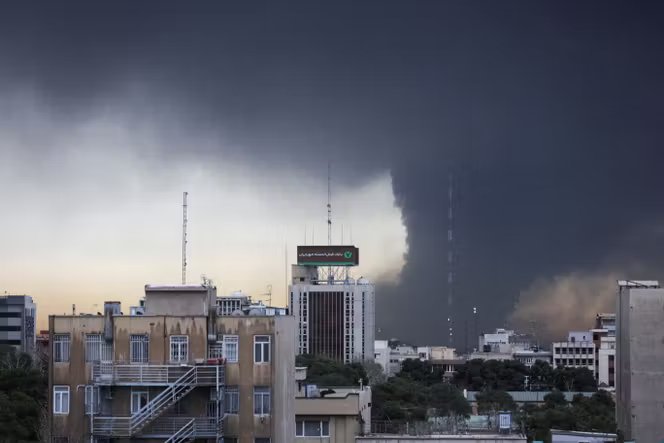
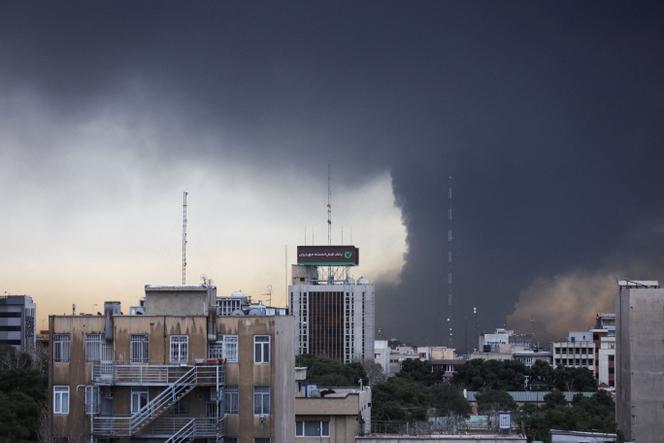
In terms of public health risks, I think Israel bombing oil production, oil storage and refining sites in Tehran [on the night of March 7 to 8] really stands out. We see these kinds of sites attacked in every conflict, but it’s very rare that these are in such a heavily populated area. We have nine million people in Tehran who are potentially exposed to these fires. Moreover, we know that geographically, Tehran is particularly exposed to poor air quality periods because of its surrounding mountains and because the atmosphere tends to push pollution down into the city overnight. These things would have been known to the Israeli military planners, and yet they attacked these sites overnight anyway.
You have 78.72% of this article left to read. The rest is for subscribers only.