







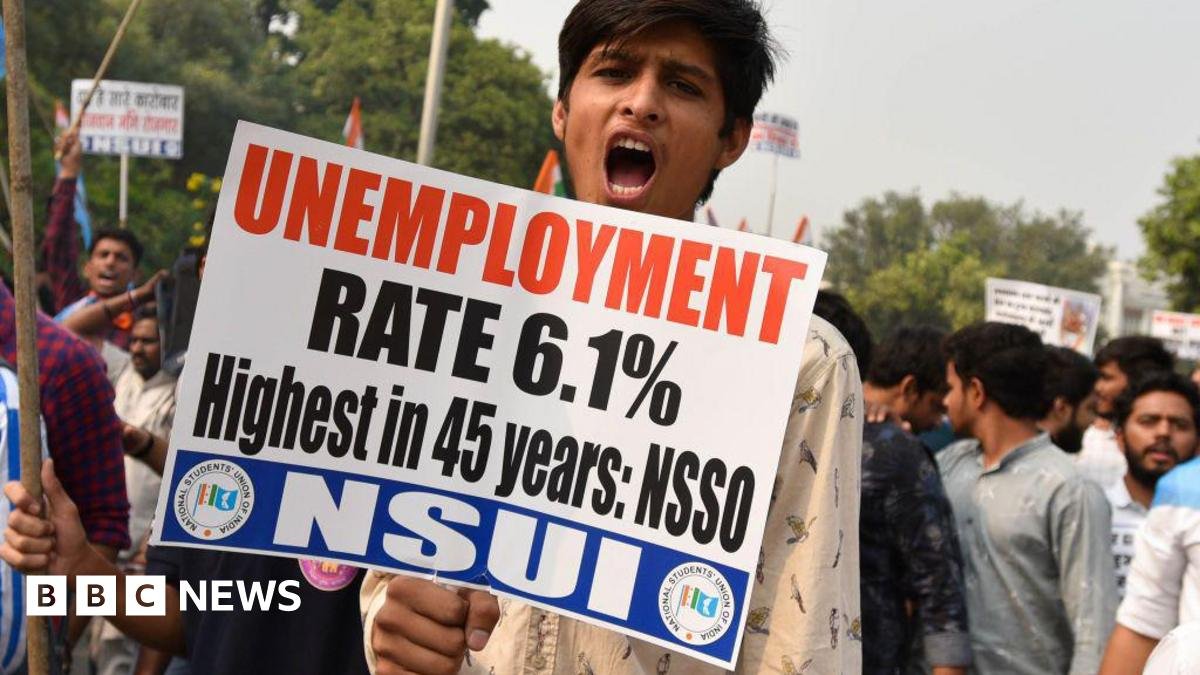
Many economists say India’s growth model helps explain the bind.
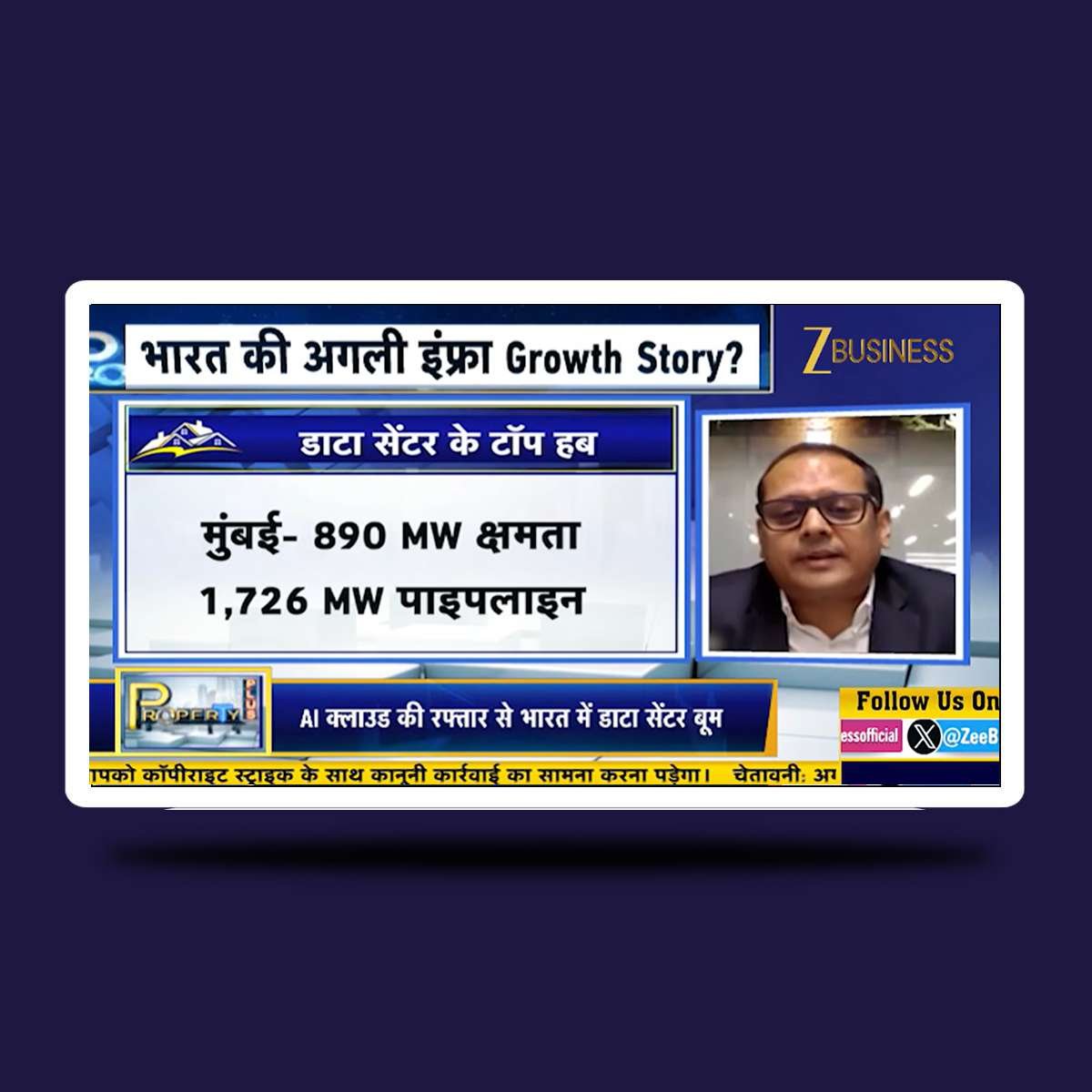
Unlike much of East and South-East Asia, which relied on export-led manufacturing to absorb low-skilled workers, India’s expansion has been driven by skill-intensive services – IT and communications in particular. Export-led manufacturing, by contrast, has remained weak.
The result is a lopsided labour market: opportunities for the educated, but too few pathways for everyone else.
Time, moreover, is not on India’s side.
With a median age of 28 and nearly 70% of its population of working age, the country remains one of the youngest in the world.
But this advantage is peaking, the report warns.
From around 2030, the share of working-age Indians will begin to decline as the population ages, closing the window that has long underpinned hopes of a demographic dividend.
The challenge, then, is not simply to create jobs, but to create the right kind of jobs- at scale and at speed. Artificial intelligence could reshape entry-level white-collar work, adding fresh uncertainty to India’s already fragile school-to-jobs pipeline.
“The extent to which this large, increasingly educated and aspirational cohort is productively absorbed into the labour market will determine whether this massive and continuing demographic dividend translates into an economic dividend,” the report says.
The policy prescriptions are well known: more salaried jobs, closer alignment between education and industry, smoother school-to-work transitions and stronger social protection for informal and migrant workers.
The deeper question, possibly, is one of direction, economists say.
What kind of economy is India building – one that can match rising aspirations with real opportunity, or one that leaves millions navigating underemployment and drift?