





After this year’s EU Green Week in Brussels, one message stands out above all others: investing in nature is not an environmental luxury — it is an economic necessity.
Policymakers, investors, businesses and civil society came together around a growing understanding: healthy ecosystems are fundamental to Europe’s competitiveness, resilience, security and long-term prosperity.
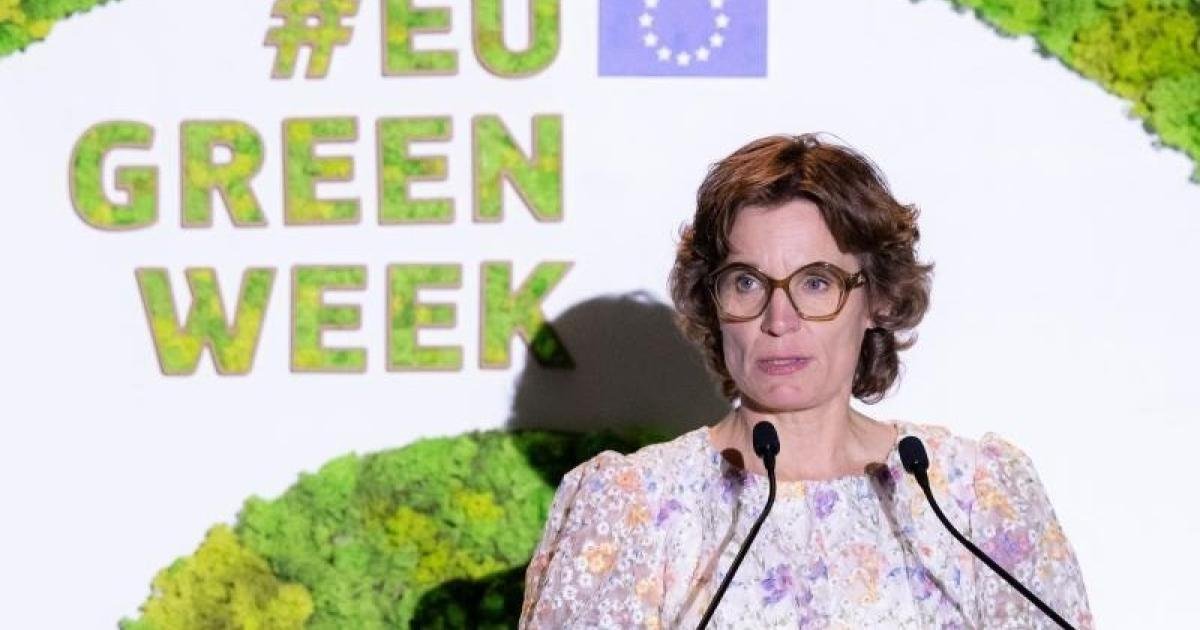
As I made clear at the opening of Green Week, a growing consensus is emerging: “Ecosystems are the infrastructure that prop up all other infrastructure.”
The economic case is undeniable. Climate and biodiversity inaction are already a massive drain on Europe’s economy; extreme heatwaves, severe droughts, and destructive floods cost the EU billions last summer alone, with costs expected to soar to well over €100 billion by 2029.
While the returns on nature restoration are compelling, every single euro invested in restoring degraded ecosystems generates up to €38 in economic returns. Simply put, there is no such thing as a competitive economy on a climate-stressed planet, nor lasting security in a volatile world.
Europe is already investing. The EU has set an ambitious target for biodiversity financing in our current EU budget, and our proposals for the next one consolidate our targets.
However, public money alone cannot close the gap. This is why we are looking at new innovative financing models like nature credits. For the first time, we are rolling out a framework at European level, exploring ways to reward actions that restore ecosystems, improve soil health and strengthen biodiversity, while providing investors with confidence, transparency and credibility.
But success depends on flexible, well-implemented policies that bring all partners to the table. Without farmers, investors, business leaders, conservationists, scientists and policymakers, the EU cannot deliver on the ground.
It was important for Green Week to bring together all these stakeholders. We connected eco-startups, projects, and SMEs specialising in nature-based solutions with private investors and public funding bodies through the ‘Re:Invest in Nature‘ matchmaking marketplace.
From smart tools that assess soil health to ocean cleanup projects backed by programmes like BlueInvest, the event proved that nature-tech is emerging as a promising and increasingly investable sector.
Across two days of discussions, we also saw practical examples of how working with nature creates value on the ground: through regenerative farming that improves both resilience and profitability, forest restoration that reduces wildfire risk, and urban greening projects that improve public health while lowering the cost of dealing with extreme weather.
The transition to a nature-positive economy is not yet mainstream, but we are opening the path to unlock opportunities and tackle remaining challenges.
From closing investment gaps and creating credible market frameworks to building public support and translating promising examples into large-scale policy and economic change. Green Week showed that these conversations are no longer taking place at the margins.
More and more businesses, investors and public authorities view nature not simply as an environmental concern, but as a strategic economic asset.
While the main stage in Brussels has closed, throughout June, hundreds of partner events continue across the continent. Together, they explore one of the defining questions of our time: how to build an economy that grows with nature rather than at its expense.
The direction is clear. Now let’s turn this growing momentum into a lasting transformation.
Jessika Roswall is the European Commissioner for Environment, Water Resilience and a Competitive Circular Economy.