





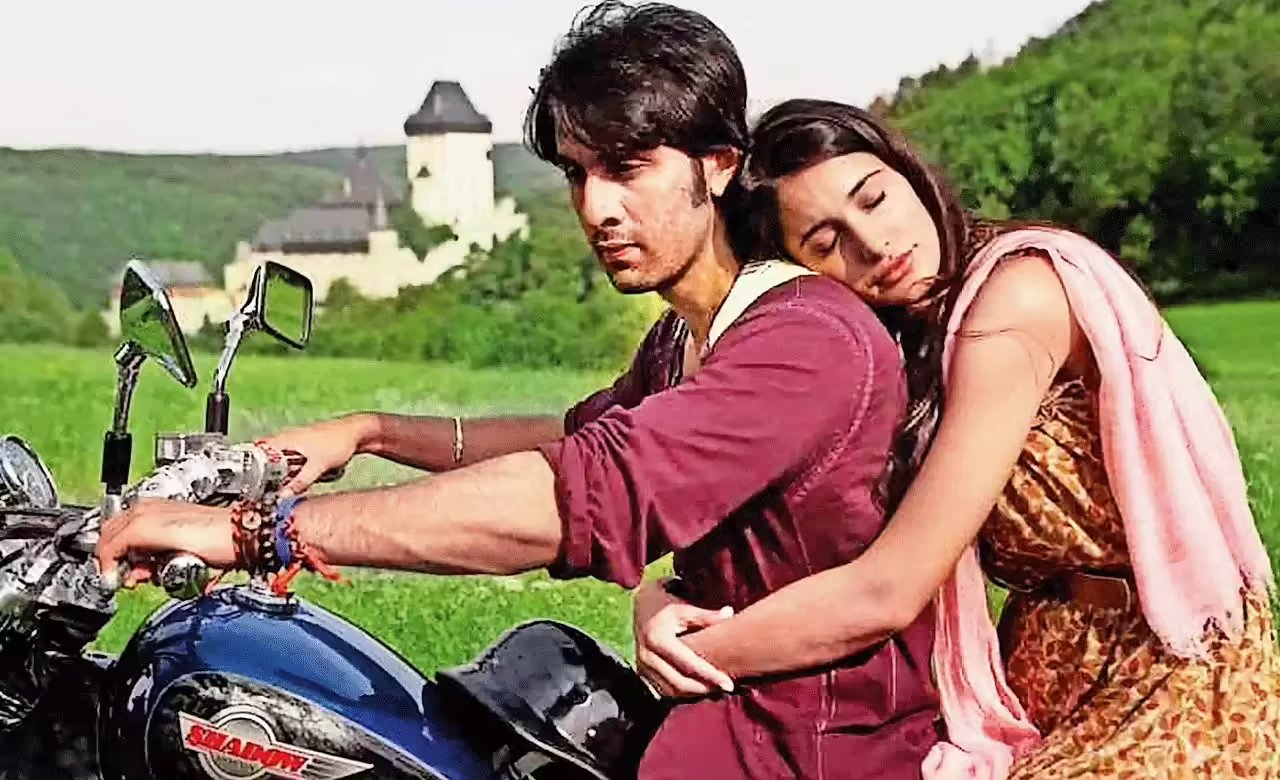
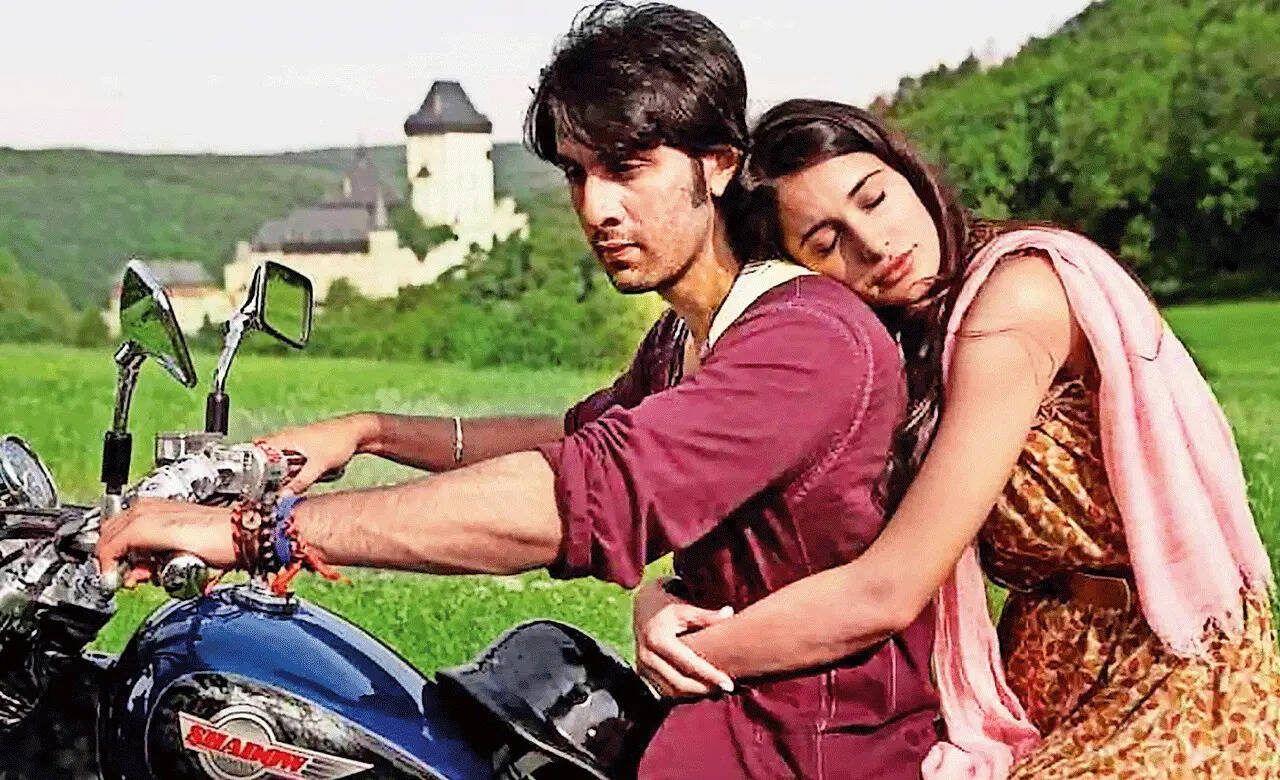
A still from Rockstar
So, you’re finding your answers through movies, characters, stories?I don’t think I’ve found anything from my movies (laughs).And you insist you aren’t a romantic? You have this image of being a romantic, a bit of a philosopher, too…I am not. These words like romantic, philosopher and all of that sound very boring to me. I don’t know why I have this image. Tell me, how do I break this image?
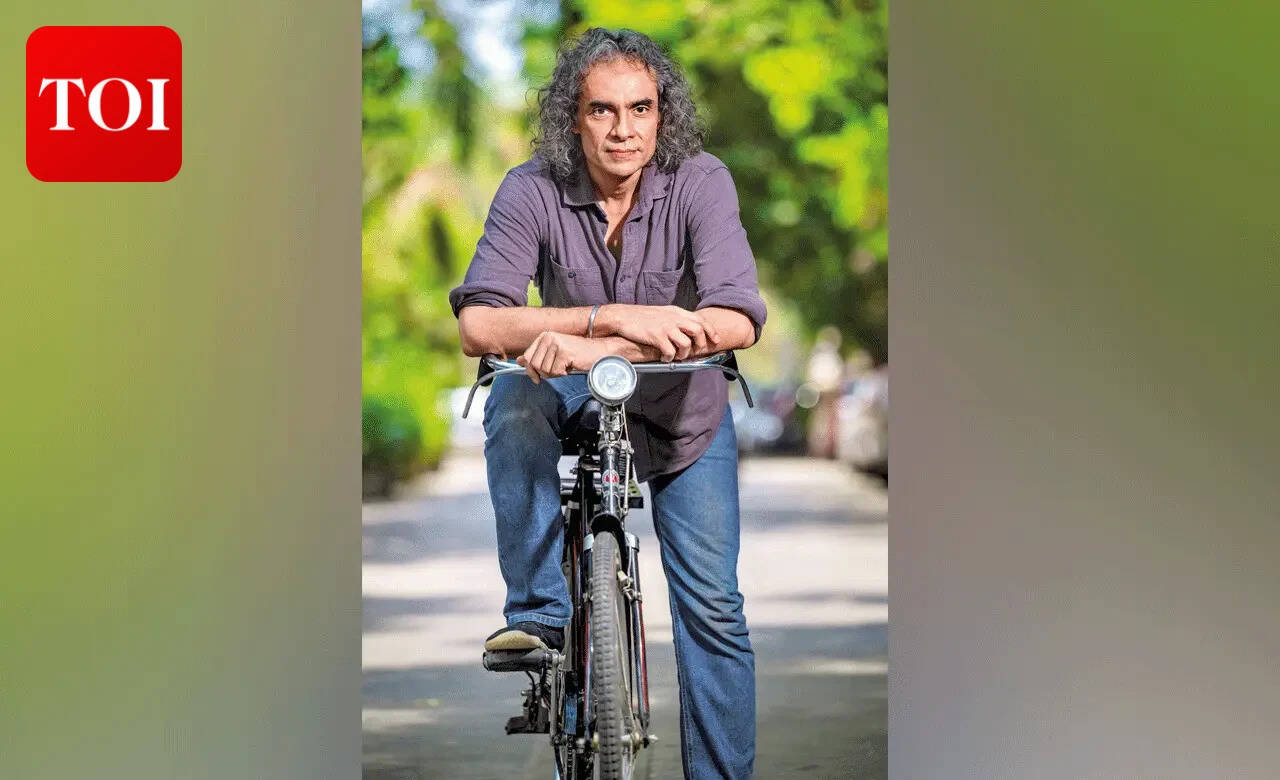
Imtiaz Ali, while talking about love, says he does not think it can exist without heartache
Music in your cinema isn’t just something that happens in the background or around the story – it forms a character. It adds to the emotional rhythm, literally. You seek something from music emotionally that dialogue alone cannot achieve?Oh, I love the work of music. I don’t listen to music too much, but I’ve always been a fan of music in films – whether it’s being part of the making of the song, the background music or shooting to music. The biggest thrill of shooting for me is when music plays on a set. I am the director who prays every day that we are not forced to reduce or remove music from films. For romantic movies, sometimes we connect to the music first and then the story.This is your second collaboration with Diljit Dosanjh after the much-acclaimed Amar Singh Chamkila. He has an interesting emotional quality about him; he can appear really vulnerable, restrained with a certain kind of power. How do you direct someone like him?He has somehow kept himself pure. He’s connected to himself and for that reason, he has not done many things that other people do. He is not like an actor who’s standardised in a certain way he lives. He doesn’t care for the obvious things, but some other things. Like, when we were starting out with Chamkila, we had to postpone the shoot, because of which one and a half months of his dates got wasted. I called him and told him about the problem. He said, ‘Koi nahi paaji. Main chala jaunga. Main solo trip pe chala jaunga pahadon mein. Problem hi nahi hai. Meri taraf se toh ho gaya.’ I said, ‘Lekin aapke days waste ho gaye.’ He said, ‘Arey, waste thodi hote hain dates. Mujhe jaana tha pahadon mein, toh solo trip pe chala jaata hoon.’ So, he went ahead and did whatever he wanted.
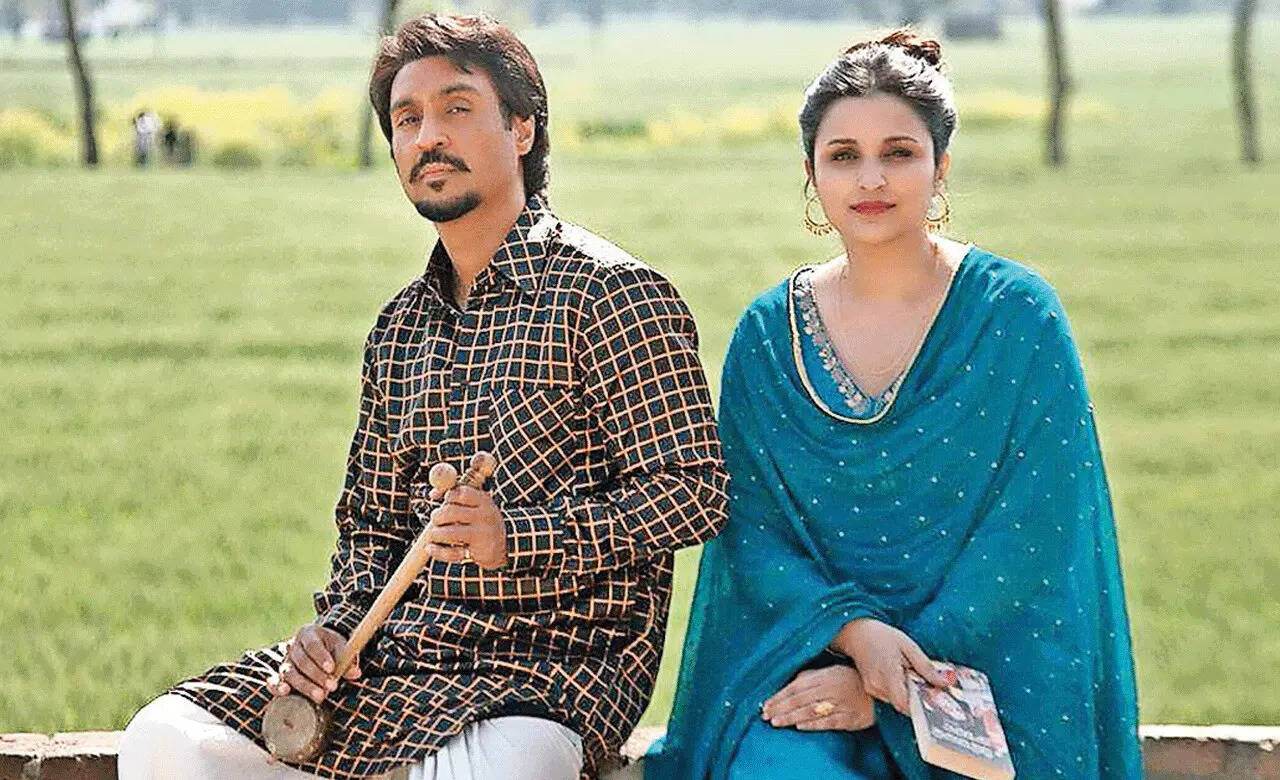
A still from Amar Singh Chamkila
You’ve made generational love stories and worked with actors across generations. Today, in a world that is increasingly instant, performative and filtered, do you think people still crave the purity and beauty of truly connecting with another person?I feel you can be very lonely in the present world. There is so much noise all around us that it’s difficult to talk and communicate. I believe this generation is seeking much more than before. For instance, today getting intimate with a girl or a guy is not difficult. Previous generations were distracted by the thought, as they knew that they would get intimate after marrying the person. Now that happens early on, they get over it and they aren’t lusting anymore. Lust is out of the park. What this generation is seeking is pure. They are digging deeper and are truly trying to find meaning. It’s just that they are very lost.How do you protect your own sensitivity in an industry that can often become transactional and noisy?I believe that the film industry is actually better than most other places in the world, because there are drifters and dreamers here. And no matter how smart they pretend to be, at the end of the day, all of these great guys in the film industry who talk about numbers and all of that, they are basically dreamers and drifters. What they want to do is to huddle somewhere and talk about cinema (laughs). This is what I have realised. Otherwise, it wouldn’t be possible for a rank outsider like me to be here. It must have been the kindness of some people that gave me my first step, my first break, right? The world is what it is, but I feel that the film industry is better, really, than most of the other parts of the world.Your cinema generally revolves around the idea of yearning, not just from the point of view of yearning for romantic love, but yearning to come into yourself, to become someone else. What was the starting point for this film Main Vaapas Aaunga?There was a point when I went home to the place which I call home, which was just a company quarter in Jamshedpur where I grew up. My earliest memories are from there. It was a rented place, but every time I think of home, I think of that place. One day, I went back there with my dad and I got so overwhelmed, I just went straight inside the house and in the courtyard, and obviously the present occupants found it strange. The courtyard had changed; that whole area seemed like it had changed, and something came over me, and I broke down. I never cry, in fact, my mother feels there’s something wrong with my system. But I broke down. I kept asking myself…what happened here? There was this sense of loss, but it’s not as though I’ve lost something.
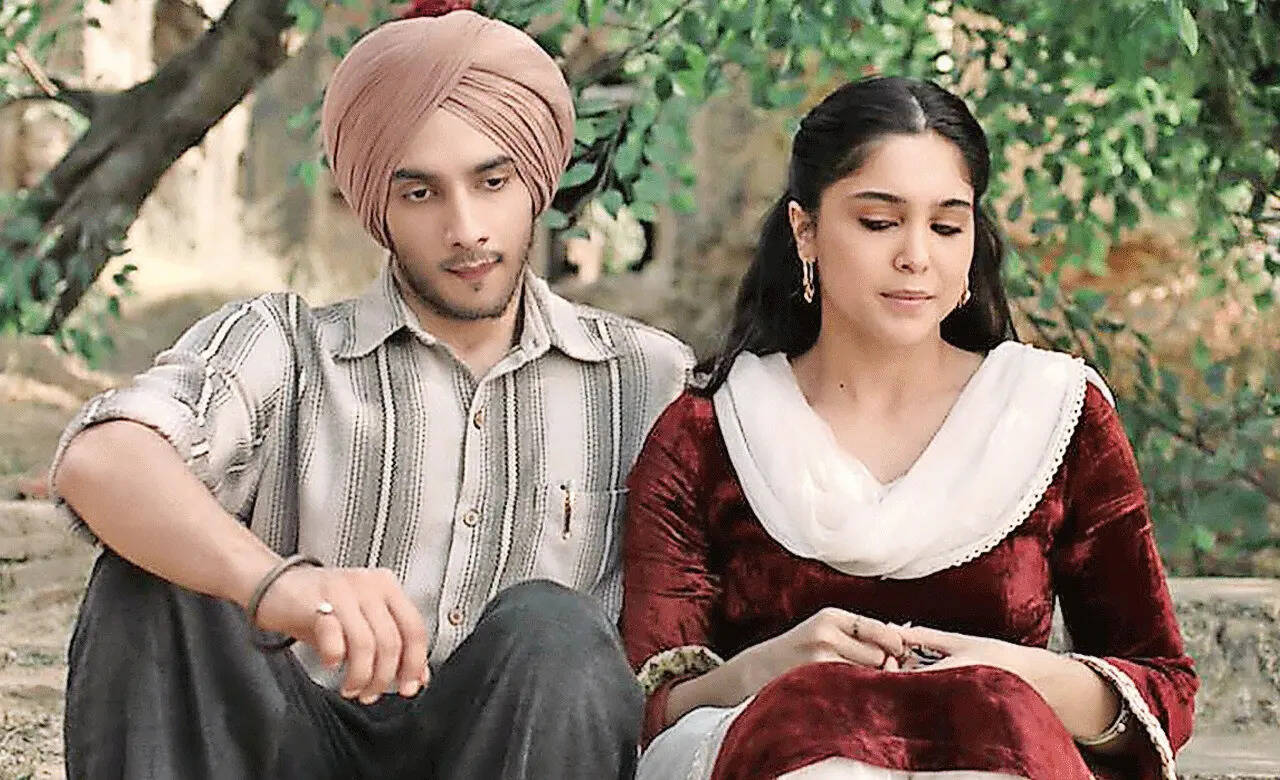
A still from Main Vaapas Aaunga
Love portrayed in your films is rarely idealistic. It’s messy, transformative and often heartbreaking. Do you think our cinema still struggles to portray emotionally complex relationships with honesty?For me, it’s impossible to show something clean and perfect because I would have no reference. If you asked me to make a clean love story with no heartache, I wouldn’t know where to begin because I’ve not seen it in my life, and I don’t think it exists. I don’t go out to make love stories, really. I make stories where people have various emotions and I follow those characters and see where they come at. And sometimes, of course, there’s an echo of what I’ve seen and felt, since I don’t draw from cinema as inspiration, I draw only from life as inspiration. Yes, I feel relationships are messy sometimes. They have the potential to be messier if the film duration were longer.Now we’re slowly going back to longer films…Thank God for Dhurandhar. We are allowed longer films now (laughs).
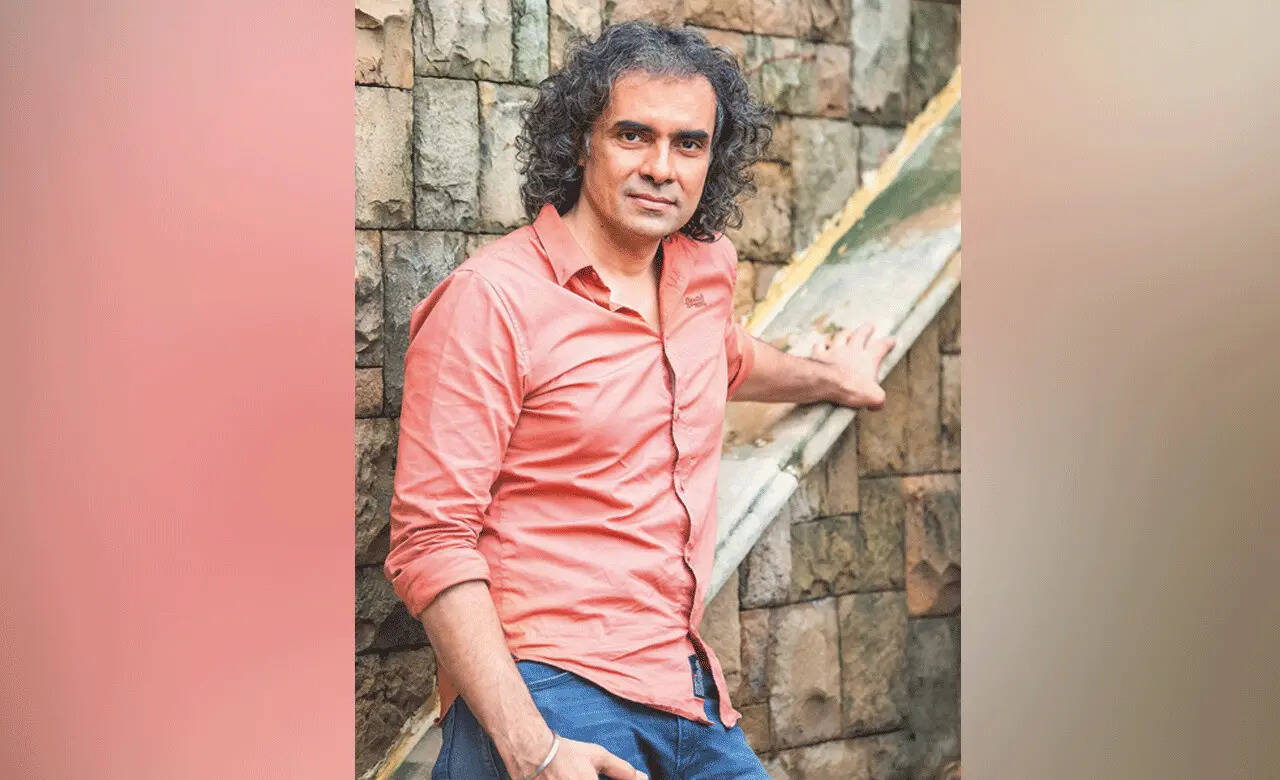
Imtiaz Ali believes true freedom comes from surrendering completely in matters of the heart
In Bollywood, at one time, romantic films were celebrated as spectacle films, today, action seems to occupy that space. Do you think filmmakers should make more romances for theatrical viewing?I don’t think that era of romances can go away. A prominent producer recently told me, ‘Imtiaz ji, good love stories always run. If there are more action films being made, then that is the time to make a good love story.’ I think that is true. There will always be a Qayamat se Qayamat Tak, and suddenly, you won’t even remember the other movies around you. I’m not saying that films of other genres are not good, but somehow, the memorability of a Qayamat se Qayamat Tak or Maine Pyar Kiya is much more.