







David Barton is a conservation consultant and writer, advocating for traditional vernacular architecture
I have begun this series leading with a circumferential topic that transcends multiple parameters and which could be pivotal to the country’s future.
Many of us will have observed a majestic building on our everyday journeys that has either ceased functioning or, in some cases, physically disappeared entirely from the landscape over the last decade. For me, this has been a key driving force for pursuing an interest in community campaigning.
Perhaps this was a municipal building, such as a Town Hall, a public house, or even a complex of buildings combining multiple purposes, such as a Church or Community Centre. The most typical of these are lone-standing decorative detached buildings that have become symbolic of a particular time of your life, whether part of the daily School or Work commute. For me personally, travelling to Secondary School across various conurbations through Sefton, I would observe many local landmarks ranging from private estates to converted manor houses that would serve as key milestones in this once essential route still traversed by many today.
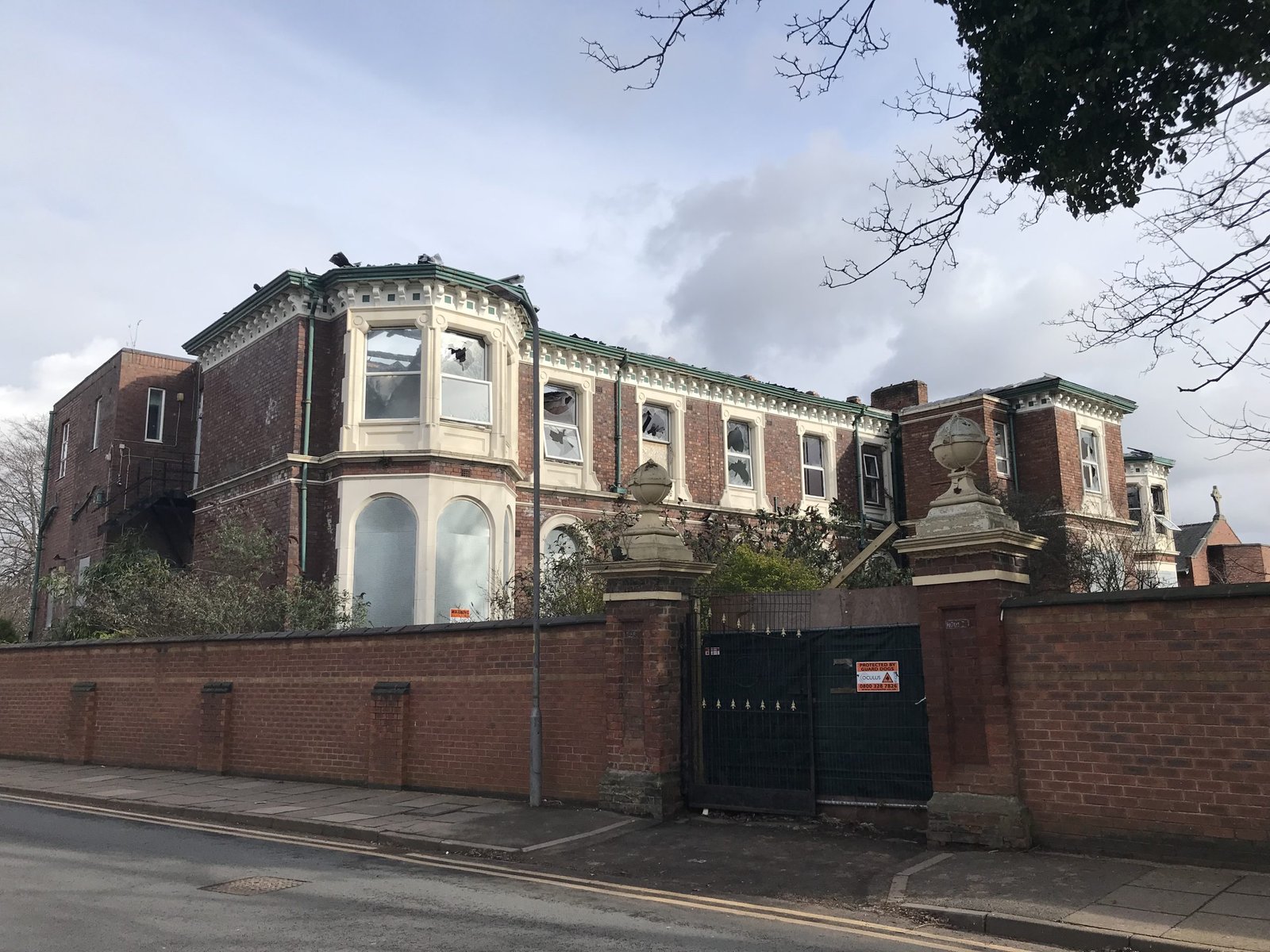
One prime example is Crosby Park House- a beloved former family home that saw multiple uses over time including as a private residence for a corn merchant and his family, a convalescent home, and guest accommodation alike, since its inception in 1878 and from which the surrounding Park Road area is believed to have derived its namesake. Unfortunately, this remarkable building and its surrounding curtilage and grounds which included a vast tree canopy, pond and open garden were privately sold by the Local Authority to Builders that have since demolished the site despite much objection locally and various offers to reutilise the site as it was.
Increasingly since 2020, many such places have begun to follow a similar precedent, whereupon local authorities have been increasingly selling on assets to satisfy annual budgets and spending programmes which has led to entire districts losing their landmark buildings, including those from which the areas were named after. This has become a concerning trend across the entirety of my Borough.
Crosby Park House is a case study of where both greater action and legislation is required to counter the danger of demolition – be this though alternative use campaigns, Heritage status enquiries, working alongside recognised heritage organisations; raising awareness to parallel Commercial Civic restorers (CCRs); and latterly providing actual incentives to authentically restore and reutilise a site such as this one even if this ensured ultimate closure to the public through conversion to residential accommodation. It should be noted that whilst I undertook extensive energy and effort culminating in a CCR that was ready and primed to take on this and another nearby site, this offer was ultimately declined by the construction company, who chose not to engage whatsoever.
I am therefore drawing two inferences coupled with the above suggestions outlined just before. Firstly, I am recommending that both Central Government and the Opposition legislate for a moratorium on the selling of historic civic assets (Pre 1950) by councils with an alternative CCR Programme that will ensure the retention of these elegant yet essential structures for generations to come. Where a Heritage Site such as this one has been lost, I would also advocate that this is actively reconstructed to meet actual Net Zero Targets whilst providing the actual purpose of delivering the desired use be this as another residence or accommodation. Secondly, I am recommending that members more actively engage with their local structural fabric by getting involved positively and constructively with historic property owners and avoiding the tactics deployed by the Opposition of waging warfare with them which from personal experience has led to extremely challenging situations when house builders purchase these sites.
The Conservatives can make a crucial difference to their communities in this chapter by actively engaging with their local authorities and writing to Central Government requesting the above legislative changes to be made as soon as possible. Whilst this is a much longer-term goal, they can still proactively defend their built historic environment by working with their local authorities through open consultations, professionally raising questions at council meetings and forging their own networks of trusted CCRs ready to step in where a building may be otherwise at risk of demolition.
Whilst we may have had the pleasure of passing, visiting or using one of these historic buildings ourselves at some point in our lifetime, irrespective of our position in society, it is now more crucial than ever to act and live by our namesake and champion our villages, towns, cities and boroughs. Only by making a tangible difference will we be taken seriously by the electorate. Be it Crosby Park House we have to work early and collaboratively together if we are to ensure the greatest net success. Face to face communication and digital / electronic messaging are all key facets to attaining success.
Finally by taking dual positive and constructive action in protecting our built historic environment through the ways that I have outlined, this will ensure one of the single if not the biggest impacts that anyone can make to their community.