![VishWanath And Sons Full Movie Collection: 'Vishwanath And Sons’ box office collection day [Live]: Suriya and Mamitha Baiju starrer faces usual weekday slowdown, surpasses Rs 90 crore in India | Tamil Movie News](https://dailysamchar.in/wp-content/uploads/2026/08/1787218640_photo.jpg "VishWanath And Sons Full Movie Collection: ‘Vishwanath And Sons’ box office collection day [Live]: Suriya and Mamitha Baiju starrer faces usual weekday slowdown, surpasses Rs 90 crore in India | Tamil Movie News")





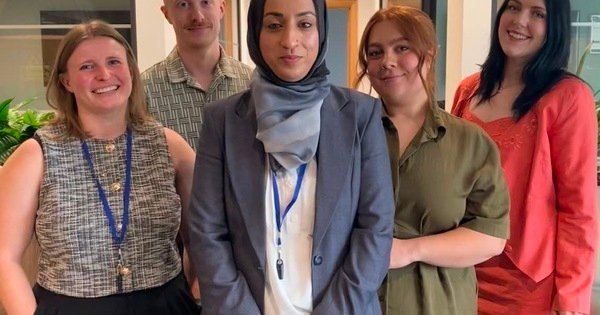
The fifth and final challenge of the LG Challenge 2026 programme brought participants to Cheshire West and Chester Council in early June, where the focus shifted onto one of local government’s most complex issues: how to balance climate resilience with economic growth. Centred on the ‘Origin’ industrial zone, a nationally significant area home to major energy, logistics and manufacturing assets including the Stanlow oil refinery and as a key contributor to the UK’s net zero ambitions through hydrogen production and carbon capture and storage. The brief challenged teams to develop a long-term approach to managing flood risk and water demand.
Setting the scene with briefings from council Leader Cllr Louise Gittins and chief executive Del Curtis, before the formal challenge was set by senior place and climate leaders, contestants were immersed in a tightly structured programme designed to mirror the realities of local government policymaking and place-shaping, including stakeholder panels, technical interviews and a roundtable session to test proposals.
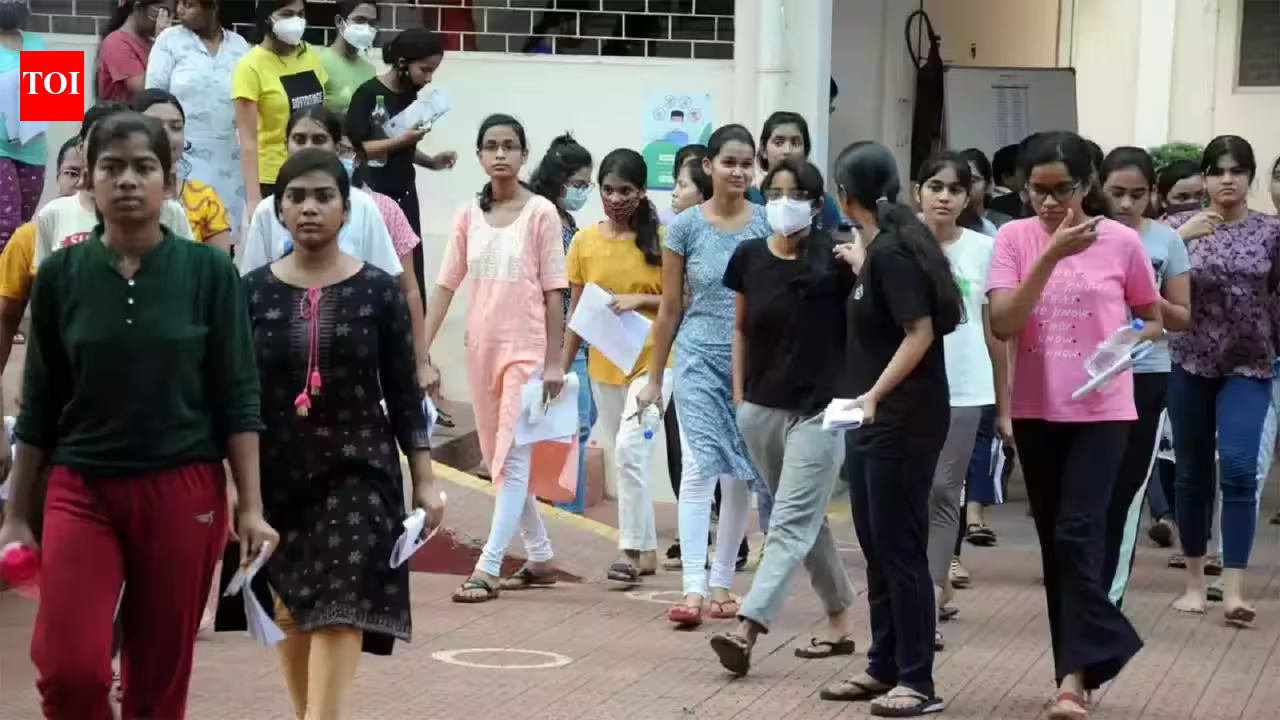
This was a highly technical brief, and a fitting test for the contestants in their final challenge where they heard from the broad range of experts brought in to share their knowledge – from environment and planning to utilities and wildlife. The brief required the cohort to think on a range of levels. Rooted in the acute local impacts of climate change, the cohort discussed the summer droughts and winter flooding that the local area had experienced in the context of water demand and upcoming changes to abstraction and drainage legislature and regulation. Looking holistically at infrastructure and climate change, the teams needed to consider the area’s national significance balanced with local environment, businesses and communities. Both teams worked quickly to get a technical understanding of the scenario before taking a step back to develop the models and innovative solutions that they believed could benefit the council and local partners.
Within 24 hours, the teams had prepared both a written policy paper and a 10-minute presentation for a senior judging panel-followed by rigorous questioning on deliverability and impact.
The two teams – Paradigm, captained by Nadia Hussain (City of Bradford), and Athena, captained by Claire Goldsworthy (Cornwall Council) – set out contrasting but complementary approaches to the challenge.
Team Paradigm’s proposal, “Resilience is Growth,” framed flood resilience, water security and economic development as a single, integrated programme. Their approach centred on a ‘one catchment, one plan, one investment logic’ model, positioning the council as a convenor – aligning regulators, industry, landowners and communities behind a shared long-term vision.
As the concluding task in the 2026 programme, the Cheshire West and Chester challenge brought together many of the themes explored throughout the series: systems leadership, partnership working and long-term strategic thinking under pressure.
Key elements included the creation of a Resilience and Growth Partnership Board, development of an integrated investment pipeline, the establishment of a Mayoral Development Zone to accelerate delivery and a virtual reality element to bring the vision to life for all. The team emphasised early, visible ‘no regrets’ projects, particularly nature-based solutions funded through a proposed public–private investment fund as a way to build momentum and investor confidence.
Team Athena’s proposal, ‘Capture the Future 2050,’ similarly emphasised long-term, partnership-led transformation, but placed particular focus on creating a shared vision and governance model to align stakeholders. At its core was the creation of a multi-agency partnership board bringing together the council, regulators, utilities, landowners and environmental organisations.
Athena’s plan set out a roadmap combining land and water management, skills development and innovation, including proposals for a circular water economy, community-led flood preparedness and a long-term innovation ecosystem.
Their vision extended to establishing the Origin area as a global leader in green technology and climate resilience, with milestones spanning nature-based solutions in the short term through to major engineered infrastructure and systemic innovation over the longer term.
Both approaches recognised the council’s critical role as a convenor-aligning competing interests, sequencing investment and creating the conditions for long-term collaboration. For the fifth and final instalment of the 2026 LG Challenge, it was Team Paradigm who took the win with their phased strategy extending over 30 years, moving from partnership-building and pilot interventions to large-scale infrastructure investment and, ultimately, a fully integrated model of industrial growth and environmental enhancement.
As the concluding task in the 2026 programme, the Cheshire West and Chester challenge brought together many of the themes explored throughout the series: systems leadership, partnership working and long-term strategic thinking under pressure.
The event also marked the announcement of the four overall finalists for 2026. Harrison Giles (Norfolk CC), Nadia Hussain (City of Bradford), Shannon Kennedy (Wirral Council), and Victoria Lewis (Bolton Council) will go on to compete for the prestigious Bruce-Lockhart Scholarship at the Local Government Association’s Annual Conference in July.
Michael Barrett & Virginia Ponton, Leadership & Talent, Local Government Association