








Artificial intelligence (AI) has quietly become part of everyday life, embedded in everything from smartphones to public services.
Whether recognised or not, most people now interact with AI daily. As its use accelerates, so too does the need for the infrastructure that powers it: data centres. These facilities underpin modern digital services, hosting the servers and systems that enable cloud computing and AI technologies.
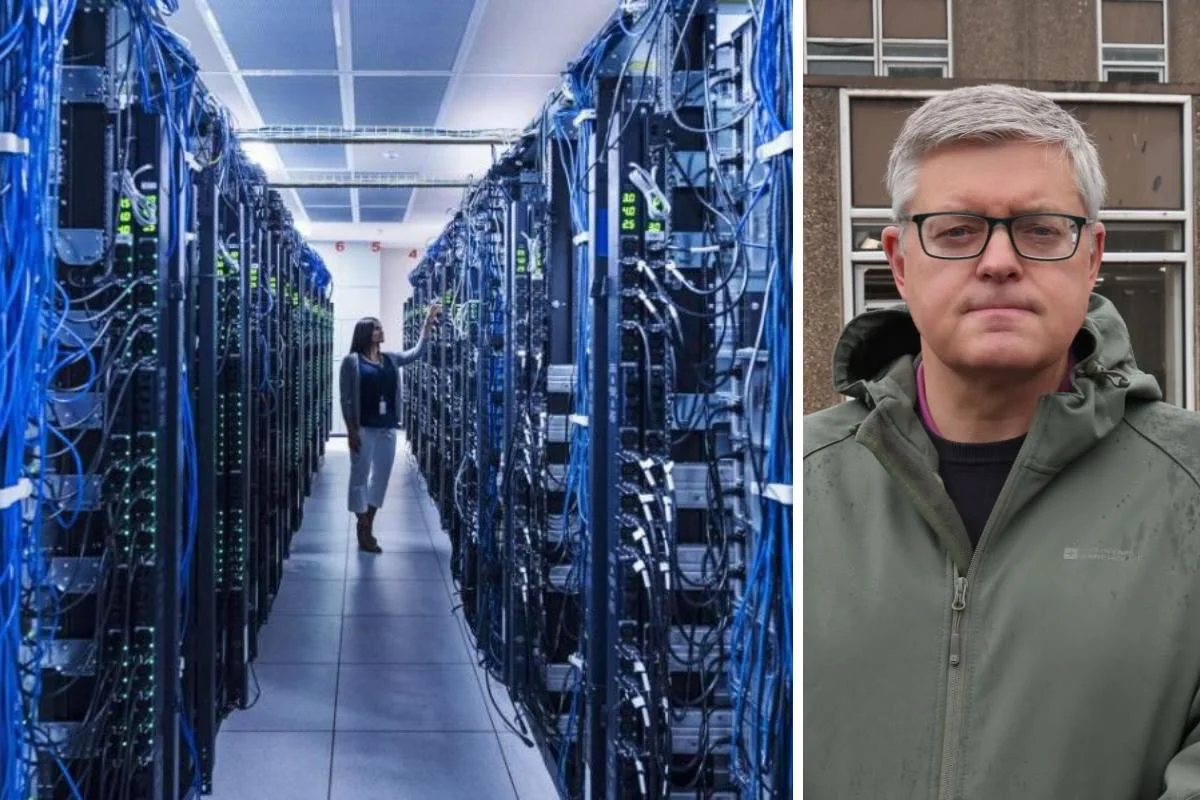
Data centres are not new, but their scale and importance are rapidly expanding. From small server rooms in office buildings to vast ‘hyperscale’ facilities run by global providers such as Amazon, Microsoft and Google, they form the physical backbone of the digital world.
READ MORE:
MSP calls for plans to build AI data centre at Spango Valley to be halted
Inverclyde hydro-electric scheme granted planning permission extension
Easdale brothers explain why they scrapped £100m plan to build homes at Spango Valley
Battery energy storage site near Port Glasgow gets green light from councillors
Planners say council should stay opposed to bid for huge battery energy storage site
Yet this growth brings significant challenges. Chief among them is energy consumption. Globally, data centres already use vast amounts of electricity – comparable to that of major nations – and demand is expected to rise sharply. In the UK, they account for around 2.5 per cent of electricity use, a figure projected to increase substantially by 2030. If powered by fossil fuels, this expansion risks driving up greenhouse gas emissions.
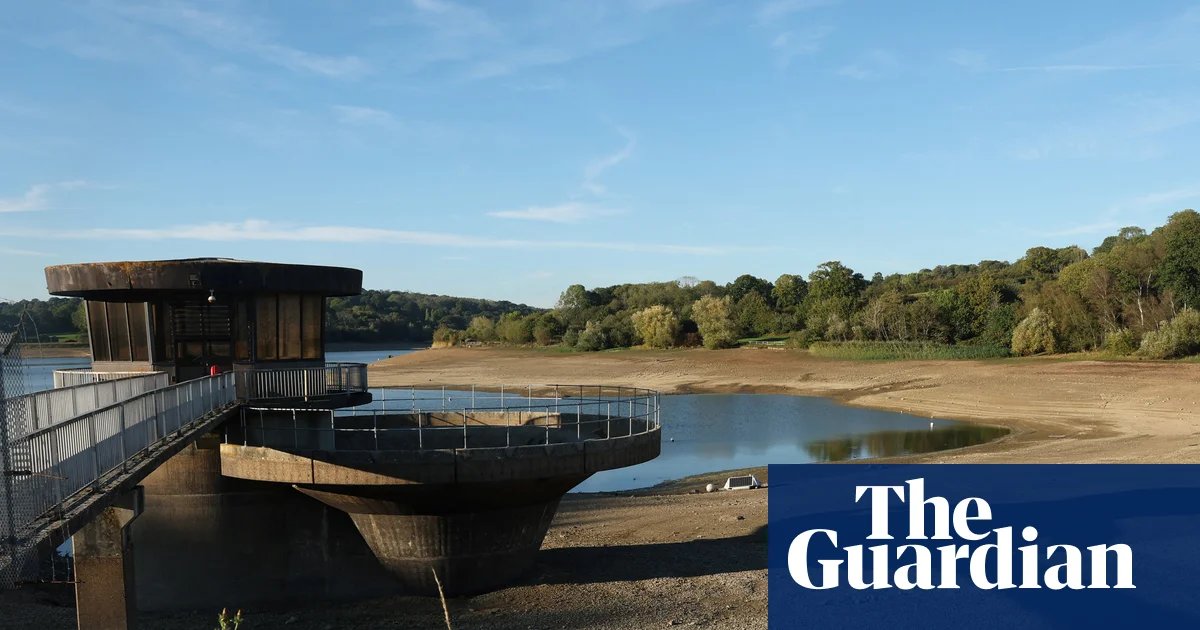
Water usage is another concern. Large facilities require substantial cooling, sometimes consuming millions of gallons daily. On a global scale, AI-related water demand could rival the domestic needs of billions of people. In areas like Inverclyde, where water resources are abundant, this may attract developers – but it also raises questions about sustainability and environmental impact.
(Image: Archive)
There are potential advantages. Scotland’s strong renewable energy capacity could make it an attractive and environmentally responsible location for data centres. Locating these energy-intensive facilities near renewable sources could reduce reliance on fossil fuels while improving grid efficiency and lowering costs for consumers.
However, this would require careful long-term planning to ensure sufficient renewable generation without compromising supply for homes and businesses.
READ MORE:
Council officers recommend plans for £32m energy park in Port Glasgow are rejected
Martin McCluskey: I want to see more clean energy jobs coming to Inverclyde
Inverclyde councillors narrowly vote to oppose battery plant
Fire and toxic chemical fears ‘should not block battery energy bid’, say officials
Inverclyde Council launches AI chatbot Clyde to give residents a helping hand
Locally, communities may experience impacts such as noise, light and air pollution, like other large industrial developments. Land use and electronic waste also present environmental considerations.
However, these effects are not inevitable. Advances in efficiency, sustainable design and renewable energy integration are helping to mitigate the footprint of modern data centres.
(Image: Yui Mok/PA Wire)
Ultimately, AI data centres are not inherently harmful, but their rapid expansion demands scrutiny. For areas, like Inverclyde, seeking investment and jobs, the key question is not whether to embrace such developments, but how to ensure they’re delivered responsibly – balancing economic opportunity with environmental stewardship and community wellbeing.
I therefore welcome the decision taken at the SNP‘s National Council held in Port Glasgow on Sunday to implement a moratorium on data centre projects.
It now provides the Scottish Government the time to clearly define green data centres and to devise a strategy that works for Scotland.