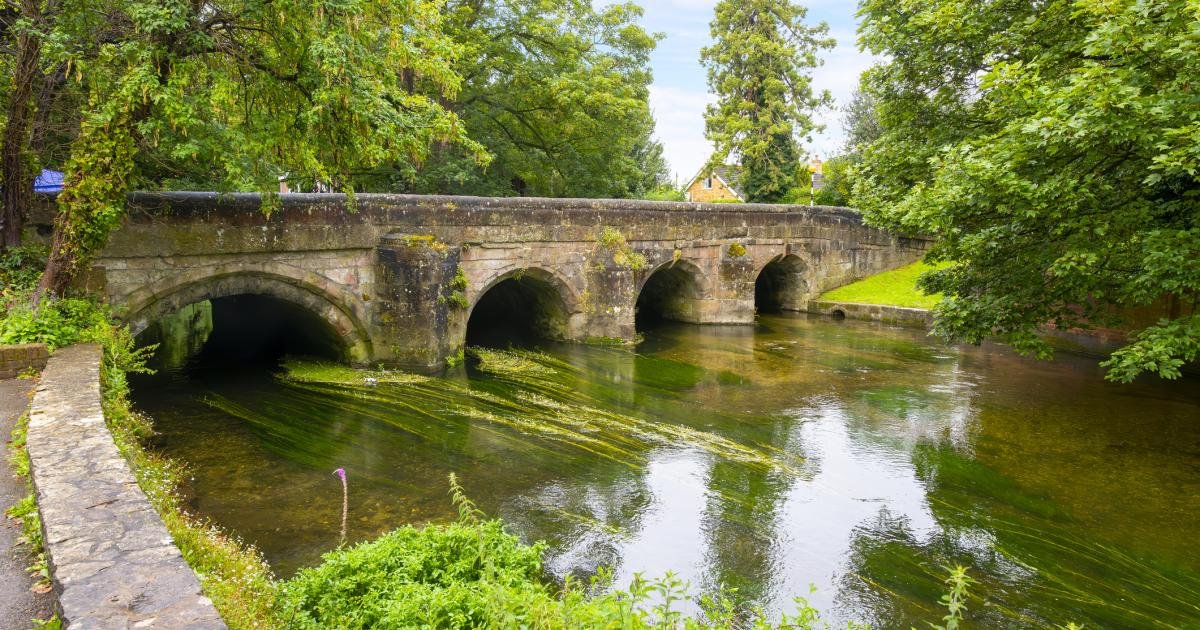









On one of the longest days, my mum and I walk through Warwickshire countryside near her home beneath the flight path of Birmingham airport. The planes are loud enough that we have to pause our conversation as they thunder overhead. This is second nature to Mum but it’s jarring for me, especially as the landscape looks as if it might have remained the same for hundreds of years. We traipse tracks worn by time, people and wildlife, shaded by gnarled oaks and flanked by un-flailed hedges that burst with life. It feels peaceful, bucolic, ancient. Then the sky fills with a jumbo jet and the present hits us with a bang.
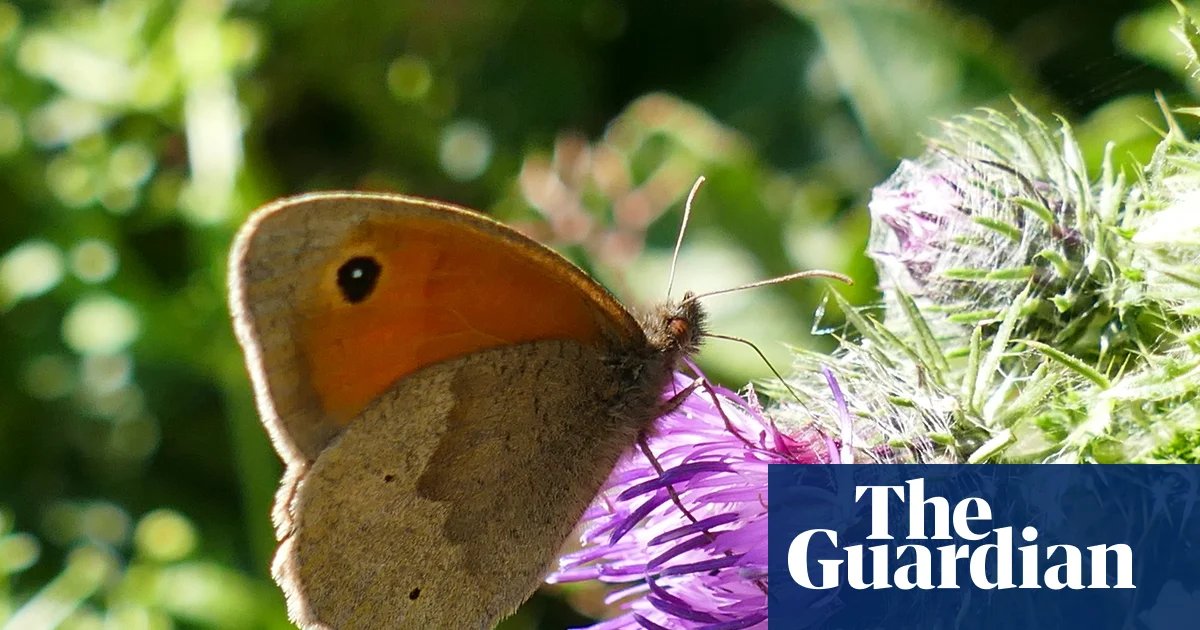
Amid the din, we make out chiffchaffs and great tits, robins and yellowhammers. Grasses reach up to my shoulders but are as tall as my much shorter mum, and sometimes I lose her in them. I get lost in them too, as meadow brown butterflies dance for a mate and I stop to greet each one of them.
It’s been an odd year for butterflies so far: alternately too hot or too wet and windy for them to fly well. I hoped the May heatwave might bring some out of hibernation, but when the wind returned all hopes were dashed. On the allotment, where long grass abounds, I’ve seen a smattering, but it’s not until Mum and I walk through past and present on an early day of summer that I have my meadow brown moment. Because a smattering isn’t enough: this is a species to be seen and enjoyed by the hundred. A meadow isn’t a meadow without a party of brown butterflies bouncing around the fescues, bents and meadow grasses the females lay their eggs on.
Mum walks on ahead and I lose her again in the haze. I follow a meadow brown in its never-ending dance and rejoice when it finally stops for a sip of bramble nectar. I creep up slowly, taking photos as I move, each time achieving a closer shot. Later at Mum’s, I check it: it’s perfect. Worth being lost in the grass.