







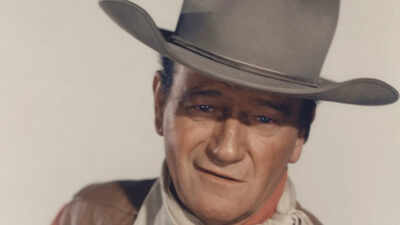
John Wayne passed away on June 11, 1979, but the world has never quite been able to let him go. The John Wayne: An American Experience museum at the Fort Worth Stockyards, a 14,000-square-foot exhibition featuring costumes from his films, personal scripts, a firearm collection, and his 1970 Academy Award for Best Actor, continues to draw visitors from across the country. Its director describes it as a space where people get closer to the person who helped them make a better decision in life or guided them through difficult times, as reported by the Fort Worth Report. The 46th anniversary of his passing has prompted renewed reflection on his extraordinary legacy. His seven children, many of whom followed him into the industry, keep his name and values very much alive today. And through it all, a line he delivered in 1973 as a weathered Civil War veteran in ‘The Train Robbers’ continues to travel further than almost anything else he ever said on screen.The quote of the day reads, “You’re gonna spend the rest of your life getting up one more time than you’re knocked down, so you better start getting used to it.”
Meaning of the quote of the day by John Wayne
John Wayne delivers this line as Lane, a seasoned Civil War veteran, in ‘The Train Robbers,’ released in 1973. The moment arrives when a younger, less experienced partner named Ben Young confesses his deepest fear: that when a real gunfight begins, he might turn and run. He is not asking for reassurance that he is brave. He is admitting, honestly and vulnerably, that he does not know if he is. And Lane’s response is not comfort in the conventional sense. It is something harder and more useful.
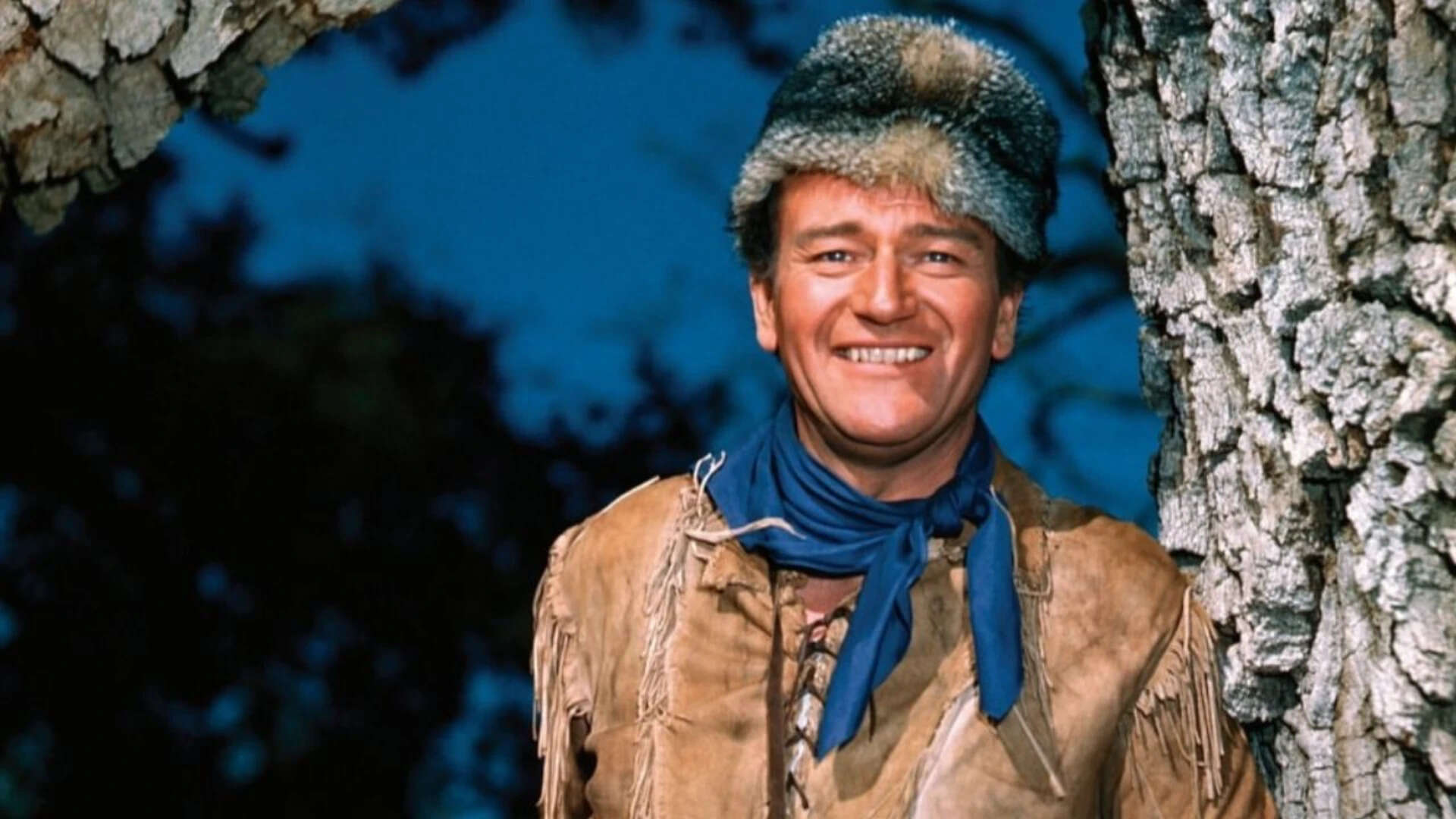
As Lane in The Train Robbers, John Wayne delivered a powerful message about perseverance that continues to resonate with audiences.Image credit (Instagram)
The line does not tell Ben that he will not be knocked down. It does not promise him that the road ahead will be manageable or that fear will disappear with experience. It acknowledges, directly and without softening, that he is going to be knocked down. The question is not whether the knockdown comes. It is what he does immediately afterwards.Getting up one more time than you are knocked down is, mathematically, the only formula that matters. It does not require you to never fall. It does not require you to fall less than other people, or to fall more gracefully, or to make the falling look easy. It requires only that after every single knockdown, you find a way back to your feet. And because that is the only requirement, it is available to everyone, regardless of how many times the floor has been their closest companion.The phrase “you better start getting used to it” is the part that elevates the line beyond ordinary motivation. It is not offering Ben Young a one-time solution to his fear. It is describing a permanent condition of a life lived with any kind of seriousness or ambition. This is not going to stop. The knockdowns are not a phase. They are a feature. And the sooner you understand that getting back up is simply what you do, not what you do on special occasions or in moments of particular strength, but what you do as a reflex, the better equipped you will be for every fight that follows.The Wayne screen message seemed consistent across all his roles: a man’s first commitment must be to his duty as his inner instincts define it, regardless of what his peers say. The Train Robbers line is perhaps the purest distillation of that message, stripped of frontier mythology and delivered with the quiet authority of a man who had seen enough to know that resilience is not a personality trait. It is a practice.
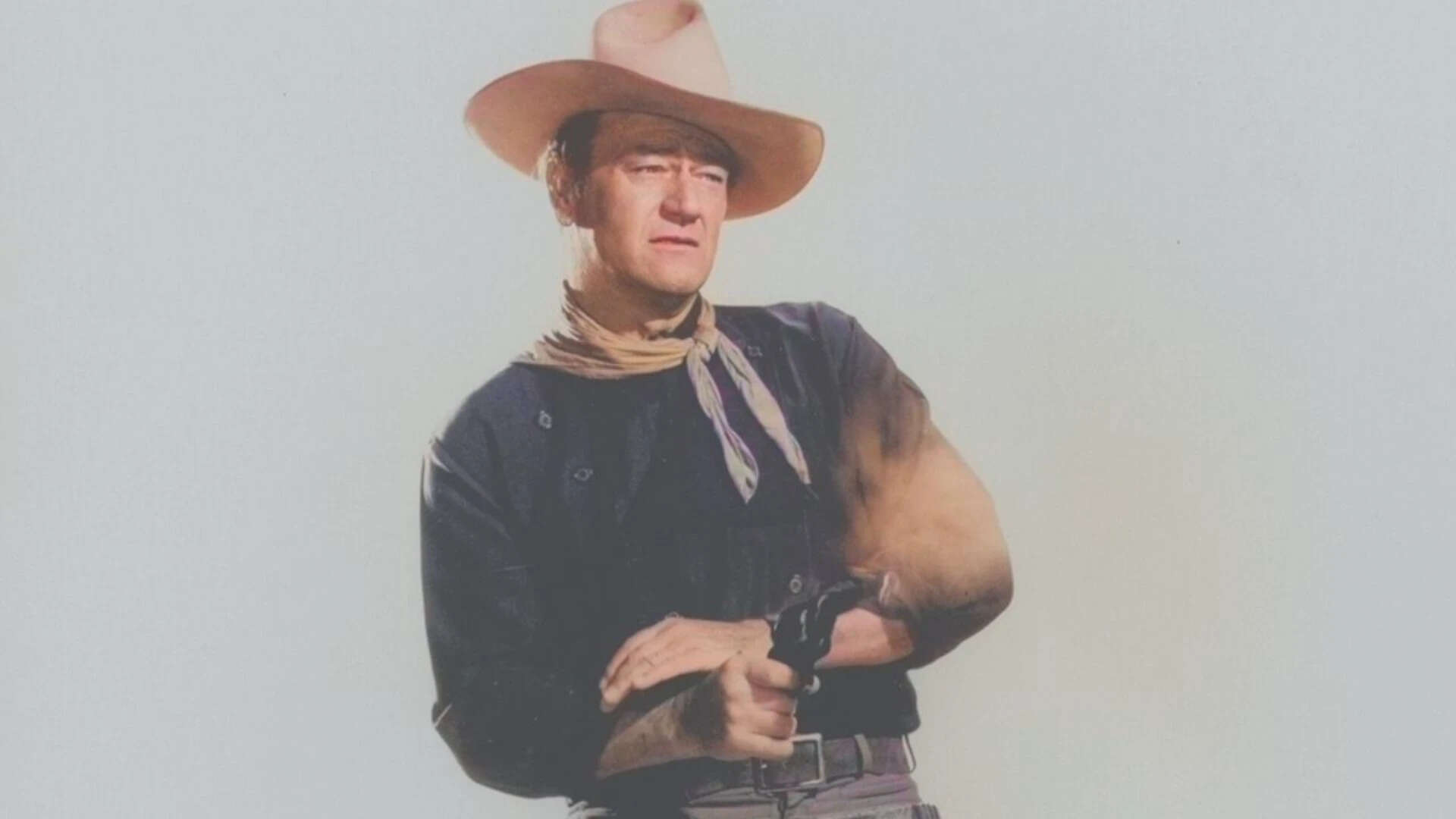
Decades after his passing, John Wayne remains a symbol of courage, resilience and determination through both his films and his words.Image credit (Instagram)
Early life of John Wayne
Marion Robert Morrison was born on May 26, 1907, in Winterset, Iowa, where his father Clyde worked as a pharmacist. Because of his father’s health, doctors told him he should move west. The family eventually settled in California, trying their hand at farming in the Mojave Desert before ultimately relocating to Glendale, just outside Los Angeles, where Clyde returned to working in a drugstore. During his childhood, he acquired the nickname Duke from a beloved pet dog, an Airedale terrier named Little Duke. A football star at Glendale High School, he attended the University of Southern California on a scholarship but dropped out after two years following a bodysurfing accident that cost him the scholarship. He found work at a film studio, where he drew the attention of director John Ford, and soon began playing bit roles. His first starring role came in ‘The Big Trail’ in 1930, and the film’s director, Raoul Walsh, urged him to change his name from Marion Morrison to John Wayne. From that point on, his career never faltered; ‘Stagecoach’ in 1939 made him a genuine star, according to the History Channel.
John Wayne: The Duke and his enduring legacy
What followed was one of the most sustained careers in the history of American cinema. His most celebrated films include ‘Red River,’ ‘The Searchers,’ ‘Rio Bravo,’ ‘The Alamo,’ and ‘True Grit,’ for which he won the Academy Award for Best Actor in 1970. From 1949 through 1974, Wayne was ranked as either the number one American box office star or within the top ten no less than 25 out of 26 times, according to Variety. He appeared in at least 154 films across his career, and in June 1999, the American Film Institute named him thirteenth among the Greatest Male Screen Legends of All Time.
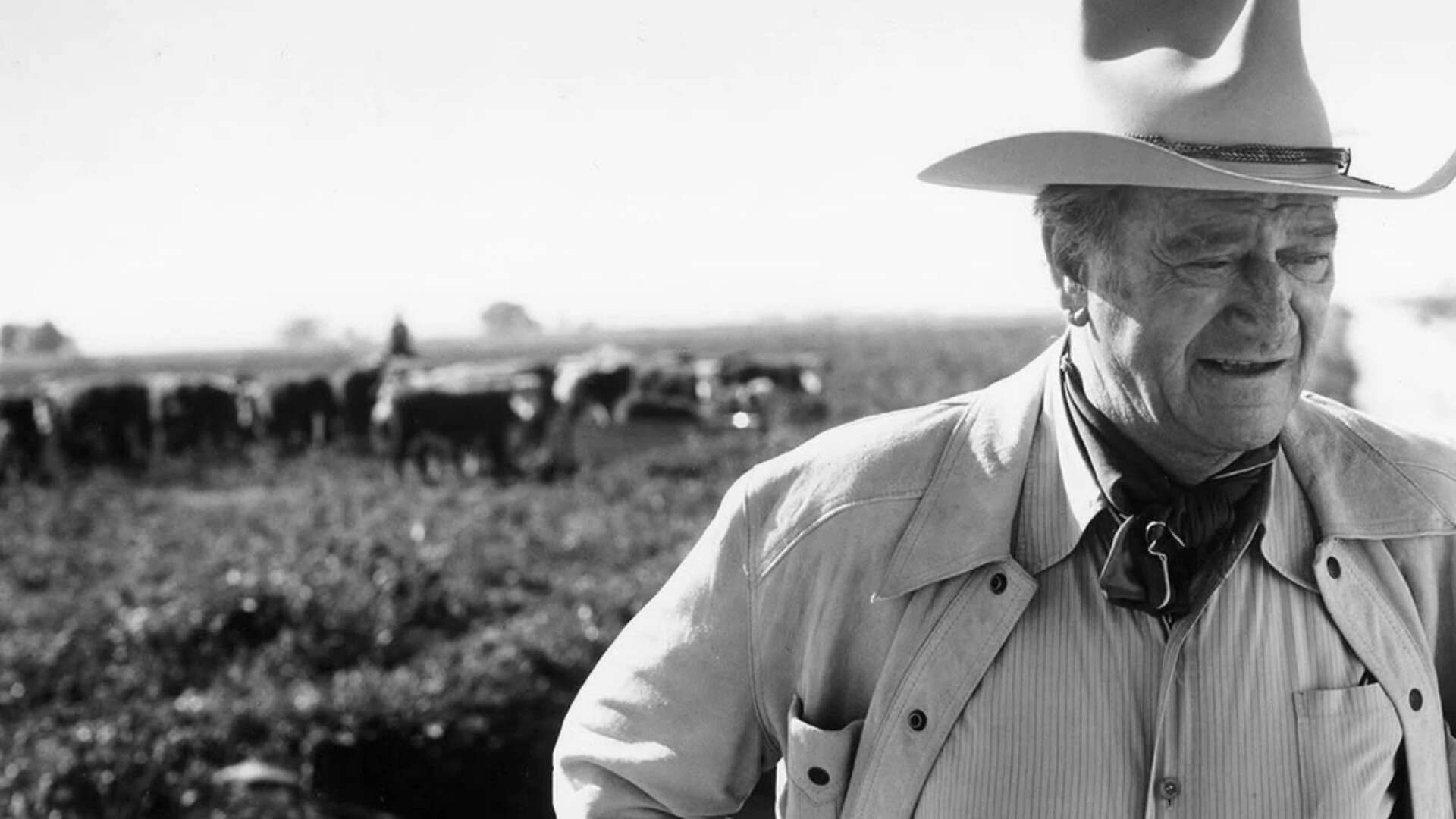
From overcoming cancer to building one of Hollywood’s greatest careers, John Wayne embodied the perseverance behind his most memorable quote.Image credit (Instagram)
John Wayne’s cancer battle: Getting up one more time
In October 1964, Wayne went for a long-overdue checkup at the Scripps Clinic in La Jolla, where doctors took multiple sets of X-rays before telling him he had tested positive for cancer. He recalled the moment with typical bluntness: “When I left the clinic that day, I realised I must have a lung operation as fast as possible.” When his associates encouraged him to keep the diagnosis private, concerned about the impact on his career, Wayne refused, telling the press, “There is a hell of a lot of good image in John Wayne beating cancer,” according to John Wayne Enterprises. He lost his entire left lung and two ribs in the operation, and yet went on to perform in physically demanding roles including ‘Hellfighters’ and ‘The Green Berets,’ both released in 1968. He became a passionate advocate for early cancer checkups, doing numerous public service announcements for the American Cancer Society. Five years after his diagnosis, he was declared cancer-free. Then in January 1979, he was diagnosed with stomach cancer. He regained enough strength to attend the Academy Awards ceremony on April 9, 1979, where he answered a rousing standing ovation with, “That’s just about the only medicine a fellow would ever need,” according to Variety. He passed away on June 11, 1979, at the age of 72. His final film, ‘The Shootist,’ saw him play an ageing gunfighter confronting his own mortality, an eerily fitting conclusion to a career built entirely on the philosophy he had lived. That getting up one more time than you are knocked down is not a motto. It is a way of life. And John Wayne lived it until he simply could not anymore.