







The Industry Safety Steering Group’s (ISSG) latest report has highlighted concern that the Building Safety Regulator (BSR) has “become an easy target for criticism, diverting attention from underlying issues within industry itself”.
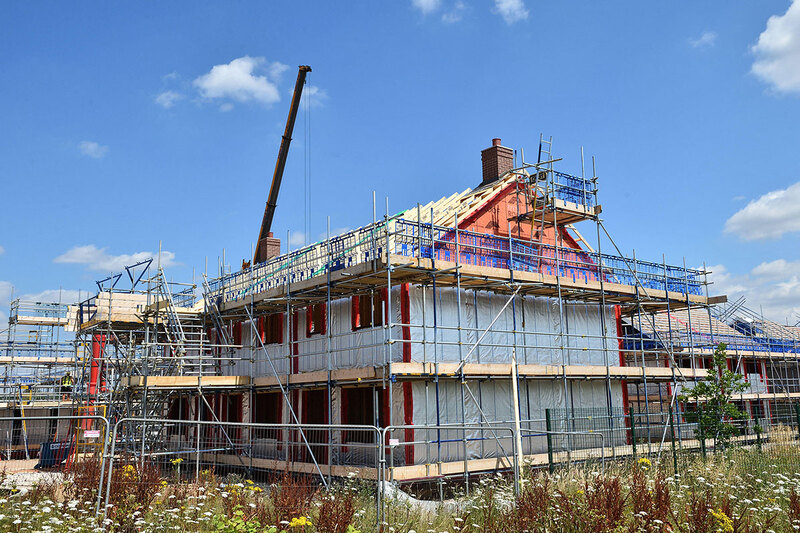
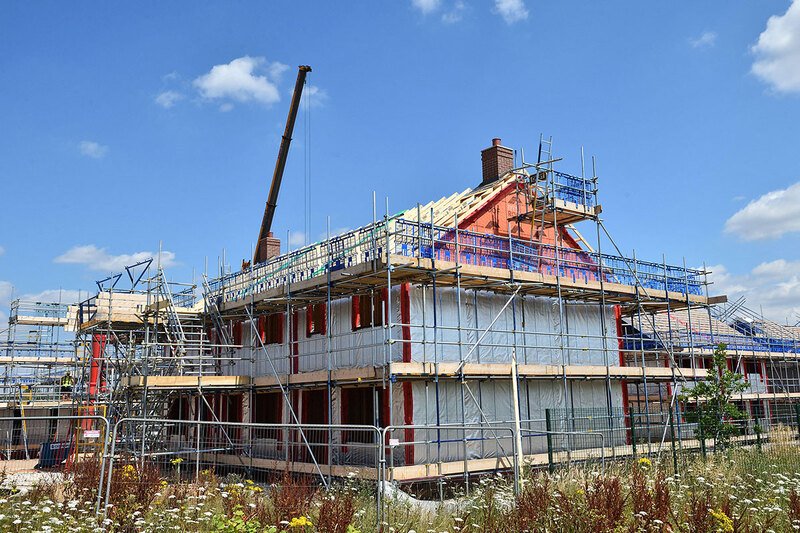
The ISSG was formed to overcome blockages and speed up culture change in the construction industry (picture: Alamy)
Sharelines

 BSR is easy target for criticism that ‘diverts attention from underlying issues’ in built environment, says steering group #UKhousing
The ISSG’s concern came as part of its first report since the Grenfell Tower Inquiry Phase 2 report was published.
The group was formed to overcome blockages and speed up culture change in the construction industry on behalf of the Ministry for Housing, Communities, and Local Government.
Since its last report, the ISSG explained that “culture change remains an important priority”, and it is reassessing “what is working in this area, what isn’t and why, and what must change in the future”.
It said: “We have been pleased to see that, in some areas, industry bodies have stepped up and engaged with government and regulators.
“We are concerned, though, that our efforts to encourage industry to acknowledge underlying problems, take ownership and lead meaningful change has yielded limited results, and a firmer approach is required.”
On issues with the BSR, the ISSG said it would have welcomed more openness from the regulator after it became beset by delays and concern about the quality of its work.
Back in March 2025, MPs were being told that delays at the BSR are leading to job losses and “wasteful training methods” in construction are impacting the government’s ability to hit its 1.5 million homes target.
The roll-out of the new safety regime under the BSR has been beset by delays due to higher-than-anticipated demand, as well as problematic or incomplete applications.
The ISSG said: “We are pleased to hear more recently, however, that BSR has been working to resolve the technical issues and delays.
“We have also heard that the move of BSR out of [the Health and Safety Executive] to become its own arm’s-length body will likely improve [its] operational processes and reduce the delays currently affecting the building control system.
“We are concerned that alongside initial procedural issues, BSR is receiving poor-quality applications. The rejections at both Gateway 2 and Gateway 3 are exposing problems in industry.
“The difference between what duty holders should be providing and what they are providing is stark. We strongly believe that there needs to be more communication between the regulator and industry, and greater transparency on good and bad practice within industry.”
Back in July last year, data from the BSR revealed that 69% of applications were rejected because they lacked detail, did not show legal standards would be met or were withdrawn by the applicant.
For high-risk high-rise residential buildings in England, almost 75% of existing buildings assessed in August 2025 by the BSR failed to meet the standards required.
In May this year, the BSR revealed it had approved over 12,000 housing units via its Gateway 2 process in the previous 12 weeks, with an approval rate of 71%, a significant increase on previous quarters as it has worked to speed up decision times.
However, the ISSG added: “We are concerned that the urgency to act post-Grenfell has already started to wane in some parts of the sector. The inquiry report must be a watershed moment which catalyses change based on the many hard lessons to be learned.
“The inquiry recommendations concentrated on actions for government, and we are concerned that many in industry have taken this lack of commentary on its failures as an indication that they got off lightly.
“We are alarmed and disappointed by this response and feel strongly that it must be countered robustly. ISSG strongly believes that there need to be incentives for good practice as well as substantive sanctions for those who fail to meet standards.”
In addition, the BSR confirmed this week it is changing how it issues compliance certificates for high-risk buildings after two-thirds of applications were refused.
Prior to that, the government announced it will make new funding available to remove cladding from the highest-risk buildings under 11 metres high.
Sign up for the Tenant and Resident Engagement Conference 2026
Taking place on 23 September at 200 Aldersgate in London, this year’s conference brings together tenant engagement, housing management and resident experience professionals to explore how organisations are strengthening relationships with residents through innovative engagement, inclusive decision-making and practical strategies for today’s regulatory landscape.
Gain actionable insights from sector leaders on building trust, increasing participation and demonstrating the impact of resident engagement. Leave with practical ideas, proven approaches and valuable peer connections to help create tenant engagement programmes that deliver lasting results.