






Several UK areas are currently in the stage before an official drought

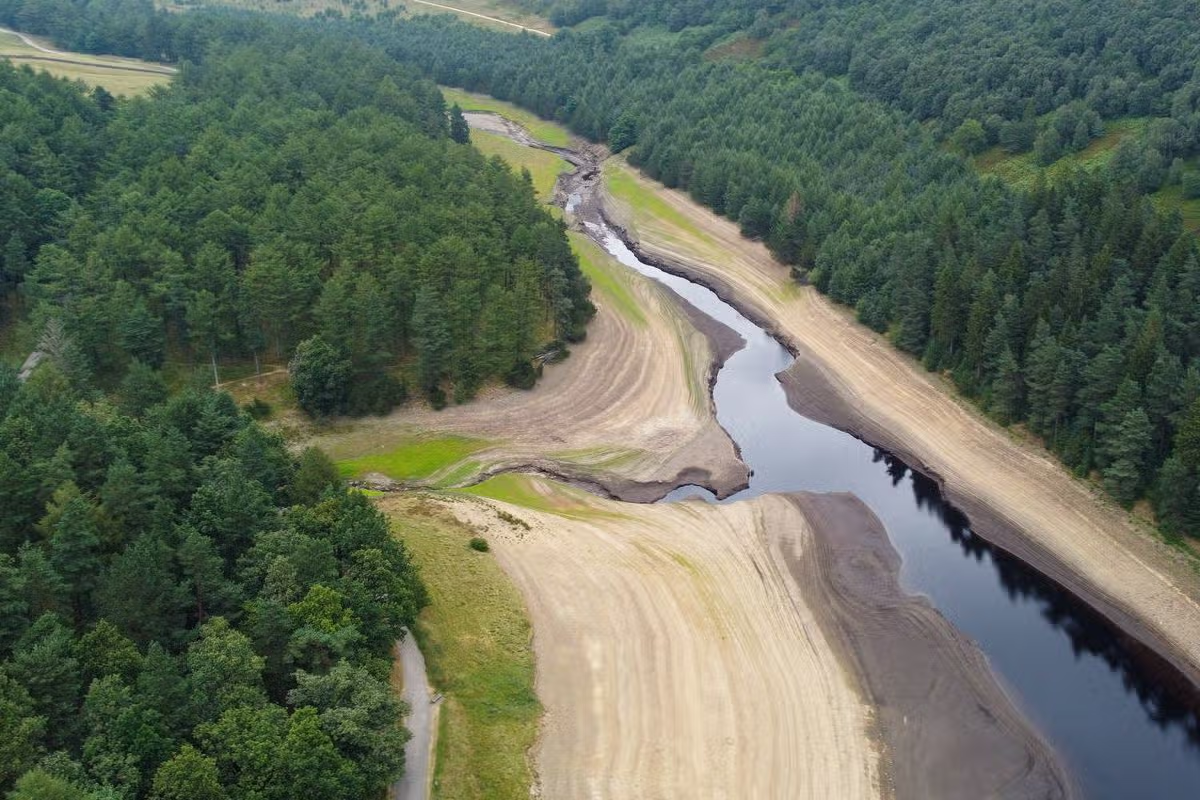
Low water levels can been seen in rivers and reservoirs across the UK(Image: Charley Atkins / SWNS)
Drought has been declared in the UK for the first time this year after record-breaking dry conditions, heatwaves, wildfires and dried up rivers.
North Wales and the Upper Severn is the first part of the UK to declare drought status, Natural Resources Wales (NRW) said, after widespread dry weather and weeks-lasting heatwaves have hit the country so far this summer.
Other parts of England are in prolonged dry weather status – the stage before drought – with hosepipe bans currently affecting around 23 million people. A nationwide hosepipe ban is in place in the Republic of Ireland in response to the dry conditions.
Click here to get the biggest stories straight to your inbox in our Daily Newsletter
Due to the ongoing hot and dry conditions, wildfires have been raging in a number of places, including several around Greater Manchester and a major wildfire in the Cairngorms.
In Wales, exceptionally dry conditions have led to drying riverbeds, mounting concern from farmers about grazing and water availability, and significantly increased risk of wildfires, with North Wales having experienced a number of major blazes in recent weeks.
The areas affected by the drought status declaration include North Gwynedd, Ynys Mon, South Gwynedd, Dee (Wales), Clwyd, and Upper Severn.
NRW, the Welsh Government’s environmental agency, said the decision to trigger drought status follows continued hot, dry weather over recent weeks, with July on course to become the driest on record for Wales for almost 190 years without significant rainfall in the next week.
North Wales and the Upper Severn has received less than 2% of the expected rainfall for the month so far, with river flows across large parts of the region exceptionally low, and some locations recording or approaching record lows. In many areas of North Wales, there has been no significant rainfall since July 6, NRW said.
Monitoring by the agency also shows groundwater levels continue to fall and river temperatures have been high.
All remaining catchments across south-west Wales have also moved from “normal” to “prolonged dry weather” status, following the same change in status last week for south-east Wales. As a result, all of Wales is now either in drought or prolonged dry weather status.
NRW said it declared drought when a combination of indicators show a significant shortage of rainfall and water availability, affecting rivers, groundwater, agriculture, natural systems and land management.
While water companies have reported that reservoir levels remain healthy, NRW is urging people use water wisely.
Rhian Thomas, sustainable water and nature manager at NRW, said: “The prolonged period of hot, dry weather we have experienced this summer is now having serious impacts on the environment across parts of Wales.
“We have seen rivers fall to exceptionally low levels, groundwater continuing to decline, and increasing reports of environmental impacts affecting wildlife, fisheries, farming and sensitive habitats. The recent wildfires across North Wales and South East Wales are one of the clearest and most visible signs of how dry our landscapes have become.
“Our teams continue to work closely with fire and rescue services, local partners and land managers to respond to these incidents and reduce risks where possible.”
She said: “While drought status does not automatically mean water shortages for customers, it does reflect the growing pressure being placed on our environment. We are asking everyone to play their part by using water wisely and helping to protect Wales’ natural resources during this exceptionally dry period.”
A yellow ‘risk to life’ alert is set to come into force across parts of the UK at 9am on Friday, July 24, and will remain in place until 9am on Sunday, July 26.
The UKHSA warning signifies that minor impacts are expected across health and social care services, including increased use of healthcare services by vulnerable people, greater risk to life of vulnerable people, increased potential for indoor environments to become very warm and that water‑related incidents may increase, including risks from cold‑water shock and drowning.
The yellow health warning is in place across East Midlands, West Midlands, South East, South West, East of England, London; with just North East, North West and Yorkshire left with no alerts.