








The Environment Agency has officially declared Somerset, along with Bristol, Dorset, and Wiltshire, to be in a state of “prolonged dry weather” following weeks of low rainfall and rising temperatures.
A welcome change is set to be on the way this weekend however, with the Met Office forecasting rain to hit many parts of Somerset over the coming days.
The status reflects growing environmental pressure on local waterways, with experts warning that rivers and wildlife are already being affected.
Environment Agency officers say they are expecting an increase in environmental incidents this summer, driven by low river flows, higher water temperatures, and reduced oxygen levels.
These conditions can make it difficult for fish and other wildlife to survive, particularly as weeds and algal blooms thrive in warmer water.
Water levels at groundwater sites are now falling to below normal or notably low levels, with forecasts suggesting largely dry conditions will continue, with the possibility of some showers later this month.
Matt Akers, environment planning and engagement manager at the Environment Agency, said: “There’s been a big difference in the environment in the past month.
“June had 132 per cent of its typical rainfall. This month we’ve had less than one per cent so far.
“We are seeing low river flows in places like the Hampshire Avon and water temperatures of 24C which is almost tropical.
“The Environment Agency is keeping a close eye on the situation and remains ready to respond to incidents created by these conditions.”
Despite a wetter start to 2026, with January bringing double the typical amount of rainfall and causing floods across Somerset, much of the spring saw below-average rainfall across the West Country.
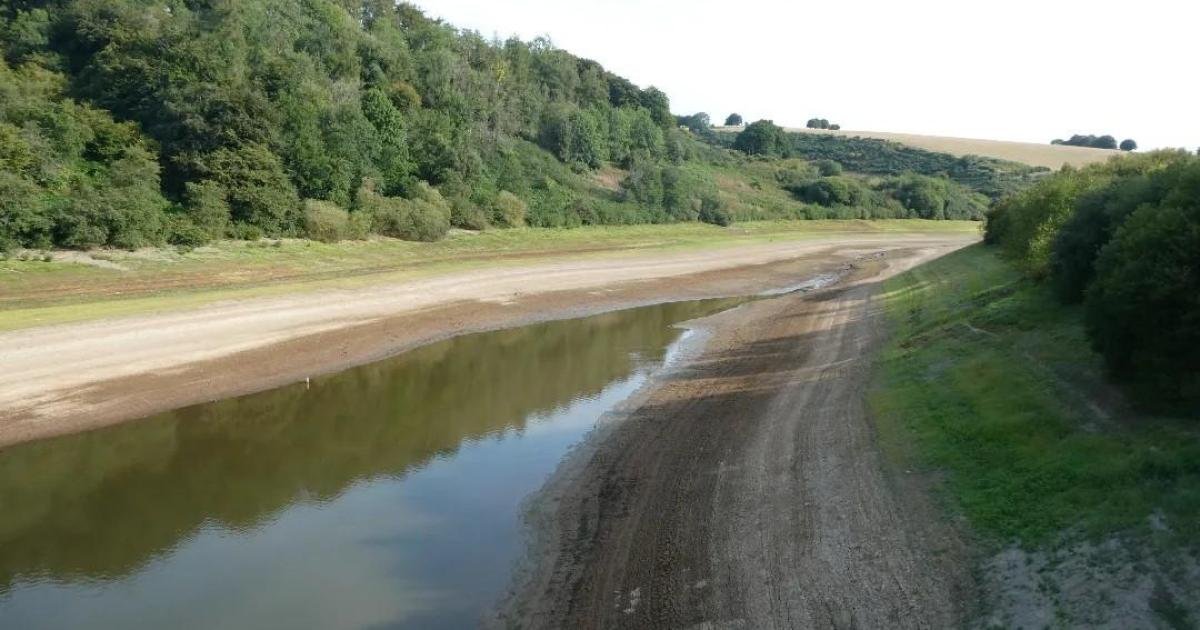
Somerset’s low reservoir levels cause concern
Last week, data from the Environment Agency has drawn attention to the county’s water levels due to the dry level, with the government authority warning of more dead fish and wildfires.
Six reservoirs nationwide are classed as having “notably low” levels, including Wimbleball in Somerset, which is managed by South West Water.
Meawhile, Somerset’s Blagdon reservoir in the Mendip Hills is now classed as being “exceptionally low”.
The overall situation is now being monitored nationally by the National Drought Group, which includes the Met Office, government departments, water companies, farmers, and environmental groups.
Residents across Somerset are being urged to play their part by using water wisely. The Environment Agency suggest simple steps include taking shorter showers, fixing leaks, using a watering can instead of a hosepipe, and running appliances on eco settings.