









Global brewers in India are warning of price increases and possible supply disruptions as the war involving Iran hits gas supplies, glass bottle production, and aluminum can inputs, according to Reuters on March 24.
The pressure is landing just as India enters its peak summer beer sales season
Reuters reported that the Brewers Association of India, which represents Heineken, Anheuser-Busch InBev, and Carlsberg, has flagged sharp increases in packaging costs and growing supply risks as manufacturers struggle with fuel shortages and shipping delays.
We bring you stories from the ground. Your support keeps our team in the field.
India is especially exposed because it is the world’s fourth-largest importer of natural gas and sources about 40% of its supply from Qatar, Reuters reported. Iranian attacks have partially disrupted Qatar’s export capacity, tightening fuel availability for Indian manufacturers.
The brewers’ association told Reuters that glass bottle prices have risen around 20%, paper carton rates have doubled, and other packaging inputs such as labels and tape have also become more expensive.
“We are asking for price increases in the range of 12-15%,” Vinod Giri, director general of the Brewers Association of India, told Reuters.
He added that member companies had been advised to approach states individually, while warning that rising production costs are making some operations unsustainable.
The strain is also spreading beyond brewers. Reuters reported that several glass bottle makers have partially or fully halted operations because gas is essential for running furnaces and production lines, while aluminum can suppliers have warned of possible reductions.
Nitin Agarwal, chief executive of Fine Art Glass Works in Firozabad, stated that his factory had cut output by 40% and raised prices by 17-18%.

India’s alcohol market was valued at $7.8 billion in 2024 and is expected to double by 2030, according to Grand View Research figures cited by Reuters.
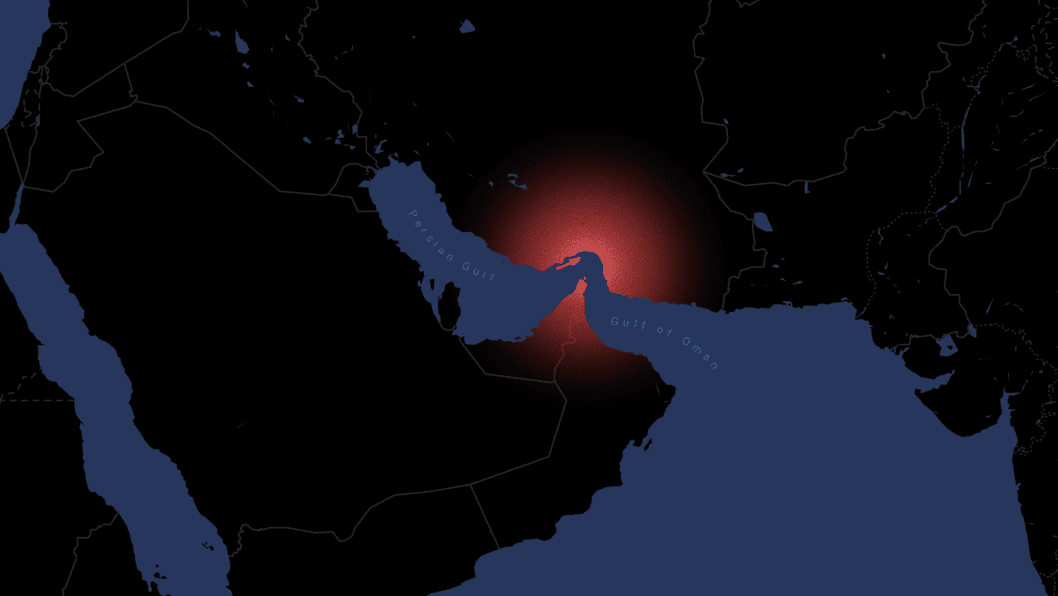
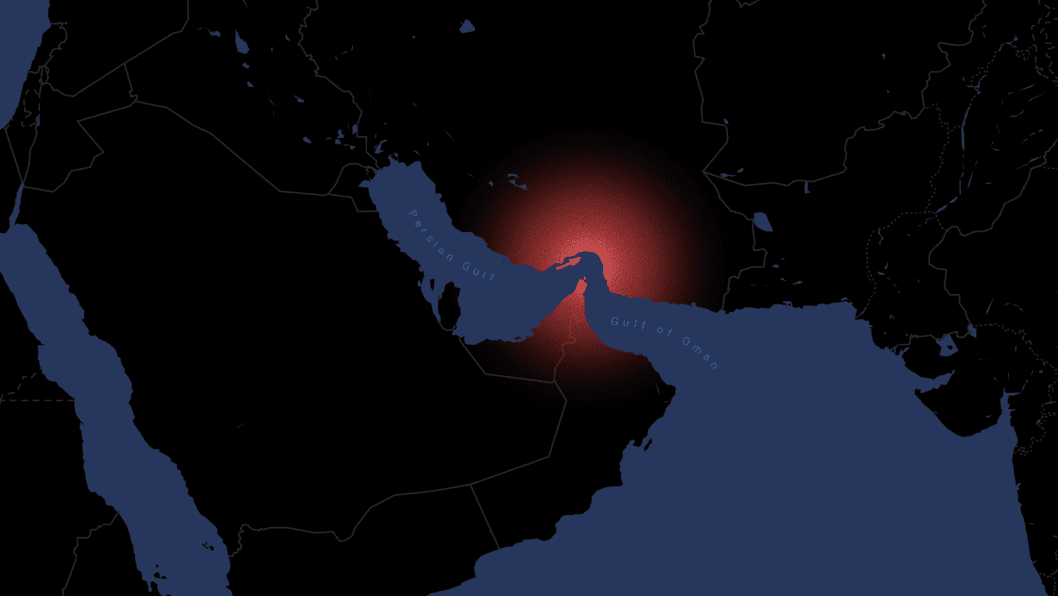
The supply shock is also feeding into broader concerns over food security linked to disruption in the Strait of Hormuz.
As traffic through the Strait of Hormuz slowed, warnings mounted that Gulf food imports were coming under strain, with Iran particularly exposed because most of its grain flows move through the waterway.
The disruption also threatens the UAE and Saudi Arabia, which rely heavily on Gulf ports for grain and oilseed shipments, while Jebel Ali serves as a key food gateway for neighboring states.
Analysts and food security experts warned that prolonged disruption could trigger shortages and price rises beyond the Gulf, with Yemen, Sudan, and Somalia also vulnerable because they depend on UAE transshipment routes.
-4a56a6b482ec132402c16ef6fcabf9a2.png)

Our reporters work on the frontlines to show what’s really happening in Ukraine. Your support helps them keep reporting.