

Artificial intelligence is rapidly reshaping the hospitality industry, helping hotels move beyond traditional revenue management to deliver more personalised guest experiences, smarter commercial decisions and stronger financial performance. As luxury hotels increasingly embrace data-driven technology, AI is becoming a key competitive advantage.
In this exclusive Q&A, Breaking Travel News speaks with Joe Watkins, the newly appointed Head of AI and Data at Journey, the hospitality performance platform trusted by more than 750 hotels worldwide, including Chewton Glen, Grantley Hall and The BoTree. Joe discusses how AI is transforming hotel operations, the opportunities and challenges facing hoteliers, and what the next generation of intelligent hospitality technology will look like.
1. Why do hotels need to start thinking more like retailers?
Having spent over a decade working with some of the UK’s largest supermarkets and online retailers, the parallels with hospitality are striking. For any business, once you’ve invested in getting a customer through the door, the priority becomes maximising the value of that opportunity. Retailers have spent the last 20 years investing heavily in data and technology to create seamless shopping experiences that are personalised, operationally efficient and capable of delivering the right message to the right customer at the right time. Hotels are no different. With rooms typically accounting for around 50–60% of revenue, maximising every other sales opportunity is no longer optional.
Making it easy for guests to buy is essential, yet many hotels introduce unnecessary friction into the process. Friction is a revenue killer. Merchandise your experiences with compelling imagery and rich product descriptions, allow guests to add everything to a single basket, recommend relevant upsells before check out, and make purchasing as effortless as possible. Every extra click or manual step is another opportunity for revenue to be lost.
Personalisation is equally important, and it starts with well-organised, high-quality data.
Great data, powerful analytics and sophisticated technology can only create value when it is in the hands of the people and systems that can act on them. Hotel teams need instant access to insights wherever they are. Custom AI agents that sit on top of your data can surface information quickly on mobile devices, while marketing teams need to interrogate data to build, optimise and measure campaigns. Your website should also be able to react in real time, presenting the most relevant products and offers to each guest.
The good news is that most hotels already have the technology and the data. The opportunity now is to be as deliberate about using it with the same commercial discipline as retailers adopted decades ago. The hotels that move first won’t just gain a competitive advantage – they’ll shape what guests come to expect from the entire industry.
2. Where are hotels currently losing commercial value in the guest journey?
The biggest challenge is fragmentation. Guests may book a room online but never discover the spa, restaurant or activities because those systems operate independently or aren’t presented as part of one connected journey.
Hotels also lose revenue through friction. Missing imagery, incomplete descriptions, disconnected booking systems or inventory that isn’t available online all reduce conversion.If an experience is not visible or easy to book, guests are far less likely to purchase it.
Rather than spending more to acquire new guests, many hotels have a significant opportunity to generate more value from the demand they already have by making every experience visible, bookable and connected.
The good news is that hotels don’t need to invent new experiences. Most already have restaurants, spas, wellness, golf and other activities. The opportunity lies in presenting and retailing them more effectively, so guests can discover, book and enjoy the full hotel experience with ease.
3. What does “experience revenue” mean in practical terms for hotels?
Experience revenue is everything beyond the bedroom. It includes spa treatments, dining, wellness, golf, retail, activities and every additional purchase a guest makes throughout their guest’s stay.
These experiences increasingly differentiate one hotel from another. Yet many hotels still struggle to commercialise them effectively because they’re managed across separate systems. Our latest research found that only 28% of hospitality businesses believe their current infrastructure can easily support these additional revenue opportunities.
A connected hospitality commerce platform brings those experiences together, making them easier for guests to discover, book and pay for in one seamless journey. Rather than treating spa, dining and activities as separate departments, hotels can retail them as part of a single, joined-up experience.
The objective isn’t simply to sell more extras. It’s to understand what matters to each guest and present the most relevant experiences at the right time. A wellness guest should have a very different journey from a business traveller, and connected technology is making that level of personalisation increasingly achievable.
4. How can hotels use data to better understand their highest-value guests?
The biggest shift is moving beyond booking data to behavioural insight.
Hotels should not only understand what guests booked, but how they experienced their stay. Did they dine in the restaurant? Visit the spa? Book activities? Return six months later?
When those touchpoints are connected, hotels can begin to understand lifetime value, rather than looking at each stay as a single transaction. That insight allows them to personalise communications, recognise loyal guests and make better commercial decisions.
The foundation for all of this is good data. Before AI can deliver meaningful results, hotels need connected, well-structured data that brings the guest journey together.
5. Where is the biggest AI opportunity in hospitality beyond chatbots?
The next generation of AI isn’t about answering questions, it’s about completing meaningful tasks.
We’re moving towards AI agents that can help guests plan the entire stay, build itineraries, recommend relevant experiences and complete bookings across multiple systems.
Behind the scenes, AI can also support hotel teams by identifying revenue opportunities, updating content, analysing performance, optimising marketing, automating reporting and reducing repetitive administration.
The biggest opportunity isn’t replacing people. It’s allowing hotel teams to spend less time on manual processes and more time delivering exceptional guest experiences.
6. How do you see AI agents becoming part of hotel operations?
I see AI agents becoming digital colleagues.
On the guest side, AI agents will help people plan and book complete stays through a single conversation, from accommodation and dining to spa treatments and activities. They will also support guests during their stay by sharing menus, helping with electric vehicle parking or charging, and recommending relevant events taking place while they are there. When a guest asks a question and the answer is not already stored, the query can be passed to the hotel team. Once answered, that information becomes part of the agent’s knowledge, helping it respond more effectively in future.
Internally, they’ll monitor systems, highlight opportunities, identify opportunities to improve merchandising and conversion, assist with reporting and automate repetitive tasks across connected platforms. Data collected from customer questions can also be used to improve agentic search optimisation, the content served on your site and could even become a trove of new ideas to help you develop new products and revenue streams.
Importantly, AI should always operate within sensible guardrails. Human oversight remains essential for commercial decisions and guest service. The goal is to augment hospitality teams, not replace them.
7. What role can personalisation play in driving repeat visits and direct bookings?
Personalisation has always mattered, but delivering it consistently has been difficult.
Today, when hotels understand guest preferences, previous purchases and past stays, they can surface more relevant experiences at the right moment in the booking journey. That could be recommending a favourite treatment, remembering dining preferences or suggesting experiences based on previous visits.
When guests feel recognised rather than marketed to, hotels have a much stronger opportunity to build loyalty, encourage direct bookings and increase repeat visits.
8. How important are spa, dining, wellness, retail and activities to future hotel growth?
They’re becoming central to hotel profitability. The next chapter of hotel growth won’t come from pushing ADR ever higher on a fixed inventory of rooms. It will come from increasing the value of every stay. RevPAR remains an important measure, but it only tells part of the story because it focuses on room revenue.
The next step is to look more closely at TRevPAR – total revenue per available room – and understand the full value generated across the stay. That includes revenue from spa, dining, wellness, retail, golf and activities.
A hotel can only sell the same room once each night, but it can increase the value of that stay by making more of its experiences visible, bookable and easy to purchase.
That’s why these services should no longer be viewed as ancillary. They are core commercial assets and an increasingly important part of how hotels drive sustainable growth.
9. What lessons can be drawn from some of your standout case studies?
Guests don’t think in departmental silos. They simply want to plan one great stay in a single booking journey.
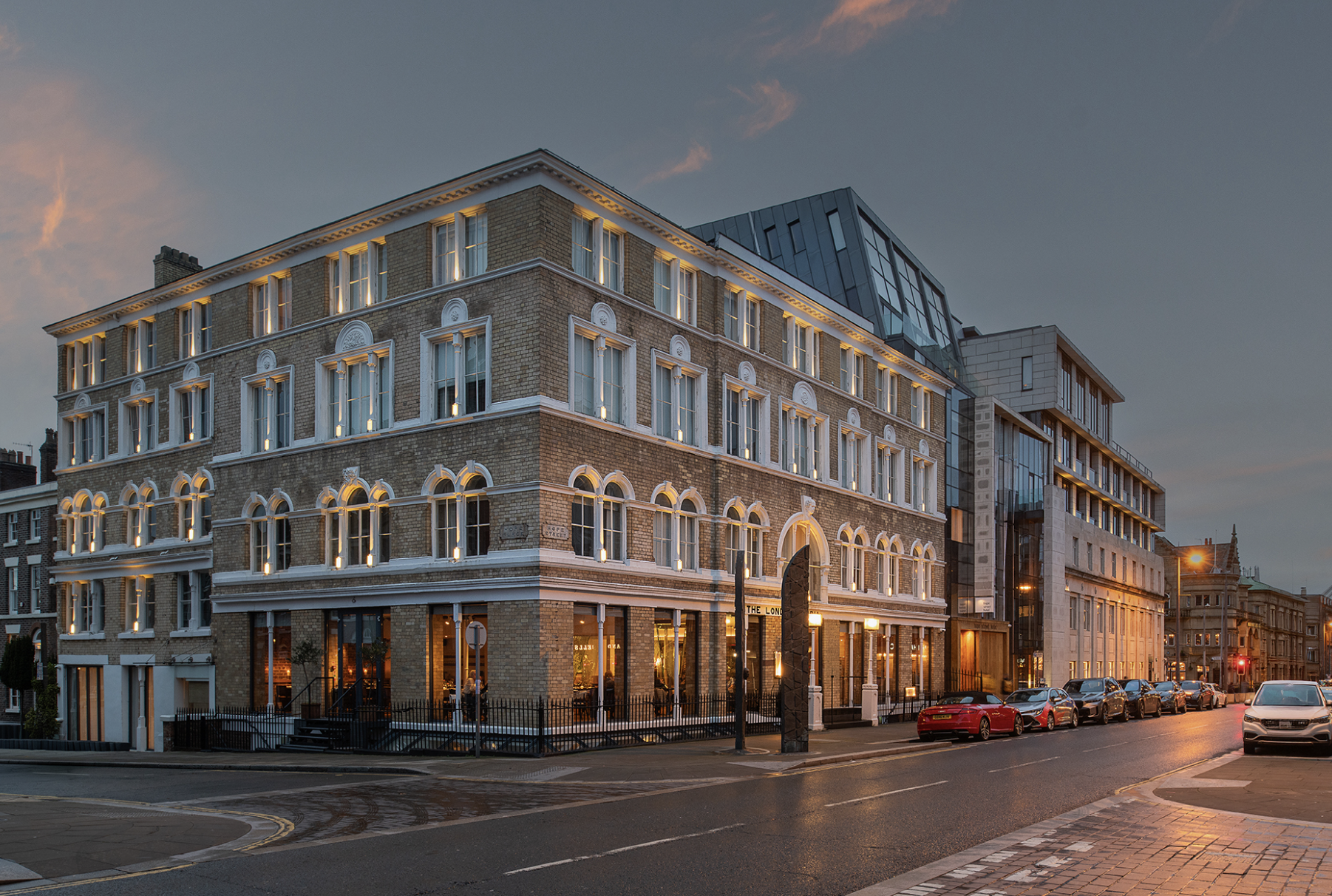
Hope Street Hotel in Liverpool is a good example. The hotel wanted to make it easier for guests to book accommodation, spa experiences and dining together through one connected booking journey.
Following the introduction of Journey’s platform, the hotel reported an 18% year-on-year increase in direct revenue, while spa revenue increased by 140% compared with 2023.
What’s particularly interesting is that these results weren’t driven by adding more products. They came from removing friction, connecting previously separate booking journeys and making it easier for guests to personalise their stay before they arrived.
The broader lesson is that experience retailing isn’t simply about increasing ancillary revenue. It’s about creating a better guest journey that benefits both the guest and the hotel.
10. What should hotel leaders prioritise over the next 12 months?
First, build the right data foundations. Connected, trusted data is essential before AI can deliver meaningful value.
Second, audit the guest journey. Make sure every experience is visible, bookable and easy to purchase across every digital touchpoint.
Third, focus AI on practical, high-value use cases that remove friction for both guests and hotel teams, rather than adopting technology for its own sake.
Finally, measure success beyond room revenue. Hotels should understand total guest value, experience attachment rates, conversion and repeat behaviour alongside traditional performance metrics.
The hotels that perform best over the next few years will be those that stop thinking in terms of heads in beds and start thinking about the value of every guest. By marketing experiences more effectively, making them easy to book and managing them as part of one connected commercial journey, they’ll create better guest experiences and stronger commercial performance.