








The Department for Environment, Food and Rural Affairs should take advantage of wide-ranging plans for regulatory change and consider merging the Environment Agency with Natural England, watchdog MPs have said.
Public Accounts Committee members said that combining the organisations’ regulatory responsibilities could result in a single organisational culture that balances protection and enhancement of nature and the environment with supporting economic growth.
The committee, which focuses on value for money and efficiency in public services, also questioned whether the regulators overseen by Defra have the resources and skills to manage the changes proposed following three major reviews last year.
Those reviews made 149 recommendations to the department and its arm’s-length bodies. A recurring finding was that the current regulatory system is not achieving the intended outcomes for the environment or the economy.
One of the reviews, Sir Jon Cunliffe’s Independent Water Commission report, recommended the abolition of Ofwat. A new regulator will take over responsibility for water functions that are currently spread across Ofwat, the Environment Agency, Natural England and the Drinking Water Inspectorate.
When he announced the abolition of Ofwat in July last year, then environment secretary Steve Reed said the Environment Agency and Natural England would retain their non-water remits and responsibilities.
However, in today’s report, PAC members said Defra should use water-regulation reform as an “opportunity” to examine the case for bringing the Environment Agency and Natural England together as a single entity.
They said regulators faced a “lack of strategic direction” from Defra that limited their ability to plan coherently, target resources effectively and demonstrate how their work contributes to statutory environmental objectives.
“As a first step towards developing a coordinated plan, Defra should set out a clear vision for environmental regulation with a focus on what matters and what makes the most difference,” they said. “Defra should take the opportunity presented by the changes in water regulation to explore the merits of bringing all its regulatory functions together to improve efficiency and enable the establishment of a single organisational culture which balances protection and enhancement of nature and the environment with supporting economic growth.”
MPs added: “If Natural England and the Environment Agency are not to be merged, then Defra should conduct a thorough examination to determine where they could cooperate more closely, such as in planning, legal functions, comprehensive advice and IT.”
PAC said that as the “large volume” of activity related to regulatory reform did not appear well co-ordinated, they are “sceptical that regulators have the resources and skills to manage the upcoming changes”.
Committee members said that within six months Defra should publish a detailed plan setting out how it intends to change the overall regulatory environment, how it is implementing the 149 recommendations, what assurance it has that regulators have the resources they need, and when the change will be completed.
They added that the plan should include a clear statement of what legislative change is required and when.
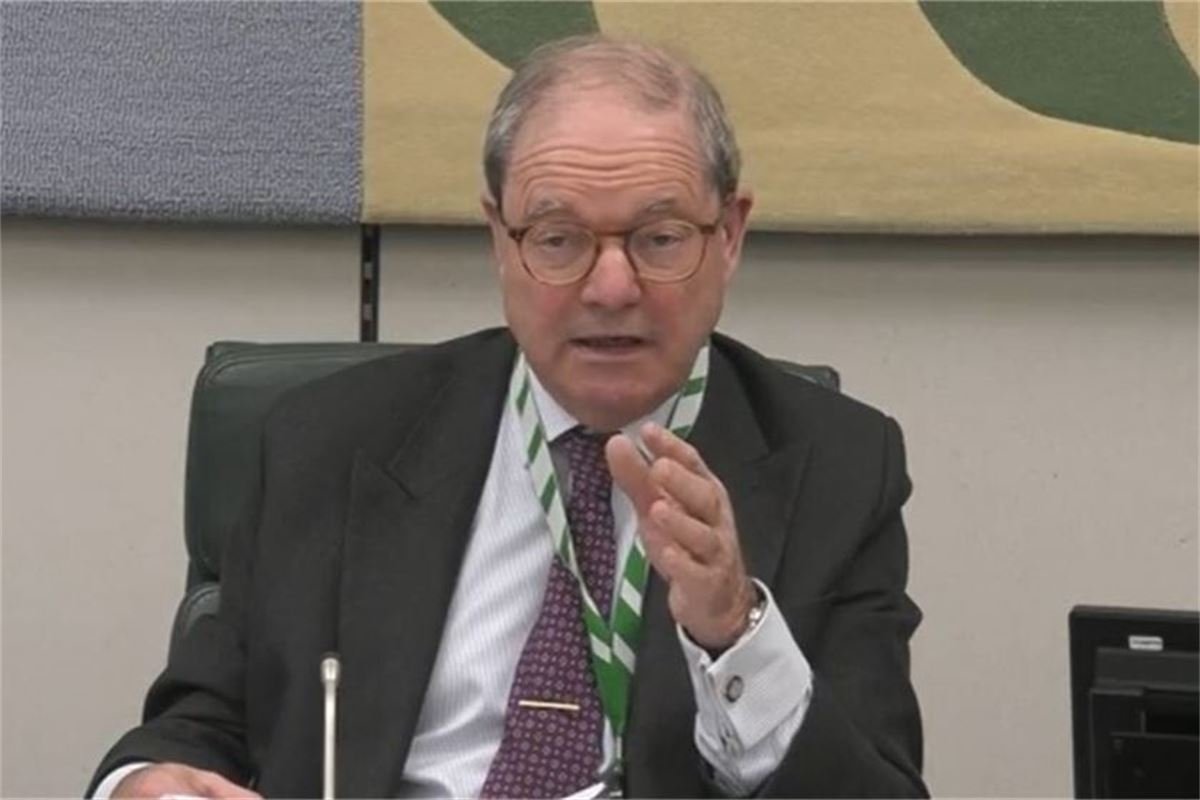
PAC chair Sir Geoffrey Clifton-Brown said the UK has “obvious and glaring” problems with how environmental regulation is delivered.
“Regulators are drowning in recommendations from multiple reviews,” he said. “Our report finds that the current position that regulators are not sufficiently resourced to follow this multiplicity of recommendations, while still carrying out their responsibilities towards the environment.
“One obvious solution to reduce the complexity which government should consider would be a merging of the responsibilities of Natural England and the Environment Agency. Whilst they do have slightly different roles in regulating the environment, some of their larger functions, such as monitoring the planning system and taking enforcement action significantly overlap. A single culture would be able to more coherently face outwards towards sectors that need to engage.”
At a PAC hearing last week, on regulating for growth, HM Treasury’s DG for growth and productivity, Jessica Glover, suggested Defra had gone down a different route.
She said merging regulators and bodies “takes an awful lot of time, effort and energy that could be spent making sure that you are co-operating effectively to support the aims you share”, and that Defra has instead introduced a lead environmental regulator model, which it is piloting on the Lower Thames Crossing and East West Rail.
“Those big infrastructure projects, as far as the project is concerned, just have one lead regulator,” she said. “They go to that regulator, and it is that regulator’s job to check what any other relevant regulators are providing – they are like a single front door for the project.”
Glover said Defra has also established an infrastructure board and a developers’ council, which are bodies designed to bring together the relevant people to make sure that problems “are being identified upstream, and that they are then surfaced, escalated and addressed”.
Civil Service World sought a response from Defra. It had not provided one at the time of publication.