








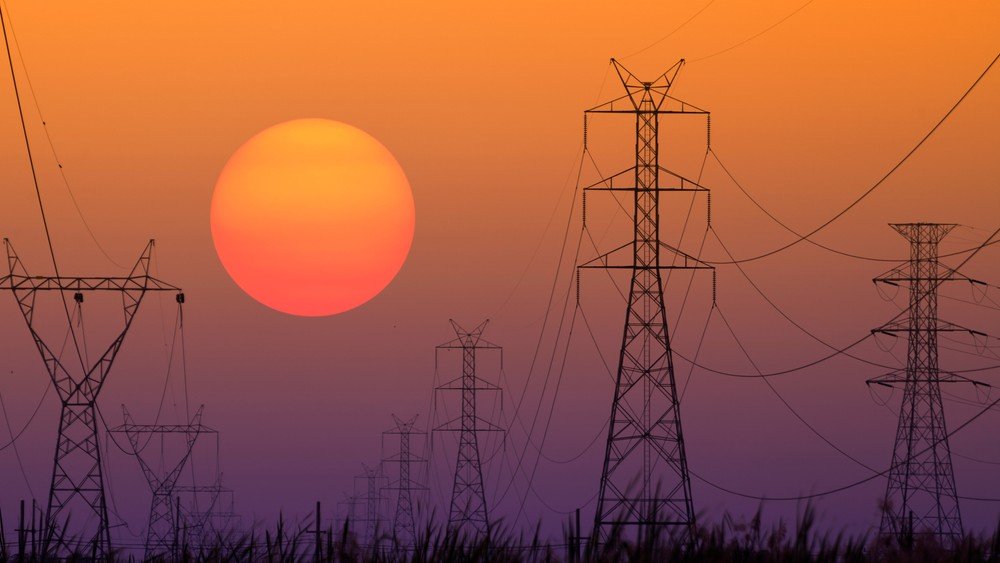
The Indian government will consider waiving transmission charges for solar and wind energy developers facing delays in the commissioning of their projects due to transmission line shortages.
According to a Reuters report citing the country’s power regulator, the relief will only cover projects whose developers had signed at least seven-year power sale contracts by the end of this year. In earlier moves to stimulate more wind and solar, the government began phasing out interstate transmission charges for alternative energy generation projects in July last year.
There have been a number of solar, wind, and hybrid power generation projects delayed because there are not enough transmission lines to carry their output. The Indian Central Electricity Regulatory Commission will also consider extending the relief to battery storage projects as New Delhi seeks to diversify its electricity generation away from coal and gas.
India’s government has a target of building 500 GW of non-hydrocarbon generation capacity by 2030. Solar currently accounts for 29% of the country’s non-hydrocarbon generation capacity. Plans were to expand it from 162 GW currently to over 292 GW by 2030. This target is under threat, however, due to recent legislative changes seeking to reduce dependence on imported solar components from China, because while local module capacity is substantial, at 200 GW, solar cell manufacturing capacity is just 27 GW.
Still, solar power generation in India is expanding fast, with a record 44 GW in new capacity added during financial 2025/26. This fast growth, however, has run into obstacles such as the lack of enough transmission lines to connect all new capacity to the grid. Meanwhile, coal remains India’s biggest source of power generation, accounting for about 70% of total generation. This is seen falling to below 50% by 2035 thanks to the expansion in wind and, especially, solar.
By Irina Slav for Oilprice.com