Newcastle University’s Dr Geoffrey Abbot, a reader in organic geochemistry, said the nurdle spill was an “extremely bad” ecological event.
“The major concern is the wildlife exposure, it could take months or even years to clean up the contamination to the habitats on the coast and in rivers.
“Microplastics over time will be weathered down and we could see the formation of smaller particles.
“If they have jagged edges they are small enough to penetrate cell walls which would have a catastrophic impact on wildlife and even humans.”
Campaigners have argued the Port of Tyne clean-up was delayed, which could have led to the plastic spreading further.
The port said it had to first focus on a salvage operation to remove a collapsed crane after the crash, but would now engage with volunteers on how to “best help” get rid of the nurdles.
The Tyne Rivers Trust called for a coordinated effort to clean up the spill.
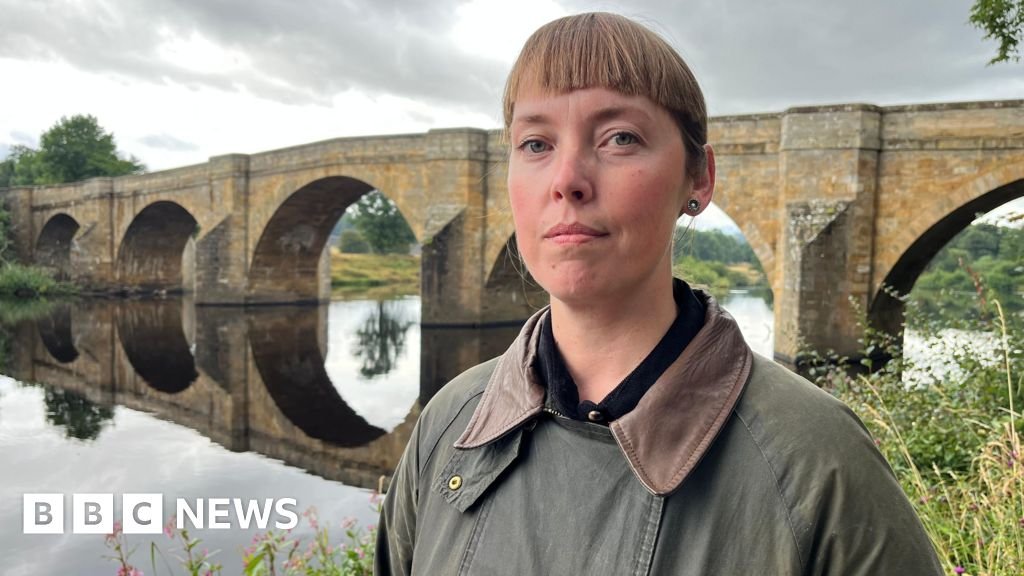
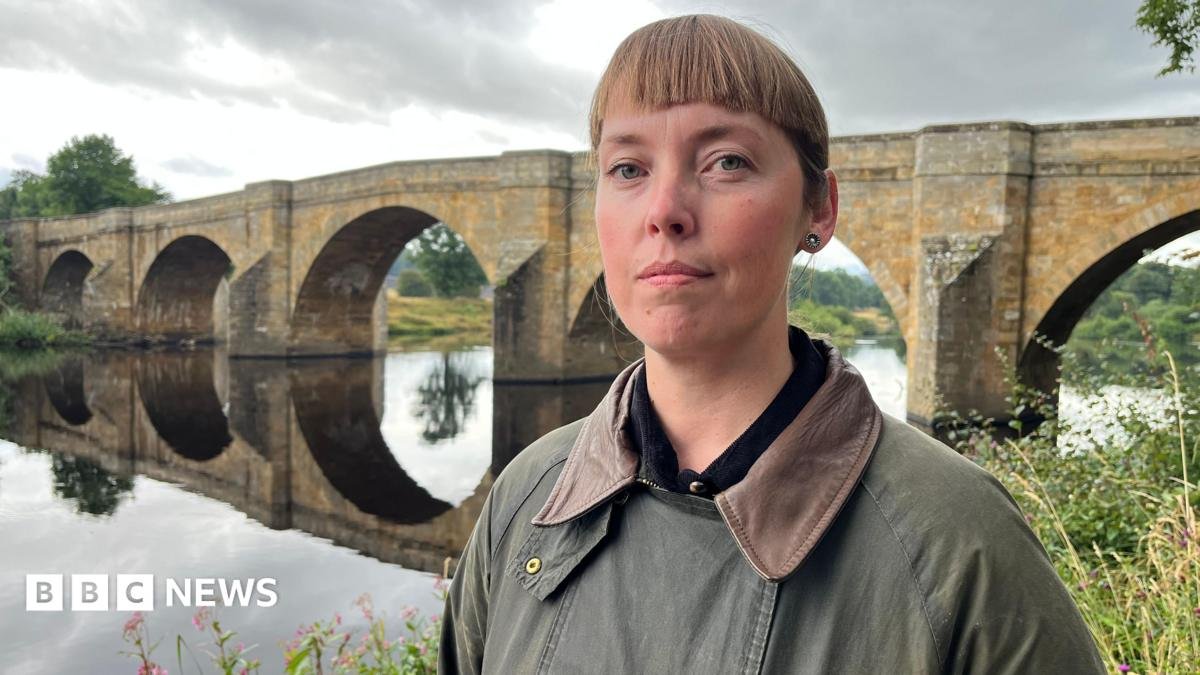
“The river is one of our area’s greatest assets, it drives tourism, leisure, we drink it, we risk taking it for granted and we need investment to care for it,” Stovall said.
Follow BBC North East on X, external, Facebook, external, Nextdoor and Instagram, external.