








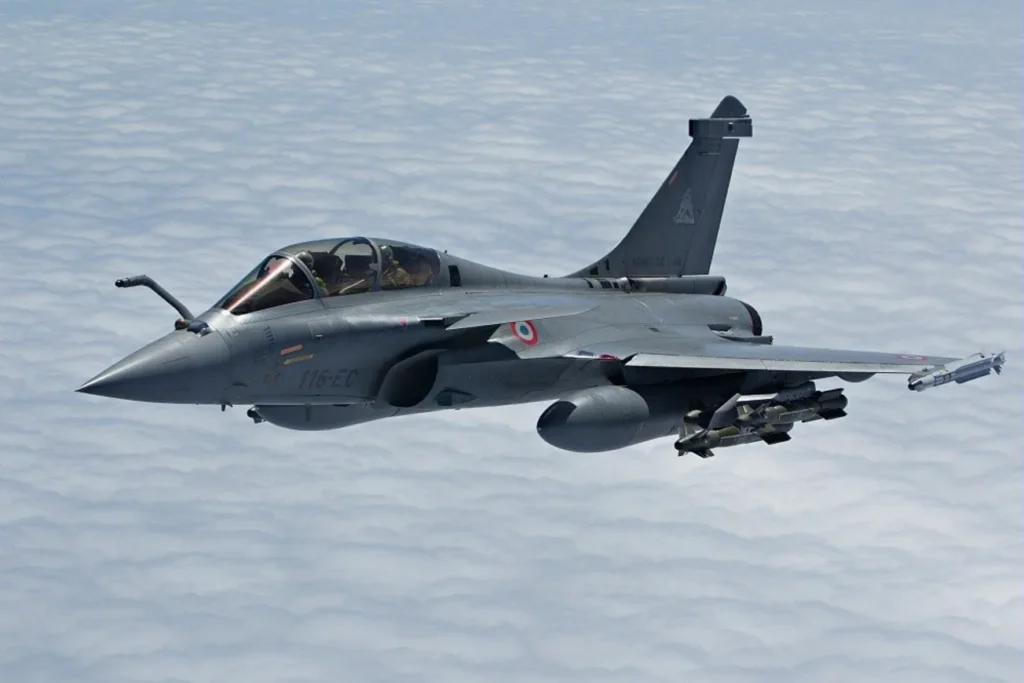
India’s planned acquisition of 114 Rafale fighters has entered a decisive new phase after France formally submitted its technical and commercial proposal, taking one of the world’s largest combat aircraft programmes from preliminary negotiations into detailed evaluation.
The proposal, submitted by Dassault Aviation in response to India’s Letter of Request (LoR) issued in May, will now be examined by the Indian Air Force and the Ministry of Defence before negotiations move towards an Intergovernmental Agreement, according to sources at India’s Ministry of Defence.
The development comes weeks after discussions between New Delhi and Paris centred on software sovereignty, technology transfer and local manufacturing, issues that have become central to India’s largest fighter procurement in decades.
As Aerospace Global News reported earlier, India has been seeking greater operational sovereignty over the Rafale fleet, including wider access to software and mission systems that would allow the integration of indigenous weapons and future upgrades without depending entirely on the original manufacturer.
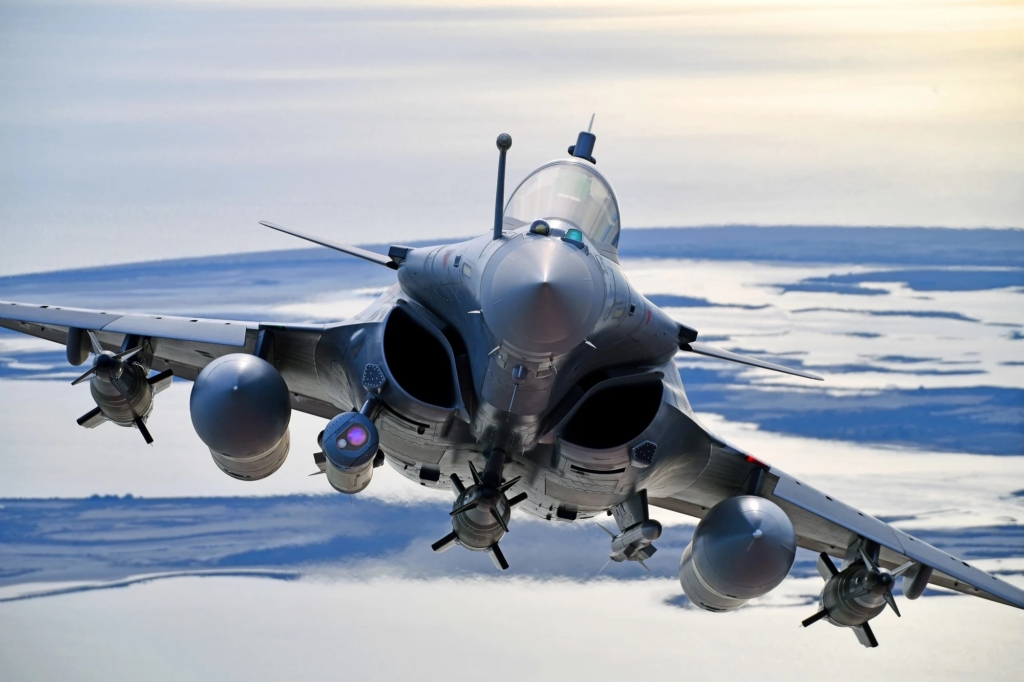
The submission of France’s formal proposal signals that the programme is moving beyond those preliminary discussions into a more detailed assessment of capability, industrial participation and commercial terms.
How many Rafale fighter jets would be built in India?
While the financial and technical details remain confidential, defence ministry sources said the French proposal places significant emphasis on manufacturing the aircraft in India.
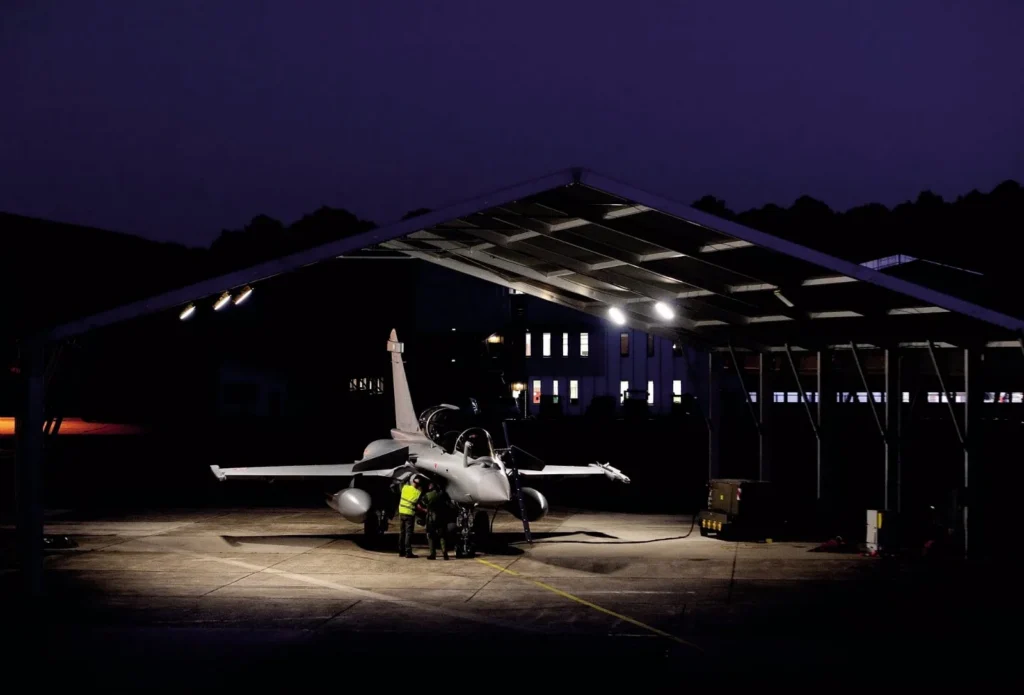
According to sources, Dassault has proposed delivering the first 18 aircraft in fly-away condition, with the remaining 96 assembled in India through an industrial partnership with Indian companies.
The localisation plan is also expected to increase indigenous content progressively over the life of the programme, rising from around 30% initially to more than 60% as domestic production matures.
The proposal is also understood to include broad technology transfer covering the airframe, engines and avionics, with French companies including Safran and Thales expected to play key roles in supporting local production and industrial capability, according to defence ministry sources.
Another element under consideration is the establishment of a maintenance, repair and overhaul facility in Hyderabad for Safran’s M88 engine, which powers the Rafale. If approved, the facility would provide long-term support for the expanding Indian fleet while strengthening India’s aerospace maintenance capability.
Which Rafale configuration does India want?
The Indian Air Force is also seeking the most advanced version of the aircraft available during the programme’s delivery timeline.
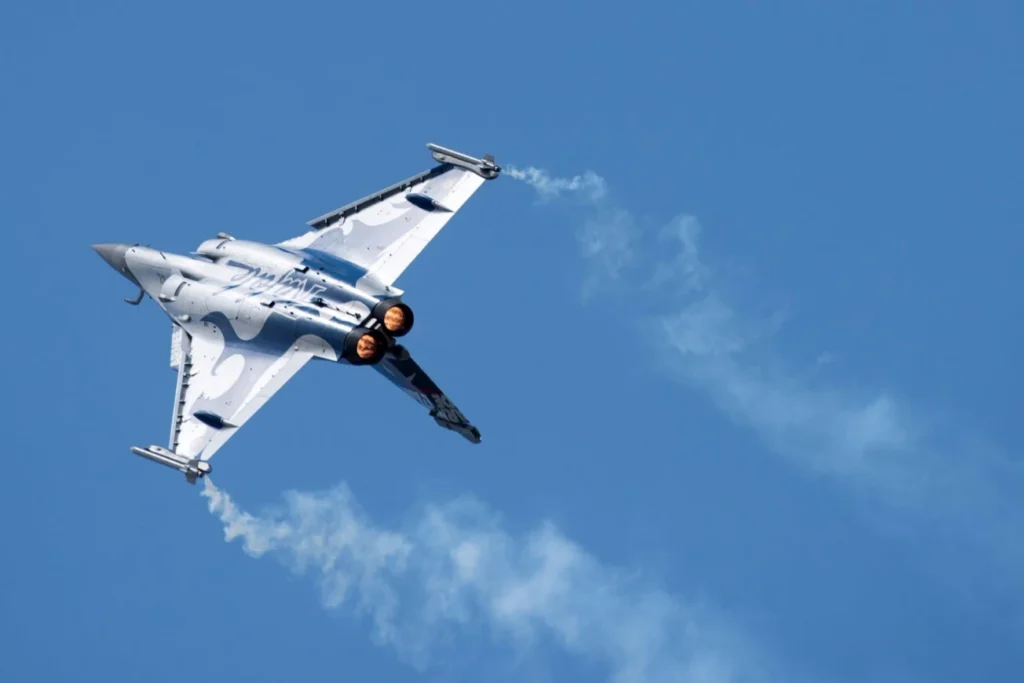
Defence ministry sources cited by some Indian media said New Delhi has requested the Rafale F4 standard together with a roadmap towards the future F5 configuration. These standards are expected to introduce improvements in sensors, electronic warfare, connectivity and pilot assistance, ensuring the aircraft remains operationally relevant well into the coming decades.
The proposal is also understood to accommodate the integration of Indian-developed weapons and secure data links, allowing the aircraft to operate more closely with indigenous command-and-control networks and future air combat systems.
How India-France defence ties are shaping the Rafale deal
The submission follows a year of intensified defence engagement between India and France.

During Prime Minister Narendra Modi’s visit to France in June, he and French President Emmanuel Macron elevated bilateral relations to a Special Global Strategic Partnership, reaffirming plans to deepen cooperation through the co-design, co-development and co-production of advanced defence technologies.
Earlier in June, Indian Air Force Chief Air Chief Marshal A.P. Singh visited France, where he met his counterpart, General Jerome Bellanger, and senior executives from Dassault Aviation, Thales, Safran and MBDA, the companies responsible for many of the Rafale’s principal systems.
Those engagements reflected the growing industrial dimension of the programme, which extends well beyond the aircraft itself to include manufacturing, sustainment and long-term technology cooperation.
Why the Indian Air Force wants 114 additional Rafales
The proposed acquisition remains one of the Indian Air Force’s highest procurement priorities as it seeks to rebuild fighter squadron strength while indigenous programmes continue to mature.
India currently operates 36 Rafales across two frontline squadrons based at Ambala and Hasimara. If the new programme proceeds as planned, the Indian Air Force Rafale fleet would eventually increase to 150 aircraft, while the Indian Navy is already set to receive 26 Rafale Marine fighters under a separate agreement.
The additional aircraft are expected to help bridge capability requirements until the Tejas Mk2 and the Advanced Medium Combat Aircraft (AMCA) enter operational service later in the next decade.
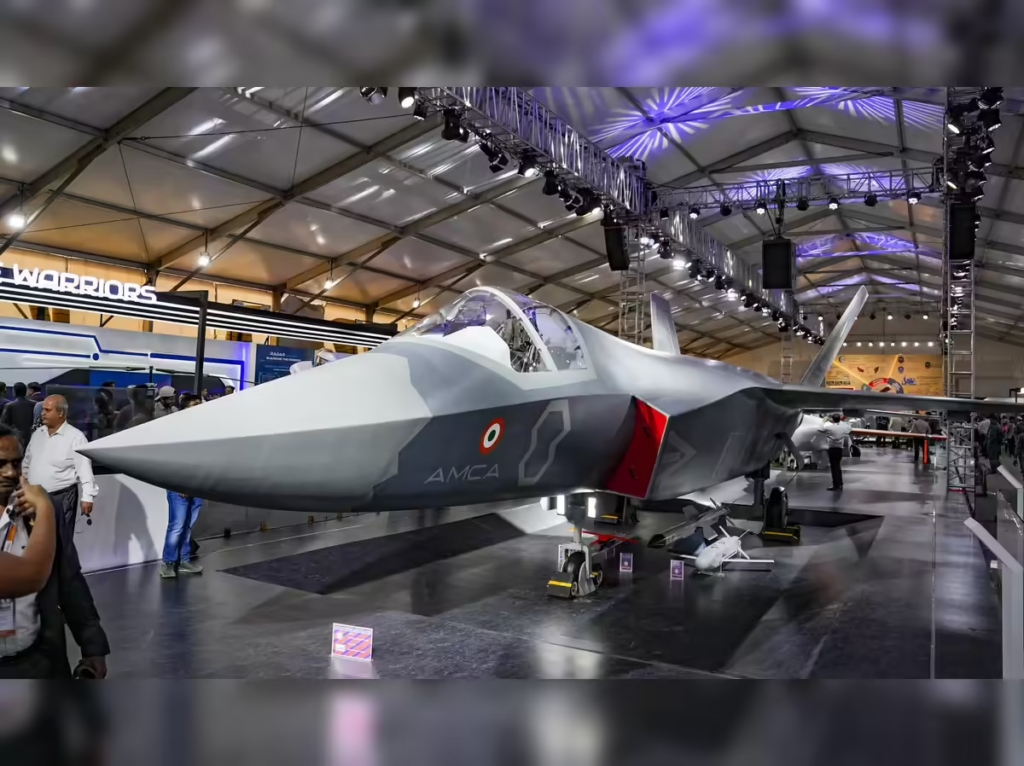
France’s proposal does not mark the end of the procurement process, but it represents one of its most significant milestones. The focus now shifts to a detailed technical and commercial evaluation by Indian authorities, a process that will determine whether the programme advances to final negotiations and, ultimately, government approval.