







Ireland’s Land Use Conundrum: A Nation Grapples with Competing Demands for a Finite Resource
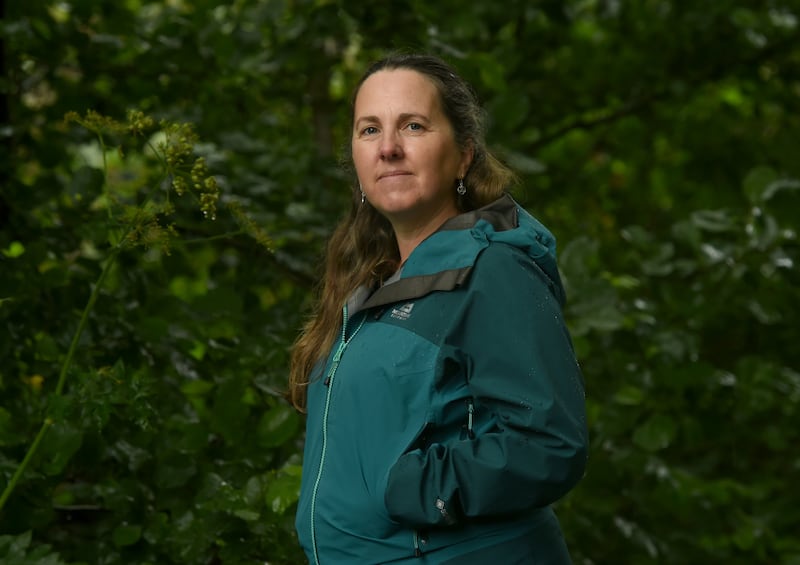
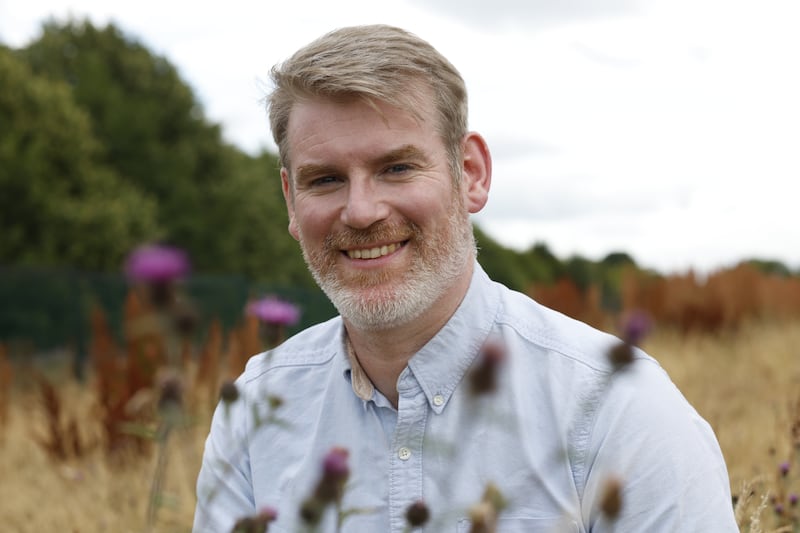
Marina Conway, head of woodland for the nature restoration charity Hometree, faces a uniquely Irish predicament: 19.5 acres of inherited land in her great-grandmother’s Mayo-Sligo border home place. Despite her professional expertise in nature restoration, she finds herself “overwhelmed” by the decision of how to best utilise the land. Once grazed, now semi-wild and roamed by deer, it presents challenges for planting and is unsuitable for commercial forestry, limiting government support options. While she could sell, lease, or even await potential development, Conway’s core desire is for the land to serve the common good.
Conway’s personal dilemma mirrors a far grander challenge facing the Republic of Ireland. Deciding the fate of 7.8 hectares is complex enough; now consider the monumental task of devising a “best-use” plan for the entire 7.1 million hectares that constitute the nation. This very exercise was initiated in 2021 with the government’s Land Use Review, which recently published its latest report, drawing a stark conclusion: Ireland has made poor land use decisions.
The 600-page report highlights that agriculture dominates, consuming 74% of the country’s land, with 4.4 million hectares dedicated to cultivated grassland for livestock. While not inherently problematic, this singular focus on agriculture, predominantly for export, is hindering critical national objectives. It is the primary polluter of waterways, with half failing environmental standards. Agriculture accounts for 38% of national emissions and is the leading pressure on natural habitats, 90% of which are in poor condition.
Economically, the agricultural sector’s viability is also under scrutiny. The Land Use Review reveals that a significant portion of Ireland’s 135,000 farms generated annual incomes of only €2,600-€4,500 in 2022. Of the remaining 88,000 surveyed in 2025, only 54% were deemed “viable,” meaning they could support a household at least equivalent to the national minimum wage.
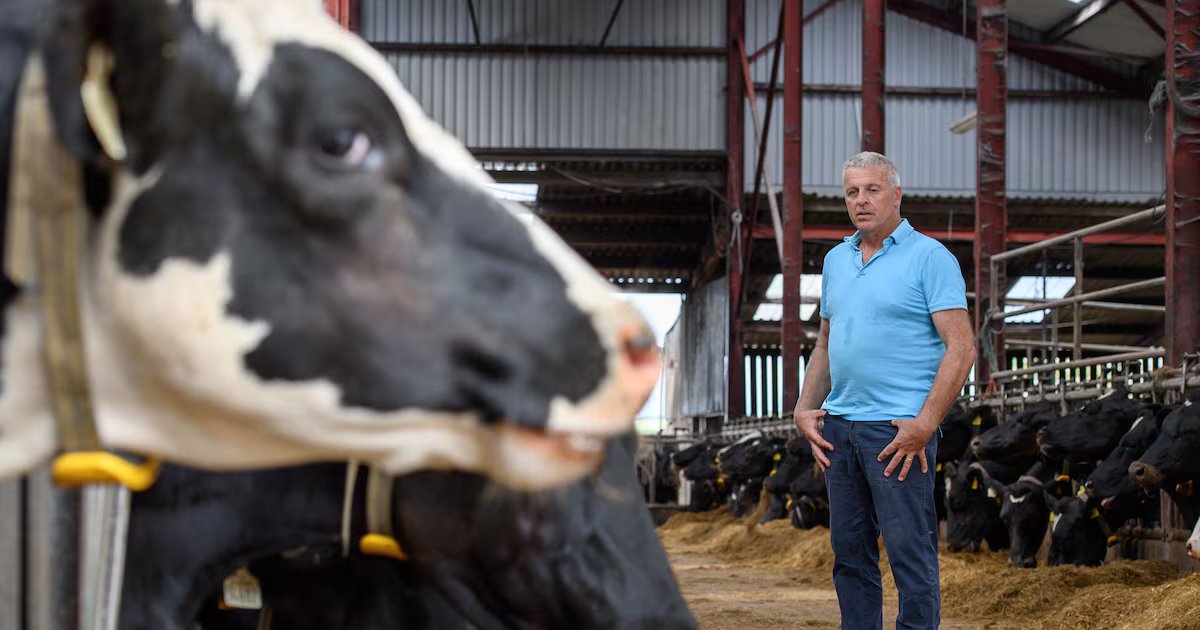
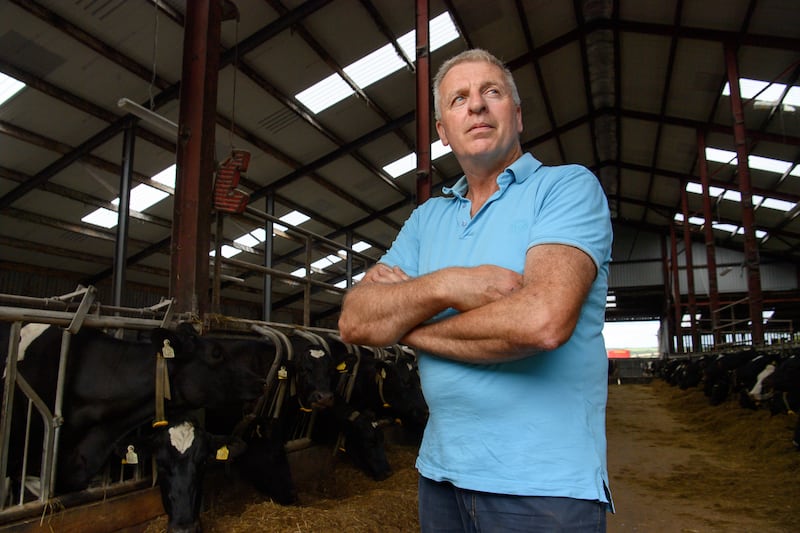
John Murphy, chairman of the Irish Farmers Association’s environment committee and a dairy farmer in Cork, challenges these metrics. “You can say a farmer doesn’t make a lot of money, but he puts a lot of money in circulation within his local community,” Murphy argues. He stresses the integral role of farmers in the social fabric of rural communities, cautioning against quick solutions like replacing livestock with trees, which he believes would lead to community decline.
The Land Use Review not only critiques current agricultural practices but also highlights a “giant-sized mathematical puzzle” of conflicting government policies. Ireland aims for increased tillage, expanded forestry, more wind and solar farms, a nascent biomethane industry, and a significant increase in rural housing. Cumulatively, these ambitions require an astonishing 336,400 hectares of land by 2030, equivalent to counties Dublin, Wicklow, and half of Louth. Policies extending to 2050 demand an additional 400,000 hectares for forestry alone. With the existing land bank largely consumed by farming, logic dictates a reduction in grassland and livestock numbers – a suggestion met with “political dynamite.”
Despite the review’s insistence that “business as usual is not an option,” the government’s official statement disclaimed it as “not an articulation of Government policy or a new strategy.” This cautious approach leaves many skeptical. Dermot Houlihan, chairman of the Association of Irish Forestry Consultants, doubts the feasibility of achieving forestry targets, citing farmers’ frustration with bureaucratic hurdles and public resistance to even broadleaf planting. “People see grassland as a natural native vegetation and want the open field kept,” Houlihan notes, adding that this perception ignores the artificial nature of much of Ireland’s agricultural landscape.
Similar challenges plague other renewable energy goals. The target of 200 anaerobic digesters by 2030, requiring 130,000 hectares for energy crops, is far from being met, with only about 20 in operation. Farmers, Murphy observes, will not commit land without attractive incentives. Solar power, however, presents a different dynamic. Brian Keville, managing director of MKO planning consultants, argues that sacrificing agricultural land for renewable energy does not threaten food security, given Ireland’s significant agricultural exports. He asserts that enough landowners are commercially motivated to secure the 15,000 hectares for wind and 14,000 hectares for solar required by 2030.

The escalating price of agricultural land, driven by competing interests and scarcity, further complicates the situation. Frank Harrington, a real estate lecturer at Technological University Dublin, notes that this upward trend impacts production costs and food prices. Marina Conway emphasizes the need for a shift from a “productivity versus environment mindset” to one where both are on “equal footing,” requiring equal incentives for sustainable land use.
Fintan Kelly, senior land use officer with the Irish Environmental Network, expresses disappointment that the review, while acknowledging the failings of current land management, shies away from radical solutions. He notes that only one of the four alternative land use models proposed envisages a significant reduction in cattle numbers, raising concerns that smaller, lower-income beef farmers might bear the brunt of change while the more profitable dairy sector remains largely untouched. For Kelly, a new father, the urgency of addressing climate change and its impact on future generations is paramount, asserting that “we need to reduce emissions, and that means changing land use.”
While John Murphy acknowledges that a future generation of farmers may choose different paths for their land, the findings of the Land Use Review unequivocally signal that Ireland must confront its complex land use jigsaw and be prepared to write a new, more sustainable narrative for its future.