









Bangladesh Urges ‘Conducive Environment’ for India Ties Amidst Hasina’s Exile

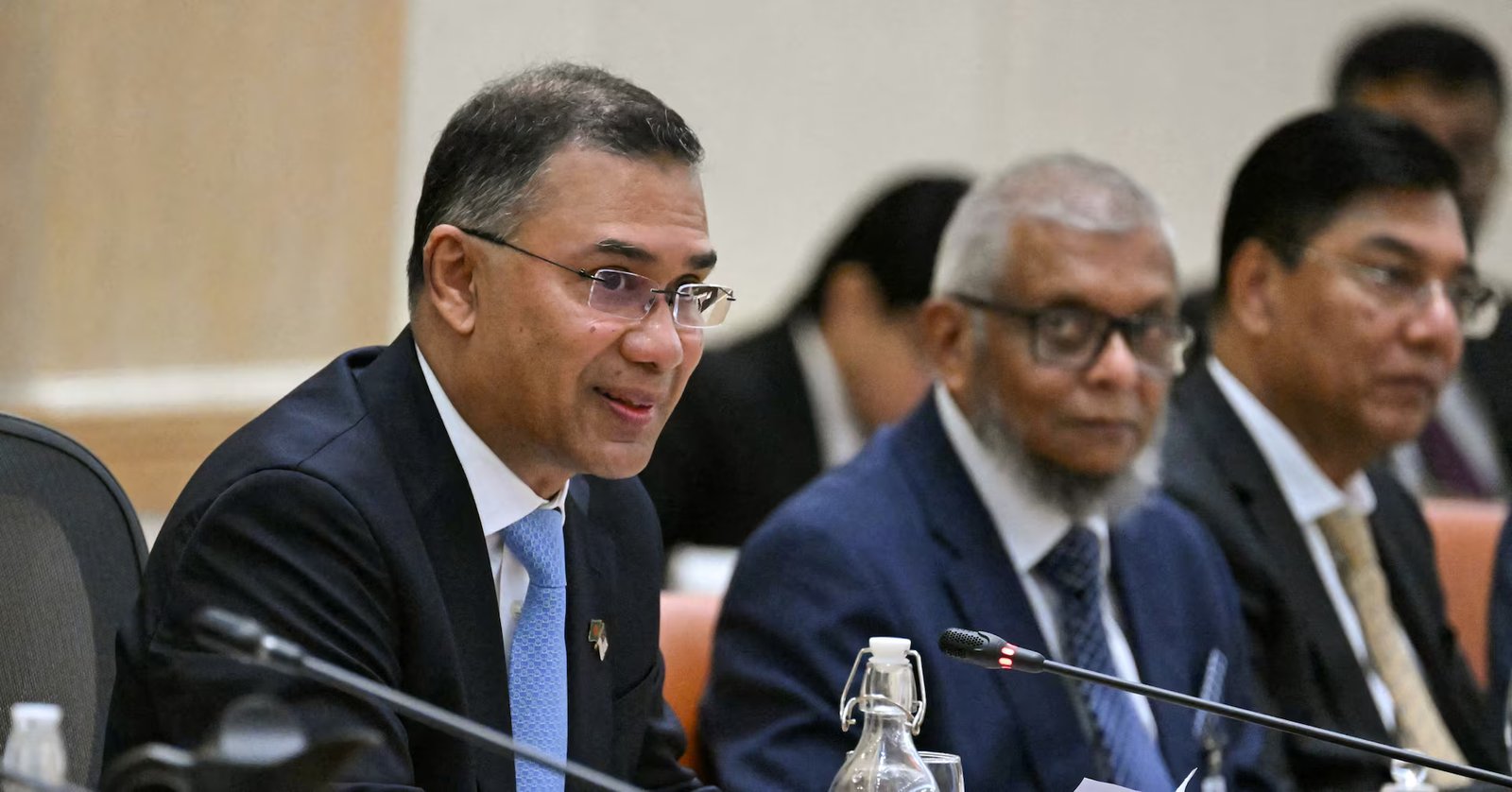
Bangladesh Prime Minister Tarique Rahman on Monday underscored the critical need for a “conducive environment” to foster stronger ties with neighboring India. His remarks were delivered to India’s envoy in Dhaka and come amidst persistent pressure from Bangladesh regarding the politically charged issue of ousted Prime Minister Sheikh Hasina’s continued exile in India.
The meeting, held in Dhaka, signifies a renewed diplomatic push by the Rahman administration to address underlying tensions that have complicated bilateral relations. While specific details of the discussions were not immediately released, sources close to the Prime Minister’s office indicated that the issue of Sheikh Hasina’s presence in India remains a significant point of contention for Dhaka.
Sheikh Hasina, a prominent figure in Bangladeshi politics and a former Prime Minister, sought refuge in India following a period of intense political upheaval in Bangladesh. Her exile has been a recurring theme in diplomatic exchanges between the two nations, with Bangladesh consistently expressing its desire for her return or at least a resolution that addresses its sovereign concerns.
Navigating a Complex Diplomatic Landscape
Prime Minister Rahman’s call for a “conducive environment” suggests a desire to move beyond specific points of friction and establish a broader framework for cooperation. Analysts believe this implies an expectation that India will take steps to acknowledge Bangladesh’s concerns regarding Hasina, thereby easing a major obstacle to warmer relations. “Creating a conducive environment isn’t just about economic partnerships or border security,” explains Dr. Aisha Khan, a South Asian foreign policy expert, “it’s about building trust, and in this context, the Hasina issue is a significant trust deficit for Bangladesh.”
The relationship between Bangladesh and India, while historically strong, has experienced periods of strain. India is Bangladesh’s largest trading partner and a crucial regional ally, particularly on matters of security and connectivity. However, issues ranging from water sharing disputes to border management, and more recently, the question of political exiles, have periodically tested the strength of this bond.
The Political Implications of Exile
The presence of Sheikh Hasina in India is more than just a humanitarian concern for Bangladesh; it carries significant political weight. From Dhaka’s perspective, her continued exile in a neighboring country can be perceived as an external factor potentially influencing internal politics, even if indirectly. This perception is particularly sensitive given Bangladesh’s tumultuous political history.
The Indian government has, to date, maintained a cautious stance on the matter, often citing humanitarian principles and its domestic laws regarding asylum. However, diplomatic observers note that New Delhi is also acutely aware of the strategic importance of its relationship with Bangladesh and the potential for long-term implications if such issues are left unaddressed.
Looking Ahead: Pathways to Resolution?
Prime Minister Rahman’s diplomatic overture signals a desire for constructive dialogue, but also highlights the persistent nature of the Hasina issue. Moving forward, the onus will likely be on both nations to find common ground. This could involve exploring various diplomatic avenues, potentially including guarantees or assurances that address Bangladesh’s concerns while respecting India’s sovereign principles.
The call for a “conducive environment” serves as a reminder that robust bilateral ties are not solely built on economic or strategic interests, but also on mutual understanding, respect for each other’s sensitivities, and a willingness to collaboratively resolve complex issues. How India responds to this latest appeal from Dhaka will undoubtedly shape the trajectory of this vital South Asian relationship in the coming months.