Earlier this week (26 March) the committee published the second part of its new towns inquiry, titled New Towns: Creating Communities, which makes recommendation to the government on how to ensure that good placemaking and design is an integral part in the massive nationwide project.
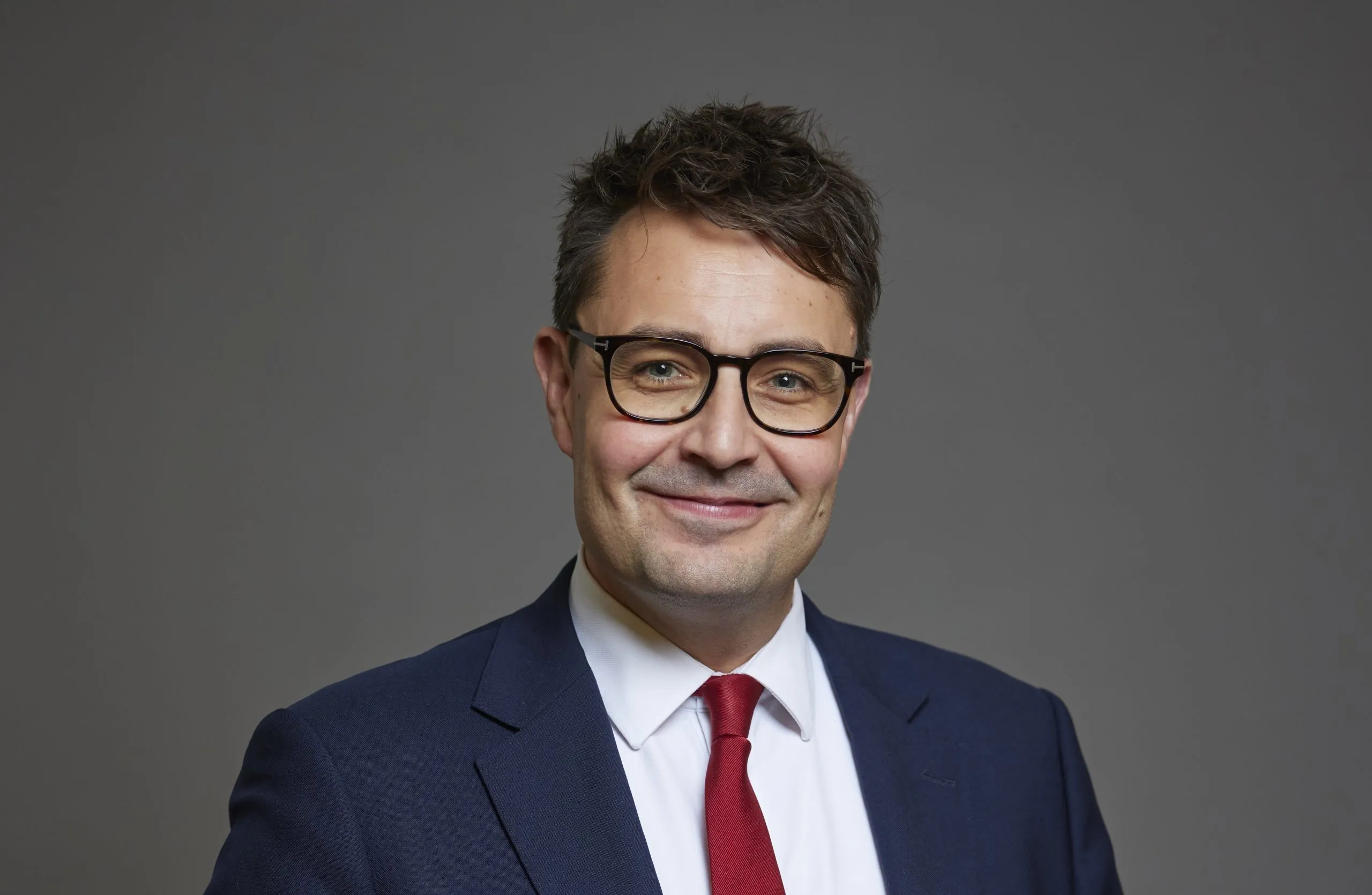
Ben Gascoigne, chairman of the Built Environment Select Committee
AJ: How important are architects in the creation of new towns?
Ben Gascoigne: Architecture matters. [This] report is about the importance of good design and the kind of buildings people will see and experience.
When we’re talking about new towns we’re talking about design at a massive scale, and for us its an opportunity. It shouldn’t just be about housing for housing’s sake, it should be about communities and the experience that people will have when they arrive.
We want them to be places people enjoy where they bring up families and want to remain. This is all achieved through good design.
For each new town, we have the ability to break down the whole site into much smaller plots so that we can bring in SME architects into the process. This is important because fundamentally, if they are to succeed, the purpose has to be more than just housing.
What is the best way to make the argument for good design in a difficult economic environment where good placemaking might not always be top of the agenda?
We touched on this in our first report (Laying the Foundations) last year, that a key part of the success of the entire programme is that the government’s got to grip it, lead it, and drive it from Whitehall.
At the same time, design needs to reflect local views. My personal belief is that we’ve got to start to articulate and familiarise ourselves with what it is we’re seeking to do with these new towns.
To secure the investment that some of these sites will need, we need to be very clear from the outset about why these new towns matter, because the government cannot delivery everything.
You’ve got to take a step back, if we want to do this, it’s got to be driven from the centre, but also making it very clear that the private sector will need to be involved, and we need to give them confidence in our vision and that this is something we really want to do.
What are the risks of the government deciding not to create a centralised planning agency with a dedicated cabinet position to manage the design and development of new towns?
If I was playing devil’s advocate, the government will say that they have a task force which has set forward various recommendations, and a New Towns Unit within the Housing Ministry, and that this is the best way of doing it.
With this report we set out our view that it needs to be much more driven from an individual.
The previous attempts at building new towns has involved a commission established to drive the project from the start. Although we have had very good conversations with the Secretary of State, he is not the only person involved in this [current drive].
The project requires the treasury, it requires health, it requires education, it requires multiple government departments, and even for the housing minister, this is just one of multiple priorities in his job description.
In addition, there obviously needs to be a local element involved in the process, so I really think that there needs to be someone that’s really driving it and able to coordinate all the departments and different moving parts.
Where would you point to as an example of good design those working on new towns should try take inspiration from?
A couple of us went to Copenhagen last year to see the docklands and they have done an amazing job. The work there has been unbelievably ambitious, in using the existing infrastructure and buildings, and they have actually delivered.
We’ve tried not to focus too much on the past. We’ve heard people speaking passionately for, and expressing concerns about, new towns, but we’ve not spent too long writing an essay on what has or hasn’t worked – that’s already been done.
But if you look at Milton Keynes for example, you see that the key thing in the places that have worked is [they] have a life of their own and are able to adapt.
Where will the new towns be in 50, 60 years? That’s what we are trying to talk about.
Are you optimistic about the success of the new towns project?
I’m hopeful that this programme happens. This is in the national interest, that is why we believe it really needs to be part of the sort of national psyche, and we’ve got to argue for it.
But equally, what I hope doesn’t happen is that [only] a half-hearted attempt is delivered. Because that is not in anyone’s interest.
We want to see a much more optimistic and a much more engaging vision of why this programme matters.