Europeans are set to pay a ‘geopolitical premium’ of an extra €150 mn a day as oil prices pass $100 a barrel, new research by T&E into fuel price premiums[1] in 2022 show. Europe will pay a high price for its dependence on imported oil, warns T&E, which calls for long-term rather than short-term measures to liberate Europe from the volatility of geopolitical shocks.
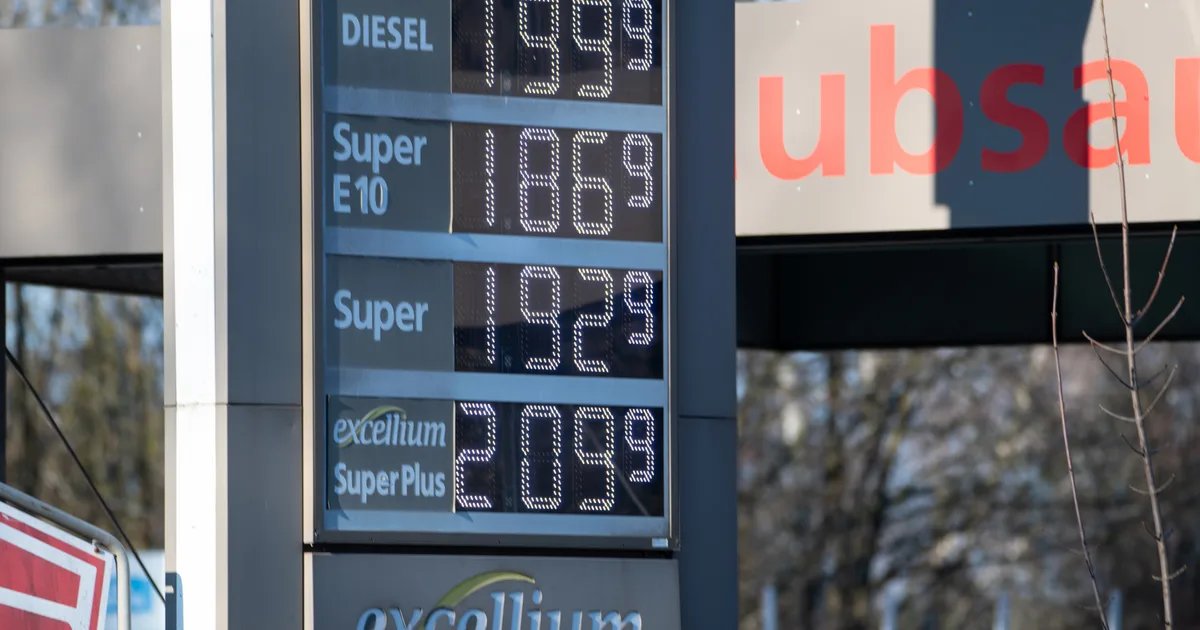
In 2022, the last time oil prices passed $100 barrel, Europeans spent an additional €55bn at the pumps. Across the EU, by mid-2022, diesel prices were up 45% and petrol increased by 36%. Towards the end of June 2022, petrol and diesel prices at the pump exceeded €2 per litre meaning drivers were spending €24 to €31 more to fill up a 50 litre engine than they were pre-crisis.
Antony Froggatt, senior director at T&E, said: Europe’s oil dependency creates a geopolitical premium whenever there is global volatility. This will continue to cripple Europe’s economy and put pressure on households, unless we structurally end our reliance on imported fossil fuels. Donald Trump and his friends in Russia and Saudi Arabia have a lot of power, but one thing they don’t control is the wind and sun. Europe must now prioritise EVs, heat pumps and renewable energy to ensure this never happens again.”
The additional €55bn in 2022 came despite EU governments forfeiting €30bn in fuel duty cuts – a subsidy essentially paid for by taxpayers. These measures reduced prices for consumers in the short-term, but they failed to structurally decrease reliance on oil and shield our economy from future price shocks, says T&E.
Europe’s 7.7 million electric cars have cut Europe’s oil consumption already by 126,000 barrels a day. At 2022 fuel prices, European drivers with an EV would save around €39 million daily.
The European Commission estimates that in 2022, the total subsidy to fossil fuels increased to €136 billion, of which €107 billion went to oil and gas consumers. More than half was spent as a direct response to the energy price crisis. €136 billion could have replaced 5.4 million cars with affordable EVs (€25,000) which would have reduced the EU’s oil dependency by 70,000 barrels of crude oil a day and saved the continent $2.5 billion a year in oil imports[2].
Higher world market prices mean more profits for the fossil fuel sector. EU oil and gas companies earned about €104 billion in profits in 2022, a 45% increase compared to 2021. In 2022 and 2023, the EU energy windfall profits regulation was in place to try and claw back some of the excessive profits. This has now lapsed and the EU should be prepared to rapidly re-introduce it in the event of longer-term higher energy prices, says T&E.
“Reducing the amount of oil and gas we import is a win-win. It improves economic security, reduces geopolitical uncertainties and decreases our climate impact. Rolling back on policies and measures to achieve climate targets, such as the 2035 phase out of fossil fuel cars or delaying the implementation of the EU’s carbon price on heating and fuels, will only make us less secure,” concludes Antony Froggatt.
ENDS
Note to editors
[1] We define the ‘geopolitical premium’ as the difference in fuel prices at the pump between 2022 and the 2017-2019 period, used as a reference for pre-crisis oil prices, when crude oil averaged $63 per barrel.
[2] Assuming oil prices are $100 a barrel.