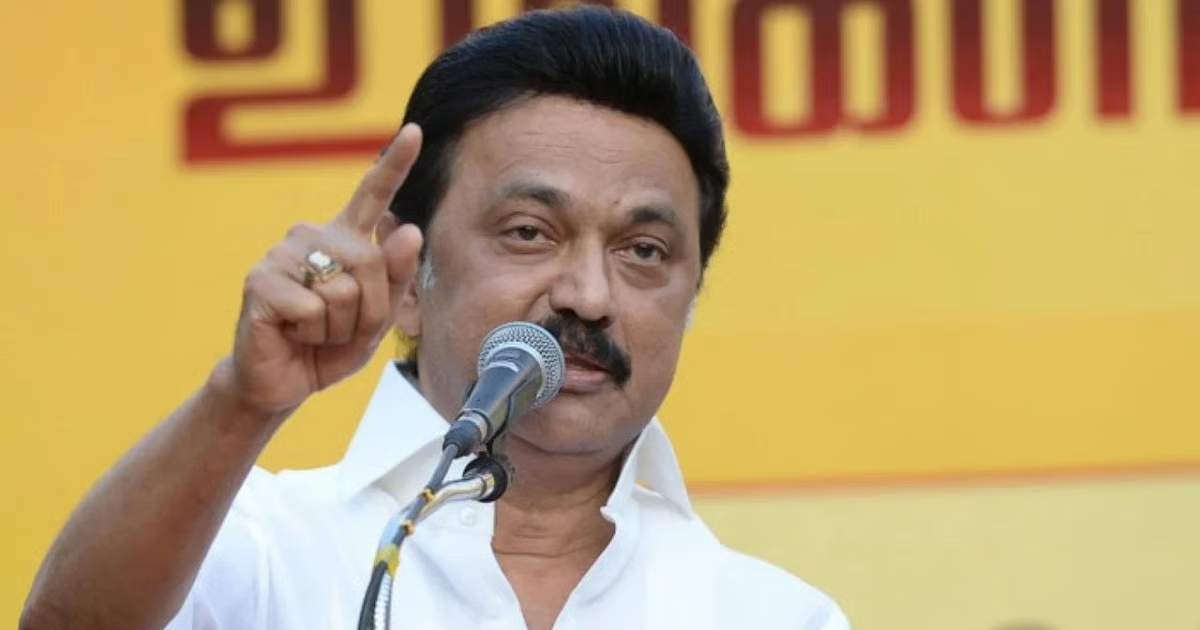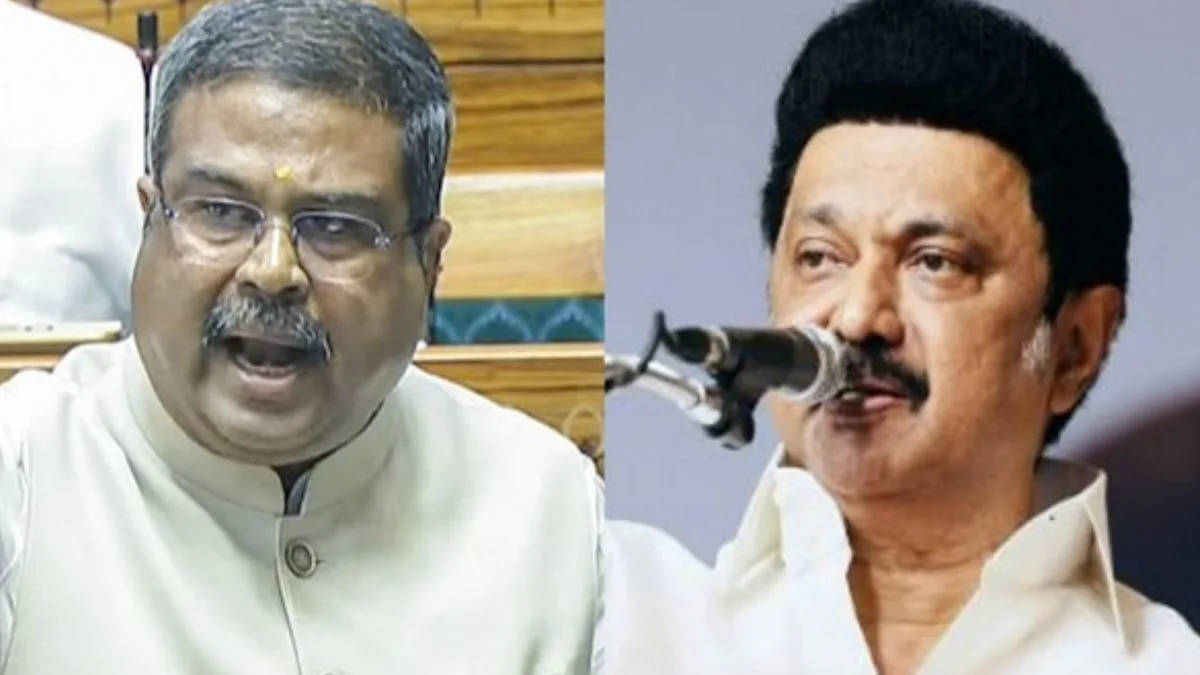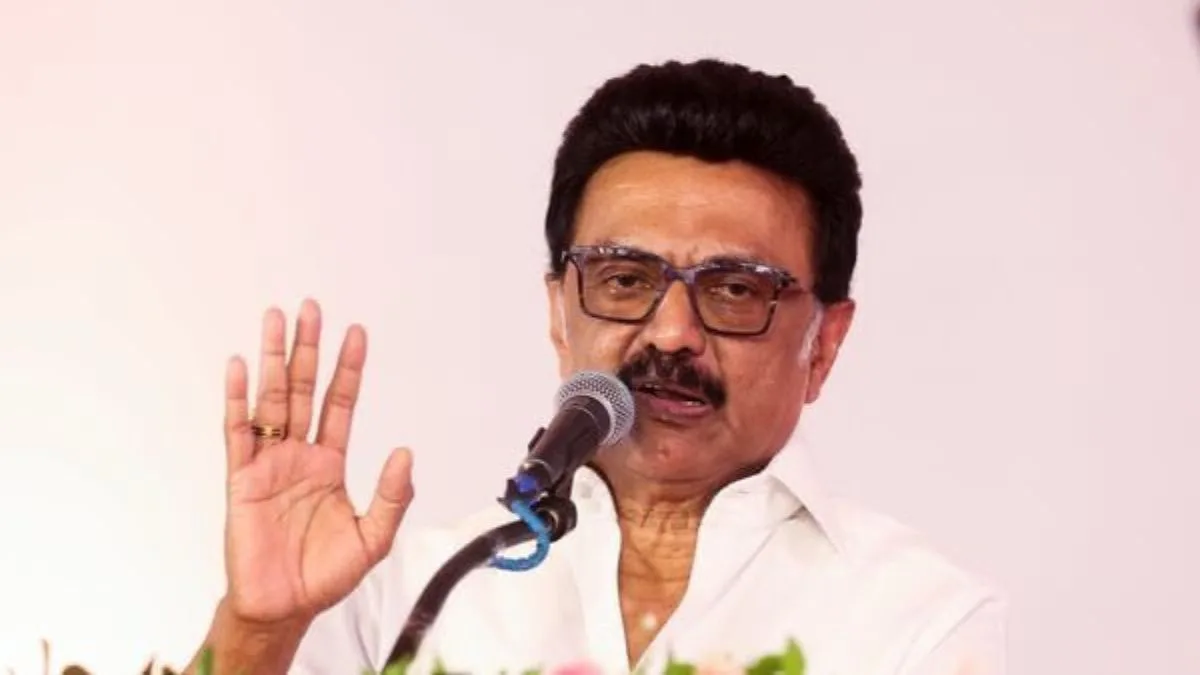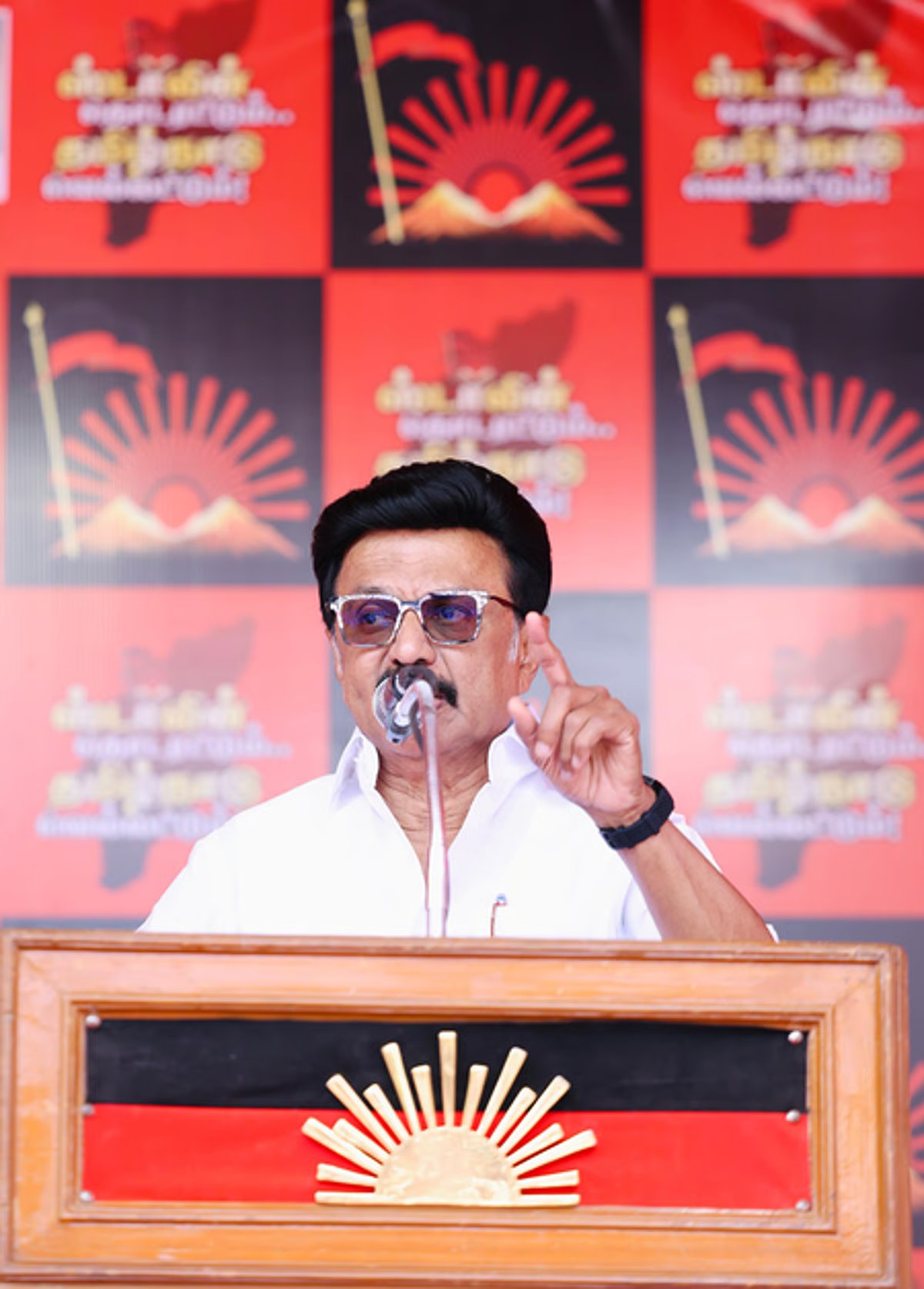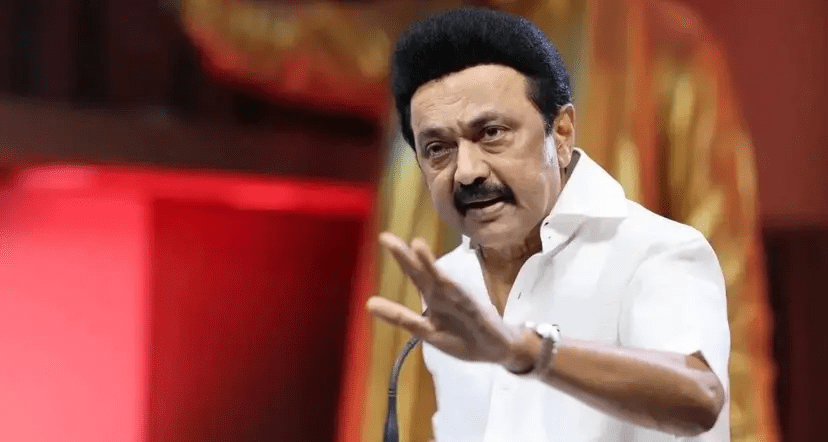

Tamil Nadu Chief Minister M. K. Stalin on Saturday criticised the CBSE’s newly introduced curriculum framework, alleging that the three-language formula is a “covert mechanism” to promote Hindi in non-Hindi-speaking states.
Stalin, who also leads the Dravida Munnetra Kazhagam (DMK) , said the framework, aligned with the National Education Policy (NEP) 2020, goes beyond academic reform and reflects a long-standing concern over linguistic imposition.
He accused the BJP-led NDA government of advancing a centralising agenda under the guise of promoting “Indian languages,” arguing that it disproportionately favours Hindi while undermining linguistic diversity.
“The so-called three-language formula is, in reality, a covert mechanism to expand Hindi into non-Hindi-speaking regions,” Stalin said, adding that for students in southern states, it effectively amounts to compulsory Hindi learning.
Raising questions about fairness, Stalin asked whether students in Hindi-speaking states would similarly be required to learn southern or other regional languages such as Tamil, Telugu, Kannada, Malayalam, Bengali, or Marathi.
The absence of such reciprocity, he said, exposes the “one-sided and discriminatory nature” of the policy.
He also criticised the Centre for what he described as a contradiction in its approach, noting that Tamil has not been made mandatory in Kendriya Vidyalaya schools and that there remains a shortage of Tamil teachers.
“This is not commitment, this is rank hypocrisy,” he said.
Stalin further questioned the feasibility of implementing the framework, citing concerns over the availability of trained teachers, infrastructure, and funding.
“Where are the qualified teachers to implement this? And where is the funding to support this enormous burden?” he asked, calling the policy “ill-conceived” and lacking planning and accountability.
He warned that privileging Hindi-speaking students could create structural advantages in higher education and employment, thereby widening regional disparities.
Instead, he argued, the focus should be on equipping students with skills in emerging sectors such as artificial intelligence and strengthening scientific temper and critical thinking.
Calling the move an affront to cooperative federalism, Stalin said it disregards the concerns of Tamil Nadu and other states and threatens India’s linguistic diversity.
“India’s strength lies in its diversity, not enforced uniformity. Such policies strike at the foundation of our pluralistic nation and will be firmly opposed,” he said.
Stalin also questioned the stance of the All India Anna Dravida Munnetra Kazhagam and its NDA allies in Tamil Nadu, asking whether they would oppose what he termed linguistic imposition or support the Centre’s policy.
“Will they, for once, stand up for the rights, identity, and future of our students?,” he asked.
DMK MP Kanimozhi also questioned the move, stating, “The CBSE curriculum framework under the National Education Policy 2020 exposes a clear push for Hindi imposition.”
She stated that “the phased three-language formula, with compulsory assessment from 2027–28, places an unnecessary and unfair burden on children,” and called it “a draconian attack by the Union BJP government” on the languages and cultures of non-Hindi states.
“Is the Union government provoking another anti-Hindi agitation across India?,” she asked.